
How to Choose the Right Lighter for Your Everyday Needs
The best lighter for your everyday needs is the one that fits your lifestyle and keeps you safe. Maybe you light candles at home, cook on the grill, smoke, or spend time outdoors. Think about where you use a lighter most, how often you reach for it, and what you need it to do. Many people forget the way choose lighter matters—using it safely, holding it right, and keeping it clean can help you avoid burns and keep everyone protected.
Key Takeaways
Identify your main use for a lighter, whether it’s for candles, grilling, or outdoor activities. This helps you choose the right type.
Consider the location where you’ll use the lighter. Windproof and waterproof designs are best for outdoor use.
Match the lighter’s features to your needs. Look for safety features, durability, and ease of use.
Think about your budget. Investing in a quality lighter can save you money in the long run.
Always prioritize safety. Choose lighters with child-resistant features and reliable flame control.
The Way Choose Lighter for Your Needs
Identify Your Use Case
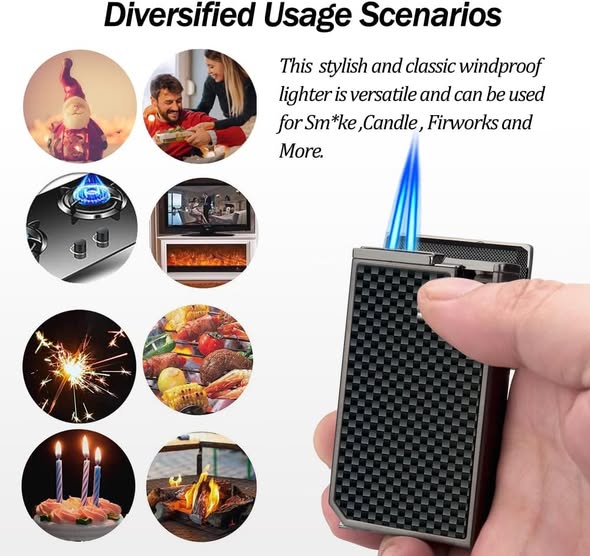
You probably reach for a lighter more often than you think. The way choose lighter starts with knowing what you need it for. Do you light candles at home, fire up the grill, smoke, or spend time outdoors? Each activity calls for a different kind of lighter. Take a look at the most common use cases:
Use Case | Description |
|---|---|
Lighting Cigarettes | Many people use lighters for smoking, especially in areas where smoking is common. |
Igniting Candles | Lighters help set the mood at home or during celebrations. |
Starting Campfires | Outdoor lovers need lighters for camping and hiking. |
Recreational Activities | Lighters are handy for survival and outdoor fun. |
Think about your main reason for using a lighter. If you light candles every night, you need something safe and easy to use. If you go camping, you want a lighter that works in the wind and rain. The way choose lighter depends on your habits and lifestyle.
Consider Location and Frequency
Where you use your lighter matters a lot. The way choose lighter changes if you use it indoors or outdoors. Indoors, you want something safe and reliable. Outdoors, you need a lighter that can handle wind and weather. Here are some things to keep in mind:
Windproof design helps when you are outside.
Waterproof lighters work better in rain or snow.
Strong materials make your lighter last longer.
If you use a lighter every day, pick one that feels good in your hand and lasts a long time. If you only use it sometimes, a simple disposable lighter might do the trick. The way choose lighter also depends on how often you need it. Daily use means you want something sturdy and refillable. Occasional use means you can go for something basic.
Tip: If you spend time outdoors, look for a lighter with a windproof or waterproof design. It will save you a lot of trouble when the weather turns bad.
Purpose and Functionality
Not all lighters work the same way. The way choose lighter also depends on what you want it to do. Some lighters are better for candles, while others are made for grills or cigars. Check out this table to see which lighter fits your needs:
Lighter Type | Key Features | Best For |
|---|---|---|
Electric Lighters | Flameless, easy to use, quick recharge, windproof | Lighting candles |
Strong flame, adjustable size, refillable, durable | Outdoor use, cigars | |
Kerosene Lighters | Windproof, refillable, collectible designs | Outdoor use, collectors |
Candle lighters often have a long nozzle. This helps you reach tricky wicks without burning your fingers. Some have straight nozzles, while others curve for better reach. If you need a lighter for grilling, look for one with a strong, adjustable flame. For smoking, a simple pocket lighter or a torch lighter works well.
The way choose lighter comes down to matching the lighter’s features to your main purpose. Think about what you need most—safety, strength, or style—and pick the lighter that checks those boxes.
Key Factors When Choosing a Lighter
Lighter Types: Disposable, Refillable, Electric, Torch
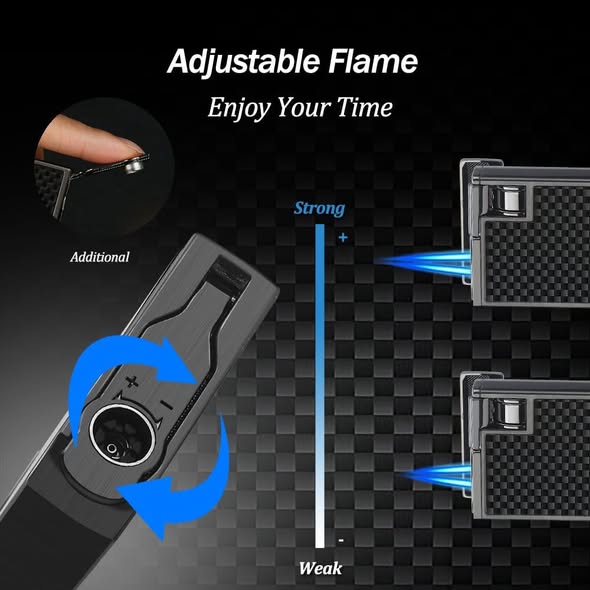
You have a lot of choices when it comes to lighters. Each type has its own design and function. If you want something quick and cheap, disposable lighters are everywhere. You use them once and toss them out. Refillable lighters last longer and let you refill the fuel. Electric lighters use a battery and don’t need a flame. Torch lighters give you a strong, focused flame that works well outside.
Here’s a table to help you compare:
Type of Lighter | Design Features | Functionality |
|---|---|---|
Disposable | Made of plastic, small gas reservoir, single-use. | Cost-effective, widely available, but contributes to environmental waste. |
Refillable | Made with durable materials, can be refilled with lighter fluid or butane. | Eco-friendly, cost-effective over time, versatile for various tasks, available in unique designs. |
Electric | Flameless, rechargeable battery, uses heat or electric arc. | Safe for indoor use, quick ignition, efficient, and works well in windy conditions. |
Torch | Intense, concentrated flames, often butane-powered. | Ideal for outdoor use, ensures even burn for cigars, durable for camping or grilling. |
Most people use disposable lighters because they are cheap and easy to find. In fact, disposable lighters make up about 63% of the market. Refillable lighters are more popular with people who want something that lasts and looks cool.
Tip: If you want a lighter that lasts, go for refillable or electric. You’ll save money and help the environment.
Fuel Options and Flame Types
The fuel you choose affects how your lighter works. Butane lighters have been popular since the 1950s. They burn clean and work well for most tasks. Electric lighters don’t use fuel at all. They use a battery and create heat or an electric arc.
Let’s look at the pros and cons:
Type | Advantages | Disadvantages |
|---|---|---|
Efficient, cleaner burn, durable, affordable | Needs refilling, can run out of fuel | |
Electric Lighter | Lightweight, easy to use, instantly ignites | Needs charging, costs more, not waterproof |
Butane lighters can cause health problems if you use them a lot. You might get headaches or feel sick. Long-term use can even hurt your heart or nerves. Electric lighters are safer, but you need to keep them charged.
Flame type matters too. Torch lighters make a strong jet flame that works in the wind. Soft flame lighters are simple and easy to refill. Here’s a quick look:
Flame Type | Characteristics | Usability Impact |
|---|---|---|
Torch (Jet Flame) | Intense jet flame, great wind resistance | Ideal for outdoor use, quick ignition |
Gas (Soft Flame) | Simple flame mechanism, compact design | Great for everyday use, easy to refill |
If you spend time outside, a torch lighter is your best bet. For home use, a soft flame lighter is easy and safe.
Size, Safety, and Longevity
You want a lighter that fits your hand and keeps you safe. Some lighters are small and easy to carry. Others are bigger and last longer. Safety features matter a lot. Look for lighters that don’t spit or sputter. Good lighters put out the flame fast and don’t get too hot.
Here are some safety features to look for:
Safety Feature | Why It Matters |
|---|---|
Flame Extinguishing Time | Prevents burns and accidents |
Drop Test | Won’t break if you drop it |
Resistance to High Temperature | Stays safe in hot weather |
Flame Height | Keeps flame steady and safe |
How long your lighter lasts depends on the type. Disposable lighters work for 2 to 4 weeks. Refillable lighters can last for years if you take care of them. Electric lighters need charging every few days or weeks.
Lighter Type | Average Lifespan |
|---|---|
Disposable Lighters | 1,000 to 3,000 lights (2 to 4 weeks) |
Refillable Lighters | Many years (depends on fuel replenishment) |
Electric Lighters | Up to 300 lights (recharge every few days to weeks) |
Note: The way choose lighter depends on how long you want it to last and how safe you want it to be.
Budget and Value
Lighters come in all price ranges. You can find simple ones for a few dollars or fancy ones for hundreds. Price often matches durability and features. Cheaper lighters work fine for quick jobs. If you want something that feels good and lasts, you might pay more.
Price Range | Features and Durability |
|---|---|
$30–$50 | Stronger metal bodies, improved wind resistance, refined finishes, suitable for everyday carry. |
$70–$100 | Premium feel, real mechanical satisfaction, long-lasting, pairs well with style. |
$120–$300 | Precision engineering, collectability, unique designs, ideal for special gifts and heirloom potential. |
Tip: Think about how much you want to spend and what features matter most. Sometimes paying a little more means your lighter will last longer and work better.
Decision Steps: The Way to Choose Lighter
Choosing the right lighter can feel tricky, but you can make it simple by following these four steps. This way, you’ll find a lighter that fits your needs and style.
Step 1: Match Use Case to Lighter Type
Start by thinking about what you want to do with your lighter. Are you lighting candles at home, grilling outside, or preparing for emergencies? Each task works best with a certain lighter. For example, electric lighters work well indoors and need no fuel. Butane torch lighters handle wind and weather outdoors. If you like classic designs, a Zippo-style lighter might suit you. Always check if you need a lighter that’s safe for travel, especially if you fly often.
Checklist for Matching:
Define your main use (candles, grill, smoking, camping).
Pick a fuel type that fits your routine.
Look for solid build quality and easy ignition.
Make sure it has safety features, especially if kids are around.
Step 2: Compare Features and Safety
Next, compare the features that matter most. Some lighters have child-resistant locks, which keep little hands safe. Others let you control the flame size or shut off automatically after a few seconds. These features help prevent accidents and give you peace of mind.
Tip: Always test the lighter’s spark and check for safety certifications before buying.
Step 3: Check Durability and Portability
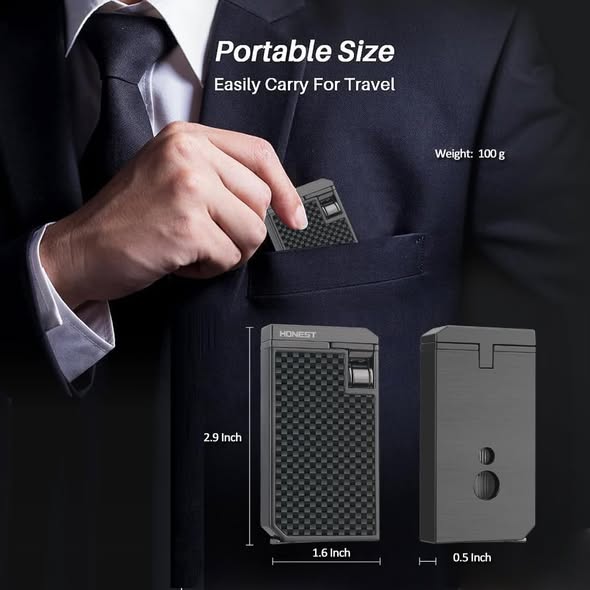
You want a lighter that lasts and is easy to carry. Lighters made from metal or strong woods last longer and feel sturdy. Some use honeycomb cores or modular parts to stay light but tough. If you plan to take your lighter on the go, pick one that feels comfortable in your pocket or bag.
Metal bodies resist fire and damage.
Lightweight woods offer good insulation and durability.
Modular designs make repairs and travel easier.
Step 4: Review Budget and Style
Finally, think about your budget and what style you like. Some people want eco-friendly or sustainable lighters. Others care about trendy looks or smart features. If you want something that matches your fashion or tech interests, you’ll find plenty of options. The way choose lighter often depends on what feels right for you and your wallet.
Remember: Paying a bit more for quality can save you money in the long run.
Quick Decision Flowchart:
Step | Question to Ask Yourself | What to Look For |
|---|---|---|
1 | What will I use the lighter for? | Match use case to lighter type |
2 | Do I need special safety features? | Child lock, flame control |
3 | Will I carry it often? | Durable, lightweight design |
4 | What style and price fit me best? | Eco-friendly, trendy, smart |
Best Lighter Recommendations
For Home and Candles
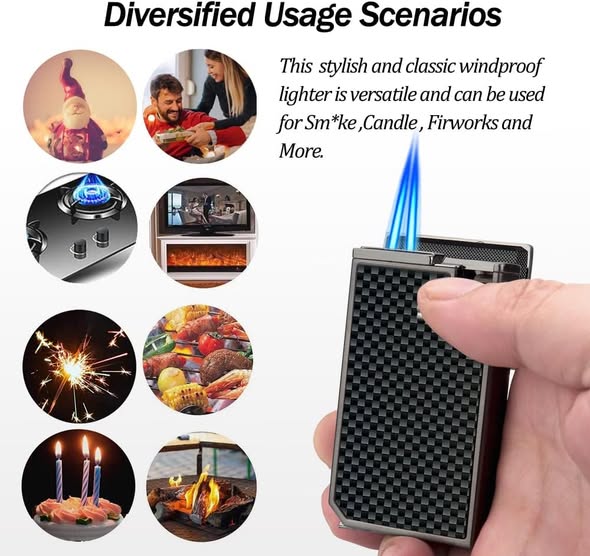
You want a lighter that makes lighting candles safe and simple. Electric candle lighters work best for this job. They recharge quickly and have a long, thin neck, so you can reach deep candle wicks without burning your fingers. The flameless design keeps your home safe and adds a cozy feeling.
Here are some top-rated choices:
Lighter Name | Description | Purchase Link |
|---|---|---|
Power Practical Sparkr Wick Candle Lighter | Long-neck design, great for candles, grills, and fireworks. | Amazon |
LcFun Dual Arc Plasma USB Lighter | Elegant look, easy candle lighting, perfect for gifts. | Amazon |
Reidea Electronic Candle Lighter | Retractable, practical, and fits many uses. | Amazon |
Tip: Electric candle lighters keep your fingers safe and your home free from fire hazards.
For Cooking and Grills
You need a lighter that handles heat and keeps you safe while grilling. Some lighters work fast and avoid the mess of lighter fluid. Others use electric power or special starters.
Product Name | Features | Time to Ignite | Environmental Impact |
|---|---|---|---|
Weber Grills RapidFire Aluminized Steel Charcoal Chimney | Durable steel, heat-shield handle | ~15 minutes | Safe and efficient |
Looftlighter X Battery Powered Charcoal Lighter | Ignites charcoal in under 60 seconds | < 1 minute | Environmentally friendly |
Primo Quick Lights Charcoal Firestarters | Odorless, quick lighting | Quick | Convenient and hassle-free |
Always use long-handled tools and flame-resistant mitts.
Keep lighters away from children.
Never add lighter fluid to hot coals.
Note: Electric starters and chimney lighters help you avoid dangerous chemicals.
For Smoking
You want a lighter that works every time, even outside. Windproof and refillable lighters give you a steady flame and save money. Butane torch lighters work well for cigars and cigarettes. Kerosene lighters last in cold weather. Electric arc lighters light up fast and don’t change the taste.
Feature | Butane Lighters | Kerosene Lighters | Electric Arc Lighters |
|---|---|---|---|
Wind Resistance | High | High | Extremely high |
Odor & Taste Impact | Odorless | Slight flavor | Odorless |
Cold Weather Use | Poor | Excellent | Battery may struggle |
Best For | Cigars, cigarettes | Outdoor, collectors | Cigarettes, convenience |
Windproof lighters help you light up quickly, even on breezy days.
Choose a lighter with weather resistance and waterproof features.
Pick one made from strong materials for rough trips.
Simple ignition helps when you need fire fast.
If you camp or travel, a windproof and waterproof lighter keeps you ready for anything.
Choosing the right lighter gets easier when you focus on what you need. Match the lighter’s features to your daily habits and style. You avoid common mistakes by checking fuel compatibility, not picking just by price, and keeping your lighter clean.
Quick tips for confident picks:
Pick a design that feels good in your hand and fits your routine.
Choose the right fuel and flame for your main use.
Go for windproof and waterproof if you spend time outdoors.
Make sure the size works for your pocket or bag.
Remember: The best lighter is the one that fits your life and keeps you safe every time you use it. 🔥
FAQ
What lighter works best for windy conditions?
You want a torch lighter or a windproof electric lighter. These lighters create a strong, focused flame that stays lit even when the wind blows. They work great for camping, grilling, or lighting up outside.
Can I take a lighter on an airplane?
You can bring one disposable or Zippo-style lighter in your carry-on bag. Airlines do not allow torch lighters or extra lighter fluid. Always check the latest TSA rules before you fly.
How do I refill a refillable lighter?
First, check the fuel type—usually butane or lighter fluid. Open the refill port, insert the fuel nozzle, and fill until full. Wipe off any spills. Wait a few minutes before lighting.
What should I do if my lighter stops working?
Try these steps:
Check if it needs fuel or charging.
Clean the nozzle or ignition area.
Make sure the safety lock is off.
If your lighter still does not work, you may need a replacement.