
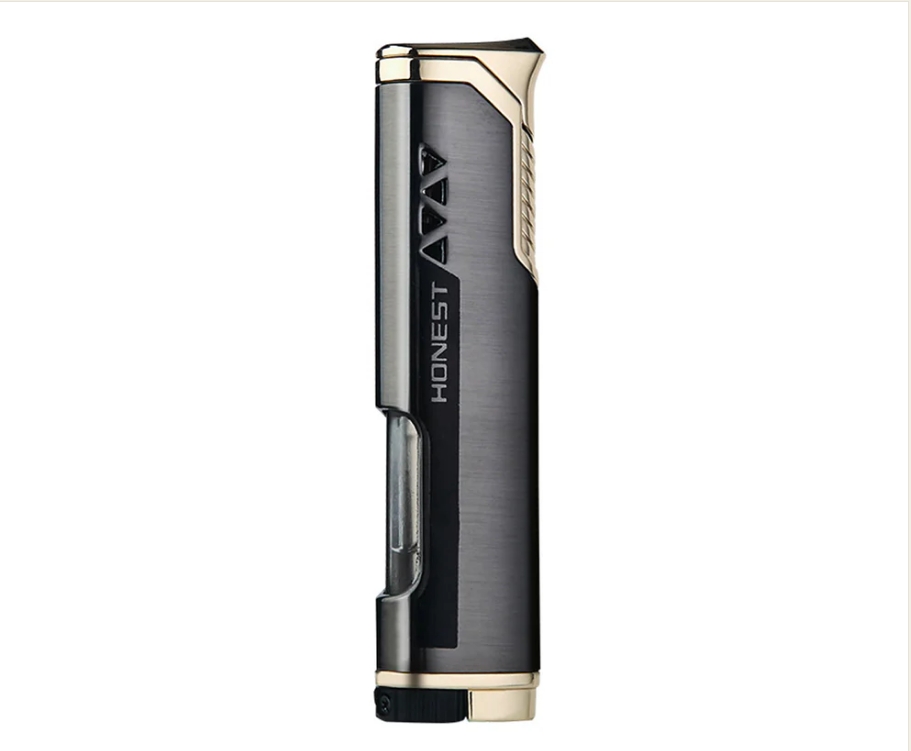
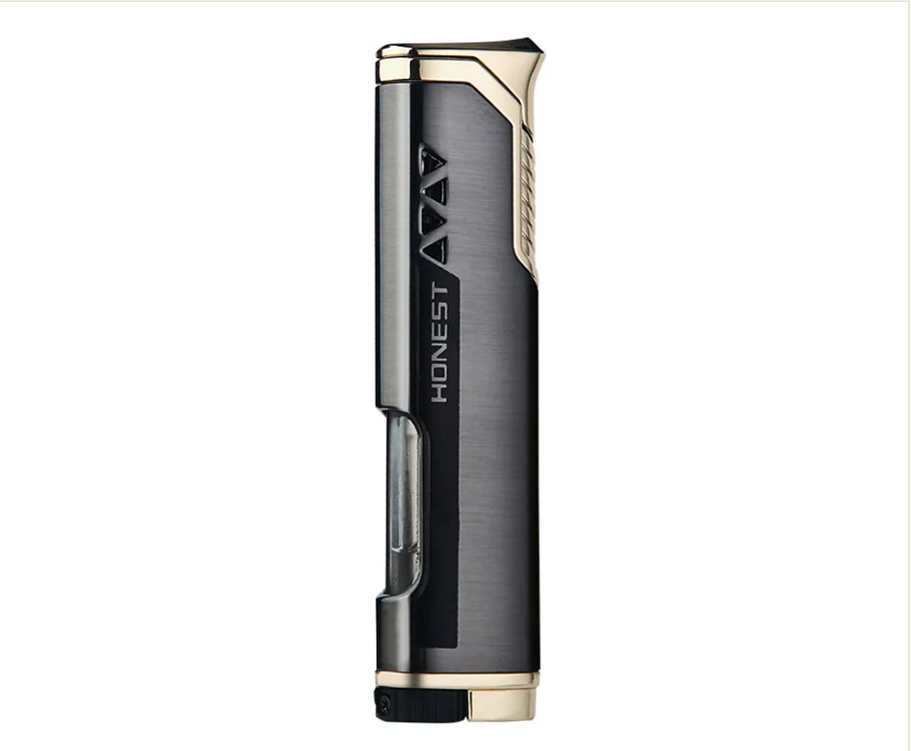
A Jet Flame Lighter gives you a strong, focused flame by mixing fuel and air, then igniting it with a piezoelectric spark. You notice the difference right away—these lighters work in windy places and reach higher temperatures than regular ones. In 2026, you can find models with eco-friendly fuels, child-safe locks, and automatic shut-off.
Advancement Type | Description |
|---|---|
Jet Flame Technology | High-intensity jet flames that are wind-resistant and provide consistent ignition. |
Rechargeable and Eco-Friendly Fuels | Development of refillable fuel systems and sustainable fuel options like bio-based fuels. |
Enhanced Safety Features | Innovations like child-resistant mechanisms and automatic shut-off systems for improved safety. |
Material and Design Innovations | Use of durable, lightweight, and eco-friendly materials such as recycled plastics. |
Key Takeaways
Jet Flame Lighters produce a strong, focused flame that works well in windy conditions, making them ideal for outdoor use.
These lighters feature eco-friendly fuels and safety mechanisms, such as child-resistant locks and automatic shut-off systems.
Understanding the components, like the fuel tank and piezoelectric ignition, helps you use the lighter safely and effectively.
A well-mixed fuel and air stream is crucial for a stable flame; improper mixing can lead to a weak or flickering flame.
Regular maintenance, including cleaning and proper refilling, ensures your Jet Flame Lighter performs well and lasts longer.
Jet Flame Lighter Components
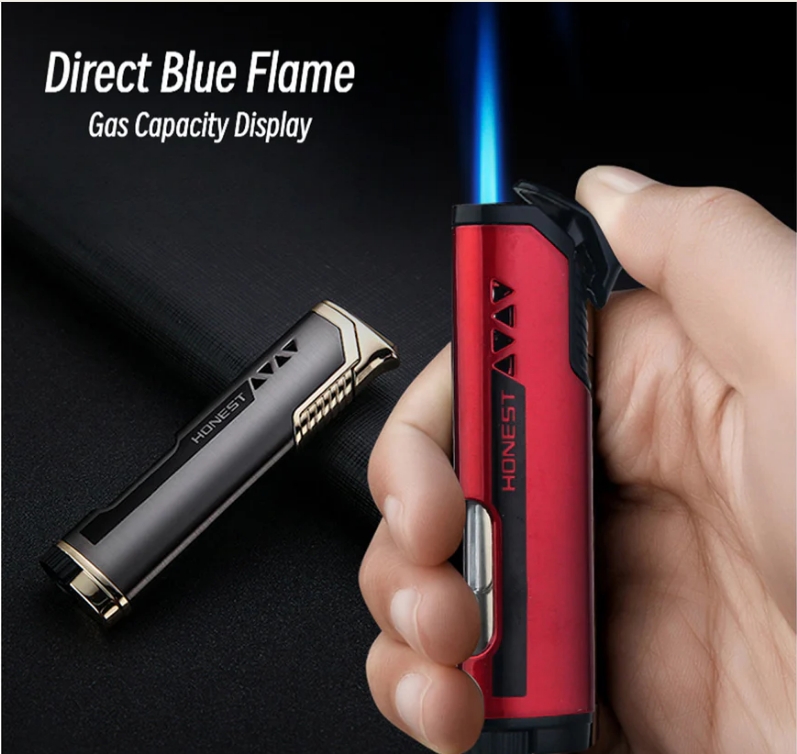
When you look inside a Jet Flame Lighter, you find several important parts working together. Each part has a special job that helps create a strong, wind-resistant flame. Here is a table that shows the main components and what they do:
Component | Description |
|---|---|
Fuel Tank | Stores butane gas in a liquid state under pressure, releasing it as gas when used. |
Fuel Valve | Controls the release of butane from the tank when the ignition button is pressed. |
Ignition System | Uses a piezoelectric system to create a spark that ignites the butane gas. |
Flame Nozzle | A narrow nozzle that produces a focused jet of flame when the ignited gas exits. |
Adjustment Mechanism | Allows you to control the flame size and intensity by regulating butane flow. |
Tip: Understanding each part helps you use your Jet Flame Lighter safely and get the best performance.
Butane Fuel Tank
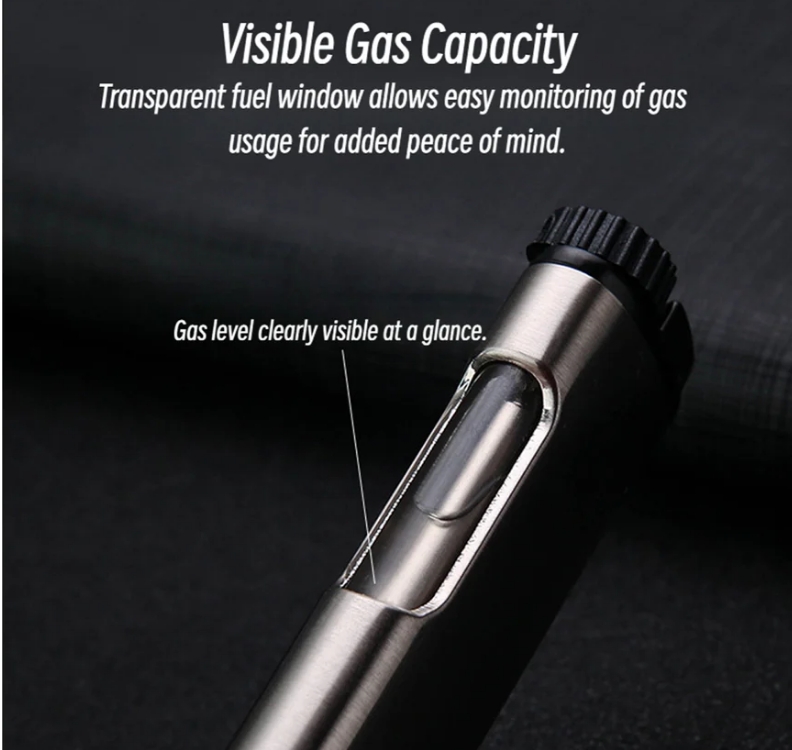
You find the butane fuel tank at the base of the Jet Flame Lighter. This tank holds butane gas under pressure. When you press the ignition button, the fuel valve opens and lets the gas escape. The tank must stay sealed tightly to keep the butane inside until you need it. You can refill the tank when it runs out, which makes the lighter last longer.
Venturi Tube & Air Intake
The venturi tube and air intake play a key role in making the flame strong and steady. As butane gas moves through the venturi tube, it mixes with air drawn in from the intake holes. This mixing is important because it helps the lighter create a hotter and more focused flame. The venturi tube uses its shape to speed up the gas and pull in air at the right ratio. If you want a powerful jet flame, you need proper air and fuel mixing.
The venturi tube creates a low-pressure area.
Air enters through intake holes and blends with butane gas.
The mixture flows toward the nozzle for ignition.
Piezoelectric Ignition
You start the ignition process by pressing the button. The Jet Flame Lighter uses a piezoelectric system to make a spark. When you press the button, a small crystal inside the lighter gets squeezed. This action produces an electric charge that jumps across a gap, creating a spark. The spark lights the butane and air mixture, forming the blue jet flame you see. Piezoelectric ignition works quickly and does not need batteries.
Note: Piezoelectric ignition makes Jet Flame Lighters reliable, even in windy or wet conditions.
You now know how each part of a Jet Flame Lighter works together. The fuel tank stores butane, the venturi tube mixes air and fuel, and the piezoelectric ignition creates the spark. These components help you get a strong, windproof flame every time.
Ignition & Flame Creation
Fuel and Air Mixing
When you press the ignition button on your Jet Flame Lighter, you start a process that mixes butane gas with air. The venturi tube inside the lighter pulls in air as the butane flows through it. This mixing is important because it helps the lighter create a stable and powerful flame. If the fuel and air do not mix well, the flame can become weak or even go out.
The right ratio of fuel to air affects how well your lighter works. Too much fuel or too little air can cause the flame to flicker or produce soot. Too much air can make the flame hard to ignite. The table below shows how different factors influence the efficiency and stability of the jet flame:
Influencing Factors | Description |
|---|---|
Combustor Geometry | The shape and size of the lighter affect how fuel and air mix. |
Operational Conditions | Temperature and pressure inside the lighter change how the flame behaves. |
Fuel Properties | The size of fuel droplets and how fast they evaporate impact flame quality. |
Tip: A well-mixed fuel and air stream gives you a strong, steady flame every time.
Spark and Ignition Process
The ignition process in your Jet Flame Lighter uses a piezoelectric system. This system creates a spark without batteries. Here is how it works:
You press the ignition button.
A spring-loaded hammer strikes a quartz crystal inside the lighter.
The impact creates a high voltage, which jumps across a small gap as a spark.
The spark ignites the butane and air mixture at the nozzle.
You can adjust the spark wire to make sure it touches the nozzle. This helps the lighter ignite more reliably. After making adjustments, always test your lighter to confirm it works as expected.
Note: The piezoelectric ignition system makes your lighter dependable, even in windy or damp conditions.
Producing the Blue Jet Flame
Once the spark ignites the fuel and air mixture, you see a blue jet flame shoot out from the nozzle. The blue color means the flame burns hot and clean. The temperature of this flame usually ranges from 1,400°C to 1,600°C (2,552°F to 2,912°F). This high heat lets you use the lighter for tasks that need precision, like lighting a cigar or starting a campfire in windy weather.
Several factors affect the color and quality of the flame:
Factor | Observation |
|---|---|
Equivalence Ratio | The right mix of fuel and air keeps the flame blue. Too much fuel can turn the flame yellow. |
Fuel Diameter | If the fuel stream is too wide, the flame may produce soot and lose its blue color. |
Hydrogen Content | More hydrogen in the fuel keeps the flame cleaner and delays soot formation. |
A blue jet flame means your lighter burns fuel efficiently. You get a focused, wind-resistant flame that works well outdoors or for detailed tasks.
Remember: A blue flame shows your Jet Flame Lighter is working at its best.
Jet Flame Lighter: Wind Resistance & Heat
Focused Flame Design
You get better control with a focused flame. The design of a jet flame lighter forces butane through a small nozzle at high pressure. This creates a narrow, intense blue flame. You can use this flame to light cigars, start campfires, or even work on small projects. The concentrated flame allows for quick and reliable ignition. You will find it useful for both outdoor activities and kitchen tasks. The high temperature and precision make it ideal for difficult lighting jobs.
The focused flame gives you better accuracy.
You can light objects even in windy conditions.
The design works well for both big and small tasks.
High-Temperature Output
A jet flame lighter produces much more heat than a standard lighter. The flame can reach up to 3,400°F (1,982°C). In comparison, a regular lighter only reaches about 2,500°F (1,371°C). This extra heat helps you light things faster and more efficiently. You can see the difference in the table below:
Type of Lighter | Maximum Temperature (°F) | Maximum Temperature (°C) |
|---|---|---|
Jet Flame Lighter | 3,400 | 1,982 |
Standard Lighter | 2,500 | 1,371 |
Certain Parts of Flame | 3,000 | 1,649 |
Tip: The higher temperature means you can use your lighter for tasks that need strong, steady heat.
Why the Flame is Windproof
You can rely on your lighter even in strong winds. The jet flame lighter uses several features to keep the flame burning. The concentrated jet flame is less affected by wind. Many models include a wind guard that shields the flame from outside air. Some lighters also have a sealed chamber to protect the flame.
Mechanism | Description | Effectiveness Under Wind Conditions |
|---|---|---|
Concentrated Jet Flame | Produces a focused flame that is less affected by wind. | Highly effective, maintains flame stability in gusts. |
Wind Guard | Shields the flame from external airflow, preventing extinguishing. | Very effective, keeps flame steady even in strong winds. |
Sealed Chamber | Protects the flame from surrounding air, enhancing reliability. | Effective, ensures consistent performance in various conditions. |
The Azen Neo jet flame lighter keeps its flame steady in winds over 30 mph.
You can use your lighter outdoors without worrying about the wind blowing it out.
Note: You get a reliable flame every time, even in tough weather.
Using a Jet Flame Lighter
Step-by-Step Guide
You can use your Jet Flame Lighter easily by following these steps:
Hold the lighter upright and away from your face.
Press the ignition button firmly with your thumb.
Wait for the blue jet flame to appear at the nozzle.
Bring the flame close to the object you want to light.
Release the button when you finish using the flame.
Tip: Always point the nozzle away from yourself and others before you ignite the lighter.
Safety Tips
You should always use your lighter with care. Here are some important safety tips:
Keep your lighter out of reach of children.
Do not use the lighter near flammable materials.
Avoid touching the nozzle right after use. It can get very hot.
Store your lighter in a cool, dry place.
Never try to modify or repair the lighter yourself.
Safety Rule | Why It Matters |
|---|---|
Keep away from children | Prevents accidental burns or misuse |
Avoid flammable materials | Reduces risk of fire |
Let nozzle cool | Prevents burns |
Store properly | Maintains lighter performance |
Maintenance & Refilling
You can keep your lighter working well by following a few simple maintenance steps:
Use only multi-refined butane to prevent clogging.
Clean the burner and ignition area regularly to remove debris.
Inspect seals, o-rings, and valves for any signs of wear.
Purge the lighter after refueling to remove trapped air.
Allow the lighter to reach room temperature before using it again.
Adjust the flame level only when needed to avoid extra wear.
Follow the manufacturer’s instructions for refilling.
Lubricate moving parts if the manufacturer recommends it.
Avoid storing your lighter with fuel for long periods to prevent fuel degradation.
Note: Regular cleaning and proper refilling help your Jet Flame Lighter last longer and work safely every time.
You now understand how a Jet Flame Lighter gives you a powerful, wind-resistant flame with precise control. This tool stands out for outdoor use, especially when you need steady heat in tough weather. Many models let you adjust the flame and refill the fuel, making them cost-effective over time.
When the weather turns rough, a jet flame lighter keeps working, making it a must-have for campers and adventurers.
New designs focus on comfort, sustainability, and advanced features. As more people seek premium and reliable lighters, you will see even more innovation in the years ahead.
FAQ
How do you refill a jet flame lighter?
You refill your jet flame lighter by turning it upside down and inserting the butane nozzle into the refill valve. Hold for a few seconds. Wait until the lighter returns to room temperature before using it.
Why does my jet flame lighter sometimes not ignite?
You may have air trapped inside or debris blocking the nozzle. Try purging the lighter and cleaning the burner area. If problems continue, check the fuel level and piezoelectric system.
Is it safe to use a jet flame lighter indoors?
You can use your jet flame lighter indoors if you keep it away from flammable materials and ensure good ventilation. Always follow safety instructions from the manufacturer.
What makes jet flame lighters windproof?
Jet flame lighters use a focused nozzle and high-pressure fuel stream. This design keeps the flame stable in windy conditions. Some models add wind guards for extra protection.