
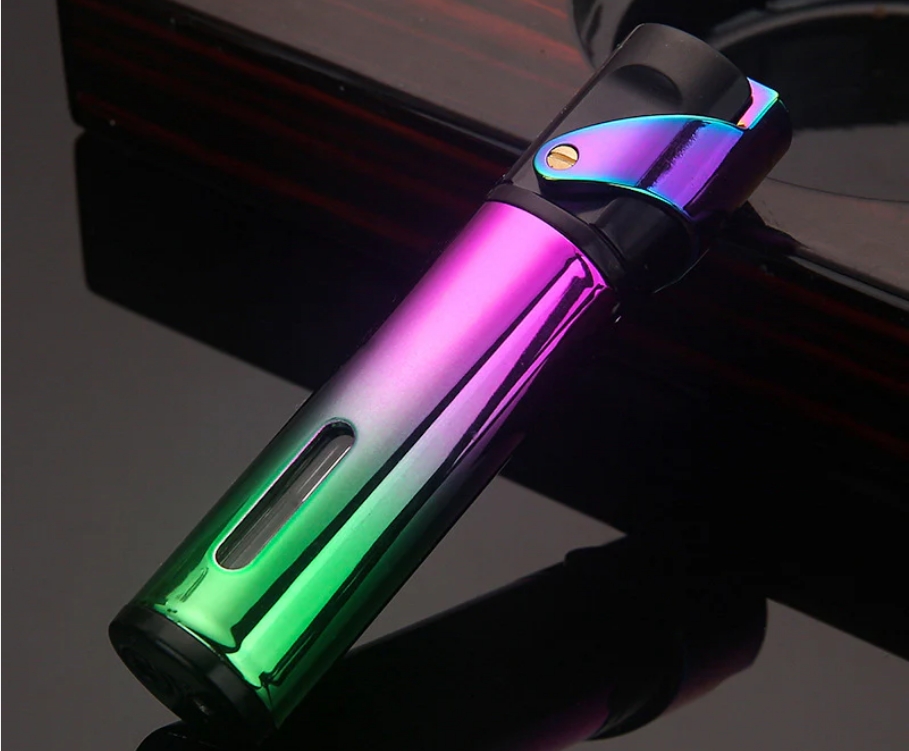
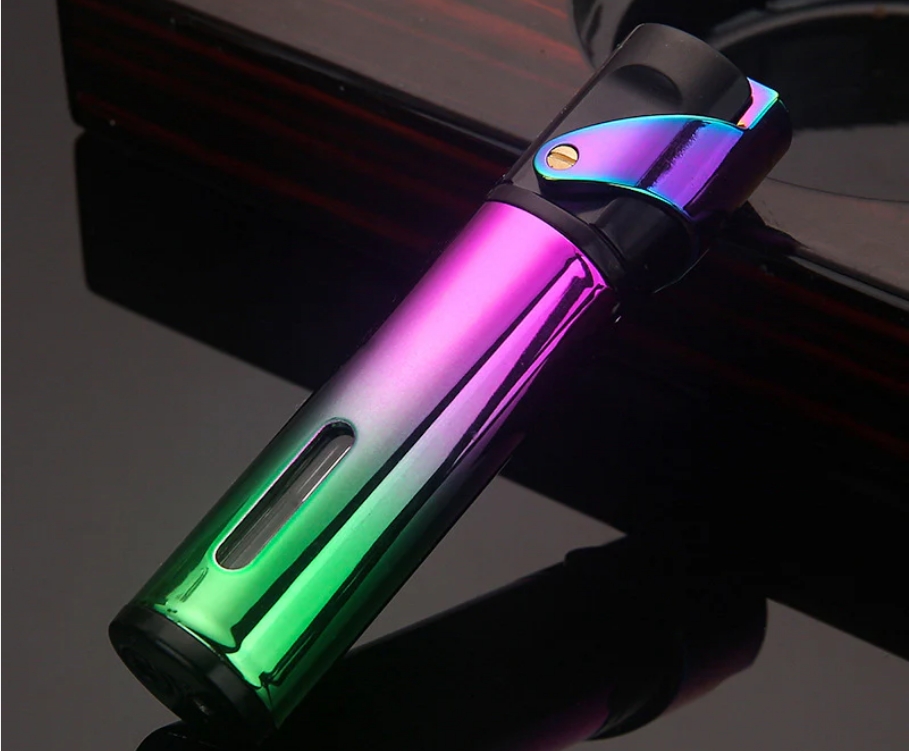
You want a lighter that works anywhere. Honest Metal Windproof Lighter stands out for strong wind resistance, tough metal bodies, and smart fuel use. Outdoor fans love these models because they last and work in rough weather. The growing demand for reliable lighters proves more people trust these picks in 2026.
Key Takeaways
Choose a lighter with strong wind resistance to ensure reliable ignition in harsh conditions.
Look for durable materials like zinc alloy or stainless steel for long-lasting performance.
Select a refillable model for convenience and sustainability; check for easy refilling features.
Prioritize safety by checking for certifications like ISO 9994 and child resistance.
Read customer reviews to understand real-world performance and make an informed choice.
Testing Metal Windproof Lighters
Evaluation Criteria
When you pick a Metal Windproof Lighter, you want it to work every time. You also want it to last. Here are the main things you should look for:
Criteria | Description |
|---|---|
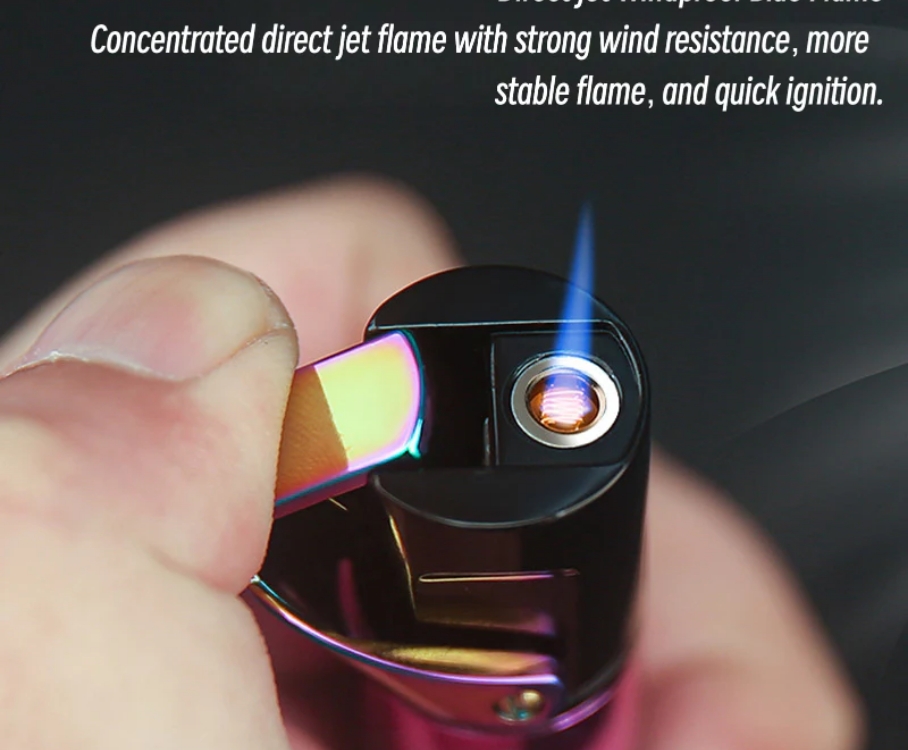
Wind Resistance | Reliable ignition in harsh conditions, with premium models working in winds over 100 mph. |
Durability | Water-resistant casings and O-ring seals enhance durability in wet environments. |
Fuel Efficiency | Butane torch lighters feature jet flames that resist wind better than open flames. |
Ease of Use | Sealed fuel chambers and protected ignition systems prevent moisture ingress. |
Refillability | Look for designs that allow easy refilling without spillage. |
Safety Compliance | Must meet ISO 9994 and Child Resistance Regulations; check for CE, FCC, and RoHS certifications. |
Testing and Reviews | Verify third-party testing or customer reviews for real-world performance claims. |
You want a lighter that can handle strong wind, rain, and drops. You also want to refill it without a mess. Safety matters too. Always check for certifications like ISO 9994 and child resistance.
Real-World Testing
You need to know how a Metal Windproof Lighter performs outside, not just in a lab. For this review, we tested each lighter in windy fields, rainy parks, and even on cold mornings. We tried to light campfires, candles, and stoves. We dropped the lighters on rocks and splashed them with water. And We also checked how easy it was to refill each one and if the flame stayed strong.
Tip: Always read customer reviews. They tell you how a lighter works in real life.
Scoring System
We gave each Metal Windproof Lighter a score from 1 to 5 in each category: wind resistance, durability, fuel efficiency, ease of use, refillability, and safety. A perfect score means the lighter worked well in every test. We added up the scores to find the best overall lighters for 2026. This way, you can see which lighter fits your needs best.
How to Choose a Metal Windproof Lighter
Key Buying Factors
When you pick out a lighter, you want one that fits your needs and keeps you safe. Here’s a quick table to help you compare what matters most:
Property | Details |
|---|---|
Material Properties | Look for zinc alloy or stainless steel. These metals last longer and handle drops. |
Ignition Types | Piezoelectric lighters use a spark and work even when wet. Flint-based lighters are simple and tough. |
Refillability | Most lighters use butane or naphtha. Check the fuel size—bigger tanks last longer. |
Choose lighters with child locks, flame guards, and auto shut-off. | |
Price Ranges | You’ll find budget models and premium ones with extra features. |
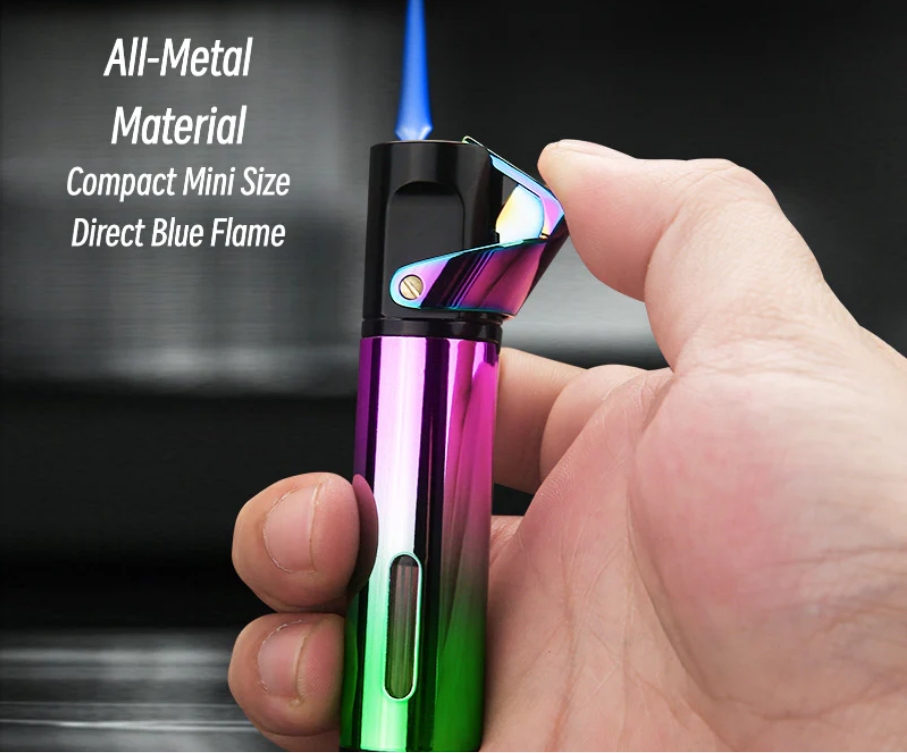
You should also think about how you’ll use your lighter. If you camp or hike, pick one with a textured grip and one-handed ignition. For everyday carry, go for a compact and lightweight design. Always check for safety features like child locks and flame guards.
Types of Metal Lighters
Not all lighters work the same way. Here’s how the main types compare:
Type of Lighter | Performance | Durability | Usability |
|---|---|---|---|
Strong, windproof flame for outdoor use | Heavy-duty and rugged | Great for camping, grilling, and daily use | |
Plasma Lighter | No flame, just a hot arc; USB rechargeable | Fewer parts, but needs battery power | Easy to use, no need for gas or fluid |
Classic Metal Lighter | Flame can blow out in strong wind | Durable, but less tough than jet lighters | Good for casual use and collectors |
If you want a Metal Windproof Lighter for tough weather, jet torch and plasma models work best. Classic lighters look cool and last, but they don’t handle wind as well.
Maintenance Tips
You want your lighter to last for years. Here are some easy tips:
Clean the outside with a soft cloth. Use compressed air for the nozzle.
Use high-quality butane or naphtha. Purge air from the tank before refilling.
Store your lighter in a cool, dry place. Keep it away from heat and moisture.
Check the fuel level often. Don’t let it run dry.
Replace flints or clean the ignition points if the spark gets weak.
Before long trips or storage, empty the fuel and clean the lighter.
Tip: A little care goes a long way. Regular cleaning and proper storage keep your lighter working when you need it most.
FAQ
How do you refill a metal windproof lighter?
Most lighters use butane or lighter fluid. Open the refill port, insert the nozzle, and fill until full. For plasma or electric models, just plug in a USB cable. Always check the manual for your lighter.
What should you do if your lighter stops working?
Try these steps:
Check the fuel or battery.
Clean the ignition area.
Replace the flint. If it still fails, contact customer support.