
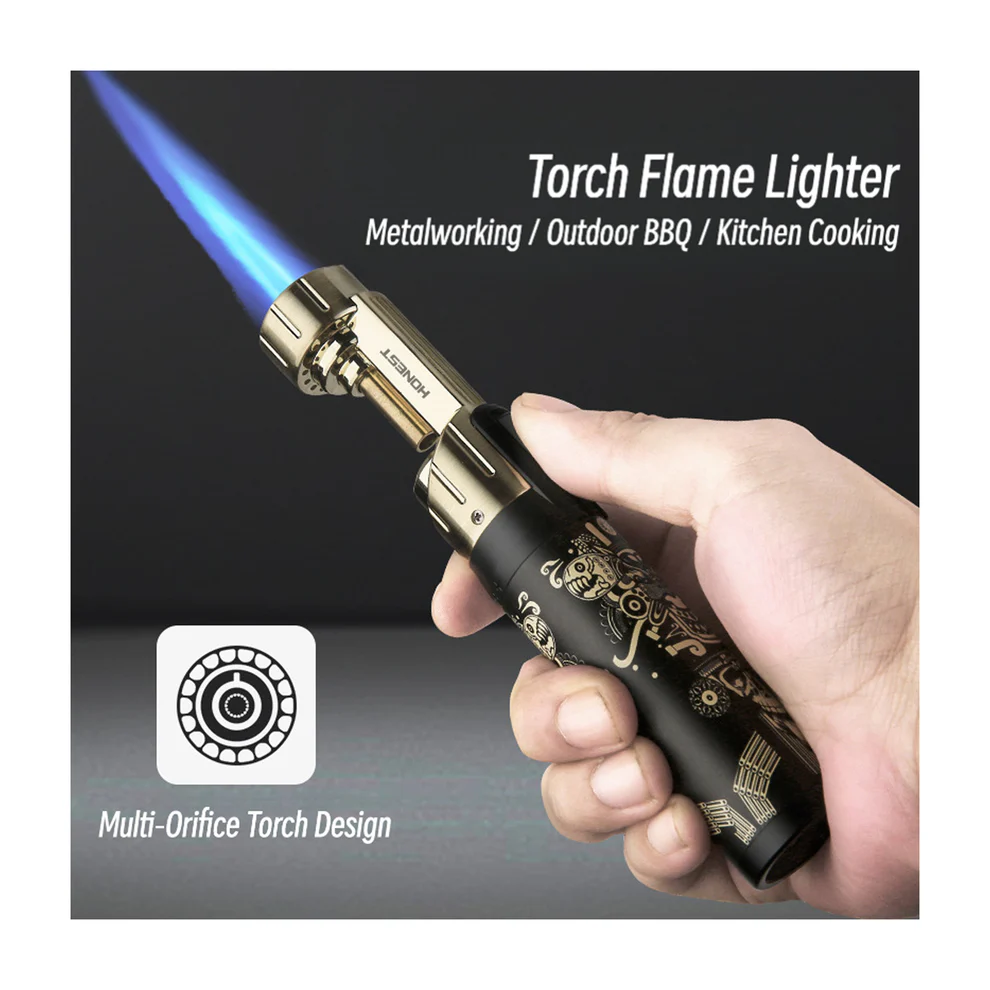
Windproof Flame Torch Lighter Tips for Easy Camping
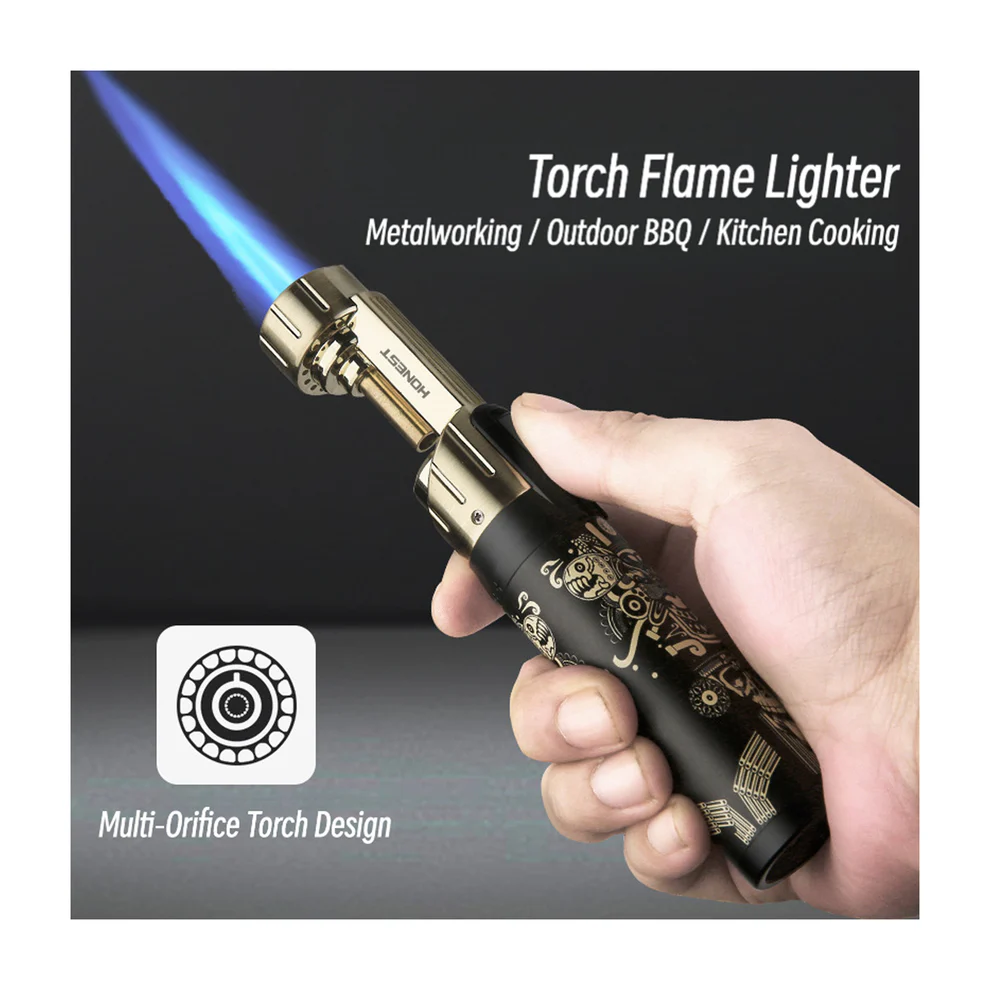
When you pick a Windproof Flame Torch Lighter for camping, focus on what truly matters. You want a lighter that stands up to wind and rain. Look for a strong jet flame and a tough build. A good lighter should feel easy to use and light enough to carry anywhere. These lighters offer more safety for both adults and kids than old-school options. You get a steady flame, which makes starting fires much easier and safer outdoors. Choose one that works every time, so you can enjoy camping without worry.
Key Takeaways
Choose a Windproof Flame Torch Lighter with a strong jet flame for reliable fire-starting in windy conditions.
Look for durable materials like stainless steel or aircraft-grade aluminum to ensure your lighter withstands rough camping conditions.
Select a lightweight and portable lighter to make carrying your camping gear easier and more comfortable.
Opt for refillable and water-resistant lighters to save money and ensure functionality in wet weather.
Always test your lighter before your trip to confirm it lights easily and stays lit, preventing surprises at the campsite.
Windproof Flame Torch Lighter Features
Jet Flame Strength
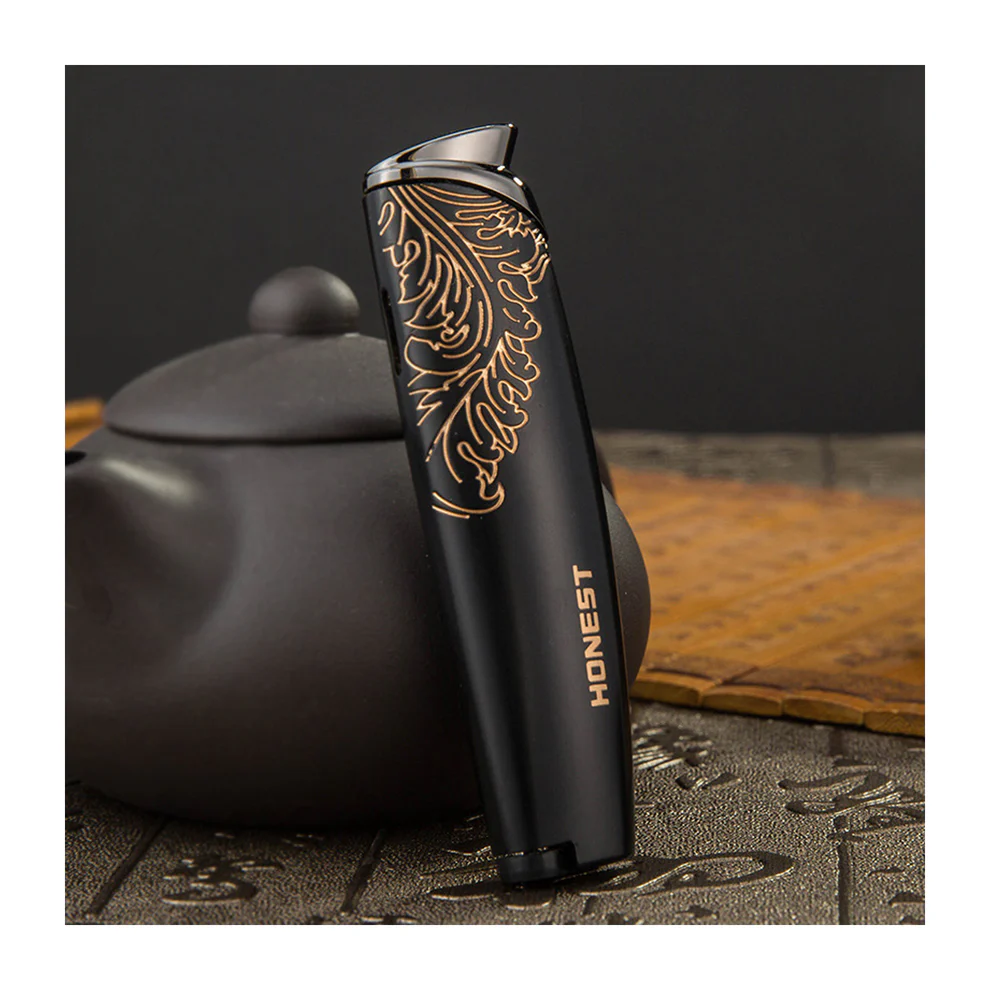
When you camp outdoors, you need a lighter that works every time. Jet flame strength makes a big difference. A Windproof Flame Torch Lighter creates a concentrated, high-temperature blue flame. This flame can reach up to 2,600°F, which means you can light a fire even if the wind blows hard. The pressurized butane gas keeps the flame steady and reliable. You do not have to worry about the flame going out when you need it most.
Jet flame lighters give you:
A strong, focused flame for quick ignition.
Reliable performance in windy weather.
Less frustration when starting campfires or stoves.
When you shop, check for lighters that mention “jet flame” or “high-temperature flame” on the package. Try to test the flame if you can. A good jet flame should look blue and stay steady, even if you blow on it.
Windproof Technology
You want your lighter to work in all weather. Windproof technology helps you do that. Most Windproof Flame Torch Lighters use a special jet flame design. This design keeps the flame burning, even when the wind picks up. Some lighters use four angled jets, called quad-jet, to make an ultra-hot flame. These work well at high altitudes and in strong gusts.
Windproof lighters:
Give you a steady flame that does not blow out easily.
Help you light fires fast, even in breezy spots.
Use butane fuel systems for extra stability.
When you look for a lighter, check if it says “windproof” or “jet torch” on the label. Read reviews to see if other campers say it works in the wind.
Durability and Build
Camping gear takes a beating. You need a lighter that can handle drops, bumps, and rough weather. The best Windproof Flame Torch Lighter models use strong materials. Stainless steel resists rust and dents. Aircraft-grade aluminum is light but tough. Brass and zinc alloys handle heat well and look nice. Some budget lighters use plastic, but these can crack if you drop them.
Material | Properties |
|---|---|
Stainless Steel | Resists corrosion and dents; ideal for heavy-duty use. |
Aircraft-Grade Aluminum | Lightweight yet extremely strong; common in EDC lighters. |
Brass or Zinc Alloys | Excellent heat resistance; can be polished to a high finish. |
Plastic (Budget Models) | Light and inexpensive but prone to cracking under stress or extreme temps. |
You should check for lighters made from metal or high-quality plastic. Look for water resistance ratings like IPX4 or higher. Features like shock absorption and reinforced hinges help your lighter last longer. Certifications such as CE or ISO 9001 show the lighter meets quality standards.
Weight and Portability
You want your camping gear to be light. Heavy items slow you down and make your pack uncomfortable. Most Windproof Flame Torch Lighter models weigh between 0.39 oz and 3.21 oz. A pocket torch with a refillable lighter usually weighs about 1.8 oz. Almost 70% of campers say they pick lighter gear for easier travel. A lighter in your pocket or pack means less fatigue and more fun on the trail.
Light lighters are easier to carry.
You can move faster and feel less tired.
Every ounce counts, especially for backpackers.
When you shop, check the weight on the package or product page. Pick a lighter that feels comfortable in your hand and fits in your pocket or gear bag.
Refillable and Water Resistant
A refillable lighter saves you money and waste. Many Windproof Flame Torch Lighter models let you refill them with butane. Some, like the Iroda MJ-300 Micro Jet Torch, also have waterproof ignition systems. Water resistance means your lighter works even if it gets wet from rain or a spill.
Refillable lighters are better for the environment.
Water resistance keeps your lighter working in wet weather.
Look for models with sealed parts or moisture-repelling materials.
When you shop, check if the lighter says “refillable” and “water resistant.” Read the product details or ask a store worker. Try to find lighters with a good seal around the ignition and fuel areas.
Tip: Always test your lighter before your trip. Make sure it lights easily and stays lit, even after you splash a little water on it.
Comparing Top Lighter Options
Quick Comparison Overview
When you shop for a Windproof Flame Torch Lighter, you want to know what really matters. You might see lots of brands like Zippo, Primus, and UST. Each one claims to be the best, but how do you decide? Start by looking at the main things that make a lighter great for camping. Here’s a simple table to help you compare:
Criteria | What to Look For |
|---|---|
Weather Resistance | Windproof and waterproof design. Always bring a backup for extra safety. |
Durability | Strong casing and O-rings. These keep your lighter working in tough conditions. |
Size and Portability | Small and light lighters fit better in your pocket or pack. |
Refills and Longevity | Easy to refill. Long burn time is helpful for longer trips. |
Batteries | If your lighter uses batteries, check if they work well in cold weather. |
You can read user reviews or watch test videos online. Many campers share their real-life experiences. They talk about how the lighter works in rain, wind, or after a drop. This feedback helps you spot the best choice for your needs.
Pros and Cons of Popular Models
Every lighter has its good and bad sides. Some models give you a broad heat area, which makes lighting a campfire easy. Others have safety features like child locks or auto-shutoff. But you might notice some lighters are a bit bigger or use more butane. Here’s a quick look:
Pros | Cons |
|---|---|
Broad heat distribution | Slightly larger size |
Improved wind resistance | Uses more butane |
Fast and easy ignition | |
Child safety features | |
Auto-shutoff for safety |
You might like a lighter with lots of safety features if you camp with kids. If you want something small, pick a lighter that fits in your hand and pocket. Always think about what matters most for your trip. A Windproof Flame Torch Lighter that matches your needs will make camping much easier.
Tip: Try holding a few lighters in the store. See which one feels right for you. Comfort and ease of use matter just as much as features.
Using Your Lighter Outdoors
Pre-Trip Testing
Before you head out, always test your lighter at home. You want to make sure it works when you need it most. Press the ignition button and check for a strong, steady flame. Try lighting it in a breezy spot outside your house. If the flame flickers or goes out, refill the fuel or clean the nozzle. Testing before your trip helps you avoid surprises at the campsite.
Tip: Test your lighter after refilling and after cleaning. This helps you catch problems early.
Maintenance and Refilling
Keeping your lighter in top shape is easy if you follow a few simple steps. Regular maintenance keeps the flame strong and the lighter safe.
Trim the wick if your lighter has one.
Refill with butane or liquid fuel as needed.
Check the fuel level often. Top it off before your trip.
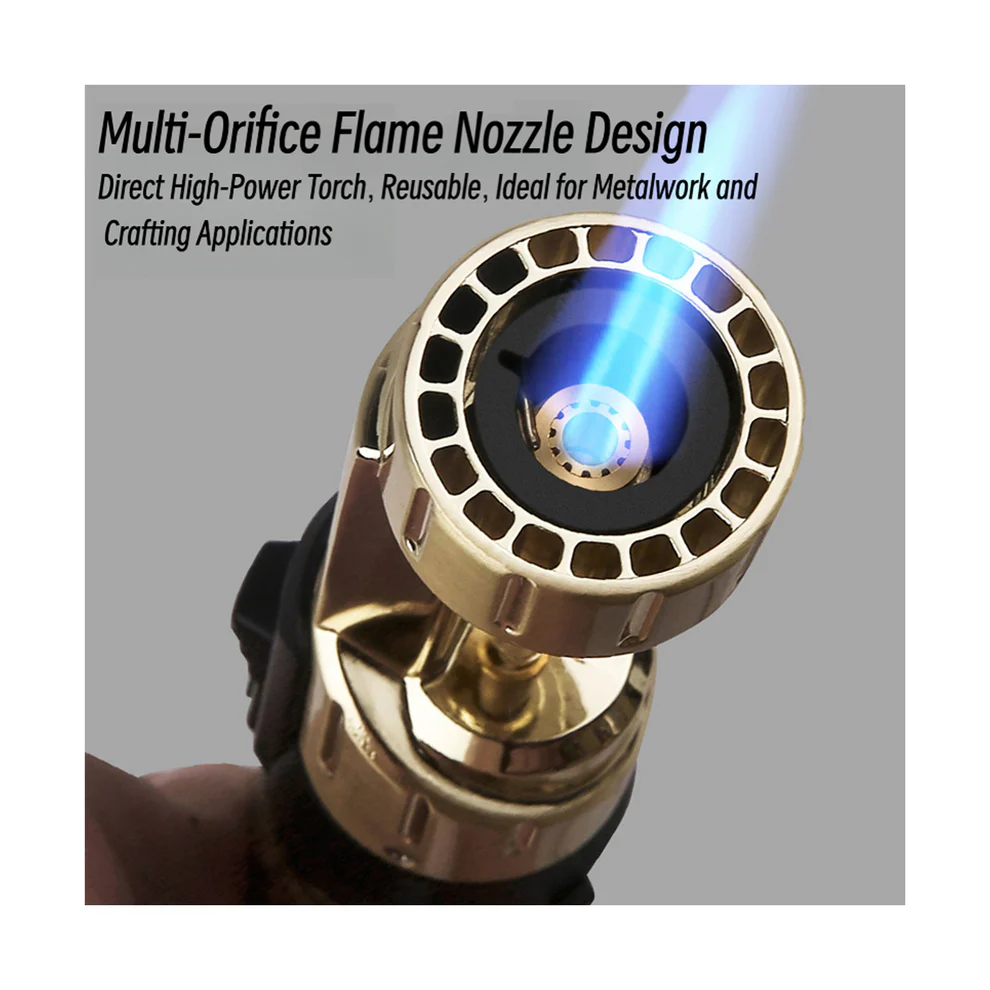
Clean the nozzle to prevent clogs.
Watch for leaks or cracks.
When you refill your lighter, use high-quality butane. This keeps the flame consistent and helps your lighter last longer. Cleaning the nozzle stops dirt from blocking the flame. If you keep the fuel reservoir full, your Windproof Flame Torch Lighter will work better and last for many camping trips.
Safe Storage and Handling
Safe storage keeps you and your gear protected. Store your lighter in a dry place, away from extreme heat or cold. Check for leaks or damage before you pack it. Here’s a quick table with best practices:
Best Practice | Description |
|---|---|
Store at Room Temperature | Extreme cold reduces fuel pressure and ignition efficiency. |
Regular Cleaning | Clean the burner nozzle to prevent clogs. |
Test Before Departure | Ensure proper function before leaving. |
Avoid Extreme Heat | Prevents increased pressure and risk of explosion. |
Use High-Quality Butane | Follow manufacturer instructions for refilling. |
Improper handling can cause accidents. Many hazardous material incidents happen because of poor storage or leaks. Always inspect your lighter and never leave it in a hot car or near open flames. If you follow these steps, you can enjoy safe and easy fire-starting on every camping trip.
Mistakes to Avoid
Overlooking Key Features
You might feel tempted to grab the first windproof flame torch lighter you see. That can lead to trouble at the campsite. If you skip important features, you risk more than just frustration. You could face safety problems or a ruined camping trip.
Here’s what happens when you overlook key features:
You lose proper lighting, which can lead to accidents.
You miss out on reliable fire-starting, making cooking and warmth harder.
You struggle with food safety if your lighter fails.
You might not have the right tools to handle emergencies.
Always check for a strong jet flame, windproof design, and water resistance. These features keep you safe and make your camping experience smoother.
Tip: Make a checklist before you buy. This helps you remember what matters most.
Ignoring Safety and Certifications
Safety should always come first. Not all lighters meet the same standards. Some brands skip important safety steps. You want a lighter that follows strict rules and carries the right certifications.
Requirement | Description |
|---|---|
Cautionary Labeling | Lighters sold with fuel must follow the Federal Hazardous Substances Act. |
Reporting | Manufacturers must report to the CPSC before selling a new lighter model. |
General Certificate of Compliance (GCC) | Proves the lighter meets U.S. safety standards. |
Certified lighters also meet extra safety standards:
Safety Standard | Description |
|---|---|
ATEX Directive (EU) | Shows the lighter is safe in explosive environments. |
EN 13794 | Ensures the flame stays controlled and sparks do not escape. |
IECEx Certification | Recognized worldwide for safety in risky areas. |
OSHA and NFPA Guidelines (USA) | Matches U.S. workplace safety rules. |
When you see these labels, you know your lighter is built for safety.
Choosing by Price Only
It’s easy to pick the cheapest lighter. That choice can cost you more in the long run. Cheap lighters often break, leak, or fail when you need them most. They may lack important safety features and won’t last through tough weather.
If you choose by price only, you might notice:
The lighter feels flimsy and unreliable.
The flame goes out in the wind.
You get frustrated when it won’t light your stove or campfire.
You miss out on durability and ease of use.
The best windproof lighters work in bad weather and last for years. They use advanced designs to keep the flame strong. While price matters, don’t let it be your only guide. Quality and reliability keep you safe and happy outdoors.
Note: A dependable lighter is worth every penny when you’re out in the wild.
Choosing the right Windproof Flame Torch Lighter makes camping simple and safe. Here’s what you should do:
Pick a lighter with strong windproof features and a sturdy build.
Test your lighter before every trip.
Keep it clean and filled with fuel.
Stay ready for any adventure. With the right gear, you can enjoy campfires and meals without stress. Happy camping! 🔥
FAQ
How do you refill a windproof flame torch lighter?
Most lighters use butane. Turn your lighter upside down. Insert the butane can nozzle into the refill valve. Press down for a few seconds. Wait a minute before using it. Always follow the instructions from the manufacturer.
Can you use these lighters in the rain?
Yes, you can! Windproof torch lighters often work in light rain. Water-resistant models handle wet weather better. Dry the lighter if it gets soaked. Test it before your trip to make sure it works.
Are windproof lighters safe for kids?
Many models have child safety locks. Always keep lighters out of reach of young children. Teach older kids how to use them safely. Supervise them during use. Safety first!
What should you do if your lighter won’t ignite?
Try refilling the fuel. Clean the nozzle with a soft brush. Check for blockages or leaks. If it still won’t work, you may need a replacement. Don’t try to fix broken parts yourself.