
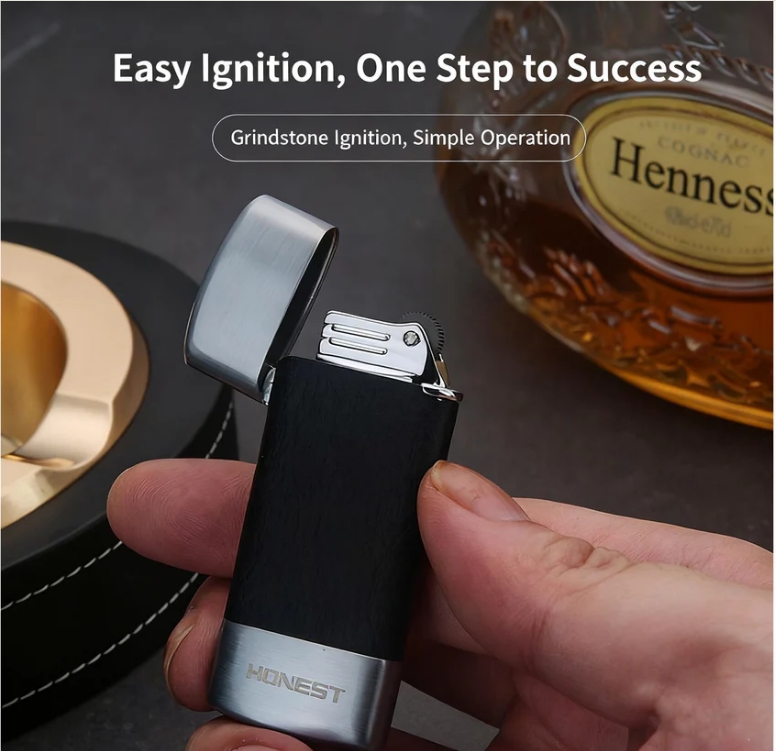
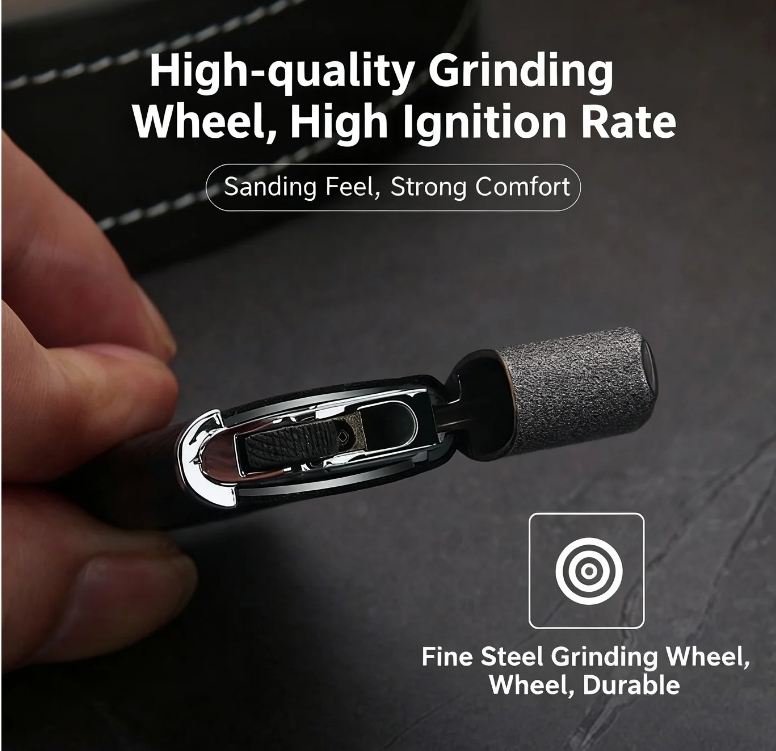
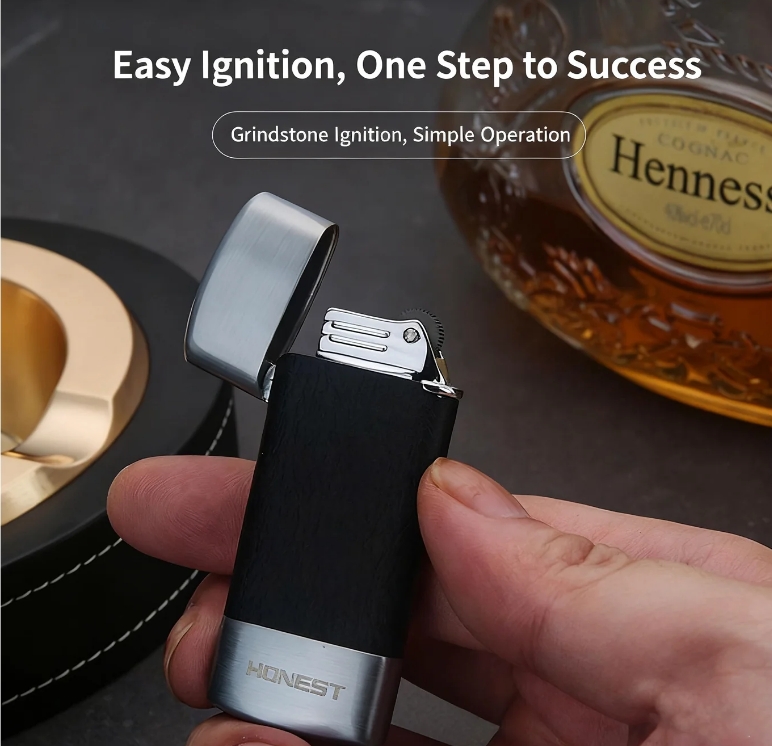
Looking for the best Butane Gas Lighter for camping? You can’t go wrong with Honest Butane Gas Lighters
Key Takeaways
Choose a butane lighter with windproof and waterproof features for reliable performance in tough weather.
Opt for refillable lighters to save money and reduce waste; they can last for years with proper care.
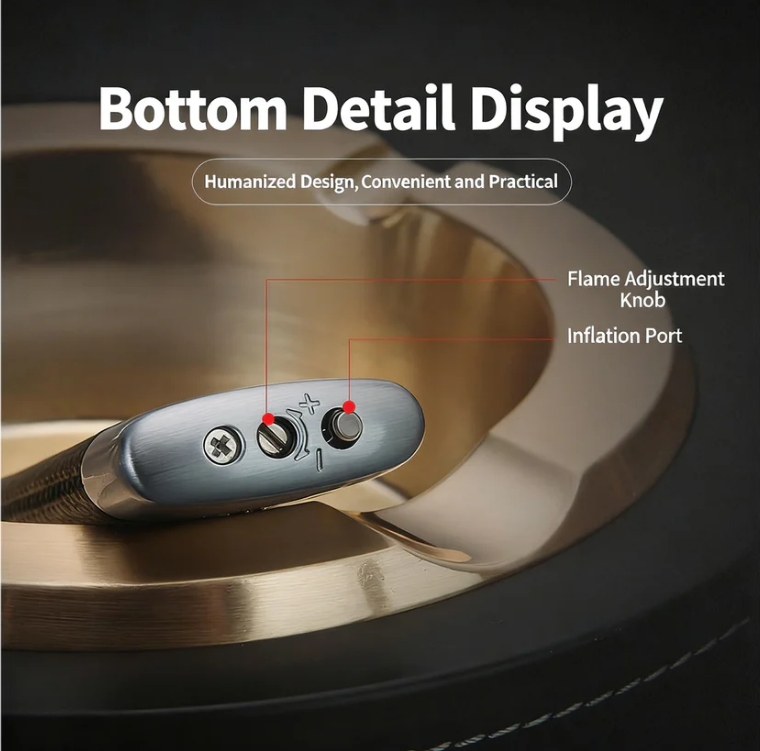
Look for lighters with adjustable flame control to tailor the heat for different tasks, from lighting stoves to campfires.
Prioritize safety features like child locks and durable materials to ensure safe use, especially when camping with kids.
Always check your lighter before trips; ensure it is full and clean to avoid issues when you need it most.
Butane Gas Lighter Comparison
Use Cases
You will find many ways to use a butane lighter on your camping trip. Here are some common uses:
Lighting portable camping stoves for cooking meals.
Starting a campfire to keep warm or roast marshmallows.
Lighting candles or lanterns around your campsite.
You can set up your stove fast. You can get your fire going without fuss. And you can even light a candle for extra light at night. A butane lighter makes all these tasks simple and quick.
Key Features for Camping
Windproof and Waterproof
You want your lighter to work when the weather gets rough. Windproof and waterproof features make a huge difference. If you camp in unpredictable conditions, these features help you start a fire without frustration.
Tip: Choose a lighter with sealed components or moisture-repelling materials. You’ll have peace of mind if your gear gets wet.
Refillable and Adjustable Flame
Refillable lighters save you money and reduce waste. You can use them for years if you refill them with high-purity butane and maintain them well. Adjustable flame control lets you tailor the intensity for different tasks. You might need a strong flame for windy nights or a gentle one for lighting a stove. Always purge old gas before refilling to keep your lighter working smoothly.
Here’s what you should do:
Pick a refillable model for long-term use.
Adjust the flame height based on your needs.
Purge before refilling for best performance.
Safety and Durability
Safety matters, especially if you camp with kids. Look for child-resistant designs and lighters with adjustable flames. High-grade plastic or metal makes your lighter tough enough for outdoor adventures. Many top models meet ISO certifications, which means they follow strict safety standards.
Quality Factor | High-Quality Butane | Low-Quality Butane |
|---|---|---|
ISO Certification | Meets ISO 14458 | No certification |
Size and Portability
You don’t want bulky gear weighing you down. Compact lighters fit easily in your pocket or pack. Most weigh around 50 grams, so you barely notice them. Some models have extended burner heads for precise lighting. If you hike or backpack, portability is key.
Feature | Description |
|---|---|
Compact Design | Fits easily into gear |
Weight | 50g (1.8 oz) |
Extended Burner Head | Provides precision and ease of use |
A Butane Gas Lighter with these features helps you enjoy camping without hassle.
Choosing the Right Lighter
Match to Camping Style
You want a lighter that fits your camping style. Some campers love rugged adventures. Others prefer a cozy night by the fire. The right lighter makes your trip easier and safer. Check out this table to see what matters most:
Factor | Description |
|---|---|
Flame Type | Torch flames light fires fast. Soft flames work well for gentle tasks. |
Ignition Mechanism | Piezo-electric igniters start easily. Flip-top lids protect the spark. |
Fuel Capacity | Bigger tanks mean fewer refills. Make sure your lighter fits common butane. |
Build Material | Metal lighters last longer. Rubber grips help you hold on, even if it’s wet. |
Length | Longer lighters reach deep fire pits. Standard sizes work for most needs. |
Safety Features | Child locks and auto-shutoff keep you safe. |
Weather Resistance | Windproof and water-resistant lighters work best outdoors. |
Tip: If you camp in windy or wet places, pick a windproof and water-resistant lighter. For deep fire pits, a long-reach tip helps a lot.
Solo vs. Group Needs
Are you camping alone or with friends? Your answer changes what you need. If you camp solo, a compact lighter with a soft flame might be enough. You can slip it in your pocket and go. For group trips, you may want a bigger, refillable lighter. It lasts longer and works for many fires. Some campers bring a refillable 3-pack so everyone has a backup. If you cook for a group, a torch flame lights stoves and grills fast.
Solo campers: Choose small, easy-to-carry lighters.
Groups: Pick lighters with bigger tanks or bring extras for everyone.
Care and Safety Tips
Outdoor Use
You want your camping trip to be safe and fun. Using a butane gas lighter outdoors means you need to pay attention to a few important rules. Always keep your lighter away from open flames. Butane is highly flammable, so you don’t want any accidents. Never inhale butane gas. Breathing it in can cause serious health problems. Store your butane canisters in a cool, dry spot. If you drop or mishandle them, leaks can happen. Never puncture or burn empty butane containers. That can lead to explosions.
Here’s a quick safety checklist for outdoor use:
Don’t use butane near open flames.
Avoid inhaling butane gas.
Store butane in a safe, dry place.
Handle canisters with care.
Never puncture or incinerate containers.
Tip: Always use your butane stove or lighter in a well-ventilated area. Keep kids and pets away from hot surfaces, and never leave a fire or stove unattended.
Maintenance and Refilling
Taking care of your lighter helps it last longer. You should drain and refill the gas tank every so often. This keeps the rubber O-ring from getting hard and leaking. Try lighting the flame at different heights. This stops the gas filter sponge from hardening. Always use high-quality butane fuel. Never overfill your lighter. Follow the instructions from the manufacturer.
Maintenance steps:
Drain and refill the gas tank regularly.
Ignite the flame at different settings.
Use proper fuel and avoid overfilling.
Read the user manual before refilling.
Note: Check for leaks before each use. Mix soap and water, then brush it on the nozzle. If you see bubbles, you have a leak.
Storage and Transport
You want your lighter to stay safe when you travel. Store butane lighters in a dry, cool place. Keep them away from sunlight and heat. Make sure the container isn’t damaged. This prevents leaks and keeps everyone safe. When you finish your trip, return empty butane cans to a retailer for recycling. Burning off most of the solvent before disposal helps protect the environment.
Aspect | Consideration |
|---|---|
Fuel Efficiency | Burns cleanly and efficiently, less wastage. |
Emissions | Produces minimal smoke and greenhouse gases. |
Waste Generation | Recycle empty canisters to prevent pollution. |
🌱 Remember: Proper storage and disposal keep your gear safe and help the environment.
You have lots of great options for your next camping trip. Here’s a quick look at what matters most:
Feature | Why It Matters |
|---|---|
Durability | Handles rough outdoor use |
Flame Control | Lets you adjust heat for any task |
Wind Resistance | Keeps your fire going in tough weather |
Safety Features | Protects you and your group |
Pick the Butane Gas Lighter that fits your style. Keep it clean and use high-quality fuel for the best results. Stay safe, and enjoy hassle-free campfires every time!
FAQ
How do you refill a butane gas lighter?
You just hold the lighter upside down. Insert the butane nozzle into the refill valve. Press down for a few seconds. Wait a minute before using it. Always use high-quality butane for best results.
Can you use a butane lighter in cold weather?
Butane lighters may struggle below freezing. The gas does not vaporize well in cold air. You can keep your lighter warm in your pocket. For extreme cold, try a plasma or liquid fuel lighter.
What should you do if your lighter won’t ignite?
First, check the fuel level. Clean the nozzle with a soft brush. Try adjusting the flame height. If it still does not work, refill with fresh butane. Replace the flint if your model uses one.
Are butane lighters safe for kids to use?
Most butane lighters have child-resistant features. You should always supervise kids around fire. Teach them safety rules. Store lighters out of reach when not in use.
How long does a butane lighter last on one refill?
A typical butane lighter gives you about 300 ignitions per refill. The exact number depends on flame size and usage. You can extend its life by using short bursts and keeping the lighter clean.