
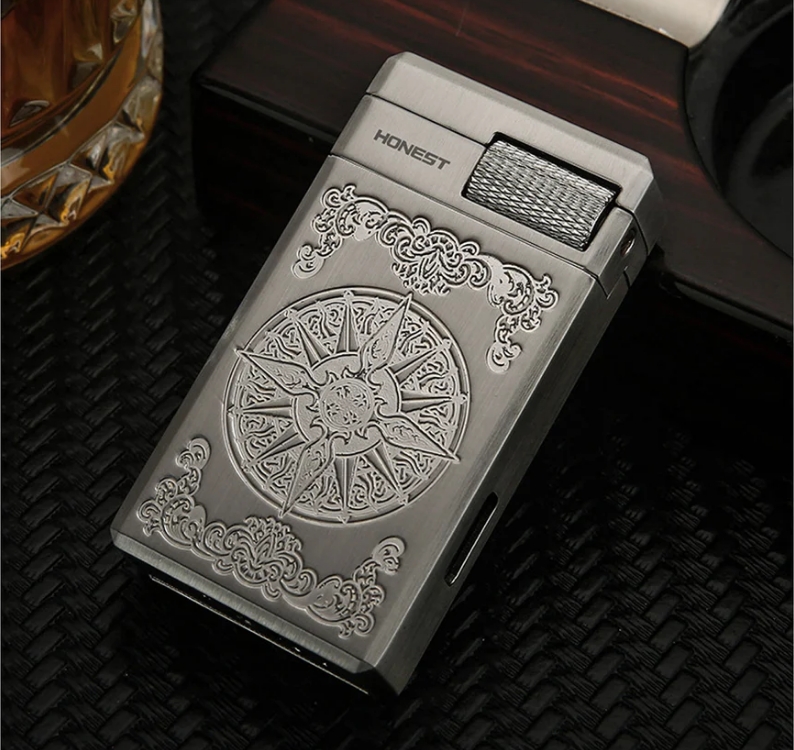
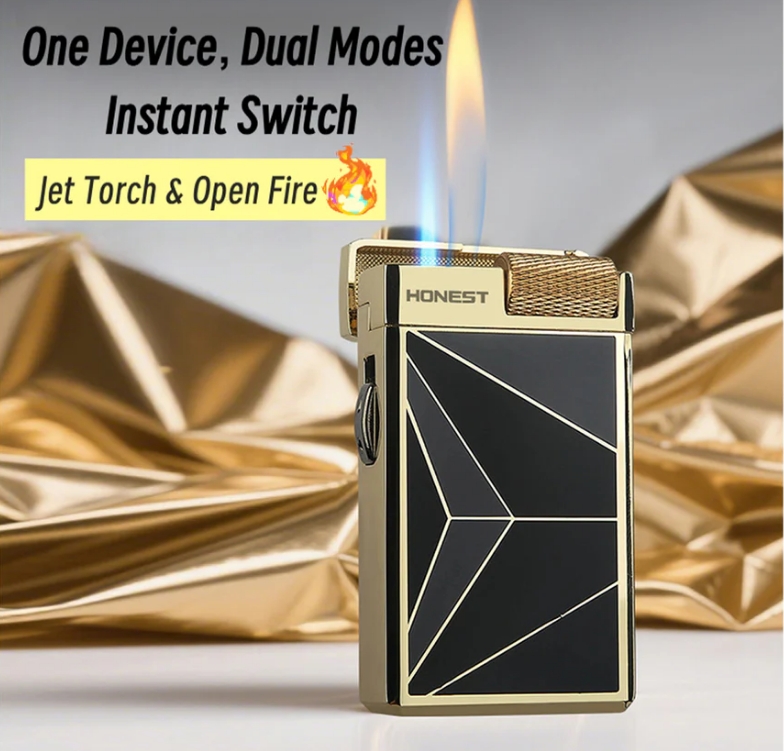
You want a Windproof Butane Lighter that actually works when you’re out camping. In 2026,Honest Windproof Butane lighters stand out because they handle wind, last through rough weather, and offer easy ignition. Outdoor experts use several tests, like blowing out a candle with 3-5 mph wind or using a hairdryer at 40 mph, to check wind resistance. Here’s what matters most when choosing:
Criteria | Description |
|---|---|
Wind Resistance | Handles windy conditions so you can light a fire anywhere. |
Safety Features | Keeps you safe with child locks and steady bases. |
Usability in Various Conditions | Works in cold, damp, and windy places. |
Flame Performance | Gives you a steady flame every time. |
Durability | Built tough for outdoor adventures. |
Design | Feels good in your hand and looks cool. |
User Preferences | Easy ignition and flame type make a difference. |
Key Takeaways
Choose a windproof butane lighter for reliable ignition in tough weather conditions. Look for models with jet flames or plasma arcs for the best performance.
Consider safety features like child locks and easy ignition mechanisms. These features help prevent accidents and ensure safe usage during outdoor adventures.
Evaluate the lighter’s durability and weather resistance. A sturdy design and windproof capabilities are essential for camping in unpredictable environments.
Look for refillable lighters to save money and reduce waste. Models with clear fuel windows help you monitor fuel levels easily.
Select a lighter that fits your needs and preferences. Think about portability, ease of use, and the specific conditions where you’ll be camping.
How We Tested Windproof Butane Lighters
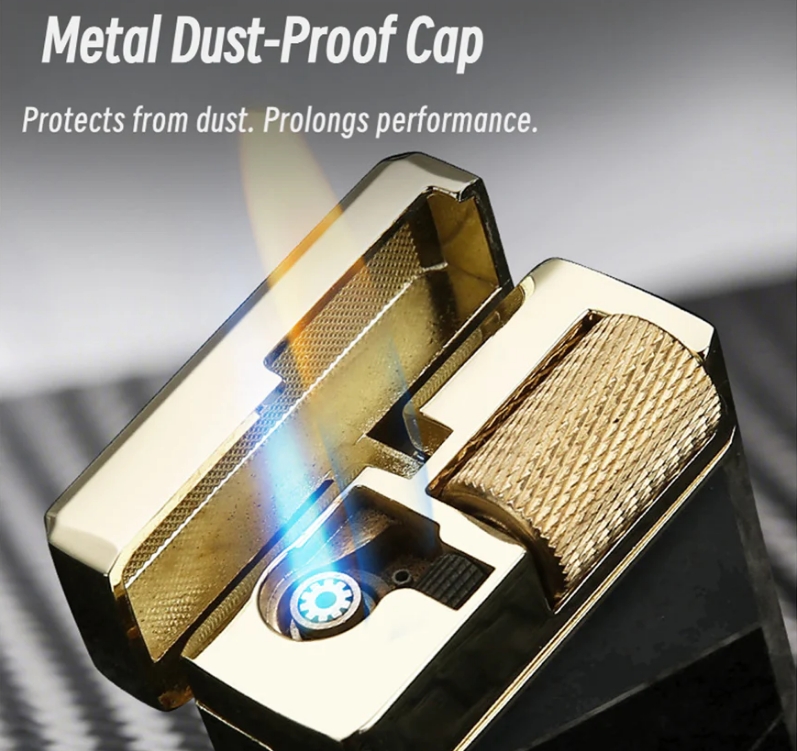
Wind and Weather Resistance
You want your lighter to work when the wind picks up or the rain starts falling. To test wind resistance, we tried lighting each model in strong crosswinds up to 40 km/h. We also checked performance at 15°C and at simulated high altitudes, just like you’d find at a cliffside campsite. For weather, we dunked lighters in water for five seconds, dried them off, and then tried to light them. We also blew on the flame, starting with gentle puffs and moving to stronger gusts. This way, you know which lighters can handle tough outdoor conditions.
Test Type | Description |
|---|---|
Soak Test | Submerged the lighter in water for 5 seconds, then attempted to light it after drying. |
Reliability Test | Struck each lighter 200 times to record how many times it lit successfully. |
Wind Test | Attempted to blow out the lighter after lighting it, starting with light blows and increasing force. |
Tip: If you camp in windy or wet places, choose a lighter that passes these tests.
Durability and Build Quality
You need a lighter that survives drops and rough handling. We checked for sturdy casing, refillable fuel tanks, and heat-resistant parts. Lighters made from stainless steel, zinc alloy, or brass resist corrosion and stand up to impacts. Jet flame models cut through wind and last longer outdoors. If you want your lighter to last season after season, look for these features.
Sturdy casing protects the inside.
Refillable tanks mean less waste.
Heat-resistant parts keep working after many uses.
Ease of Use and Refilling
You don’t want to struggle with refilling your lighter. During tests, we found common problems like air pockets, leaks, and clogged nozzles. To refill, flip the lighter upside down, release trapped air, inject butane, and let it warm up before using. Regular cleaning helps prevent blockages. These steps make sure your lighter works when you need it most.
Check for air pockets and release them.
Refill with butane carefully.
Wait for the lighter to warm up before lighting.
Note: A Windproof Butane Lighter that’s easy to refill saves you time and hassle.
Safety and Reliability
You want to stay safe while using your lighter. Always ignite away from flammable materials and keep your hands and face clear. Use the adjustable flame to avoid overheating. Never leave the flame unattended. These safety habits help prevent accidents and keep your outdoor adventures fun.
Ignite away from anything that can catch fire.
Keep a safe distance from your body.
Adjust the flame as needed.
Never walk away from a burning lighter.
Choosing a Windproof Butane Lighters
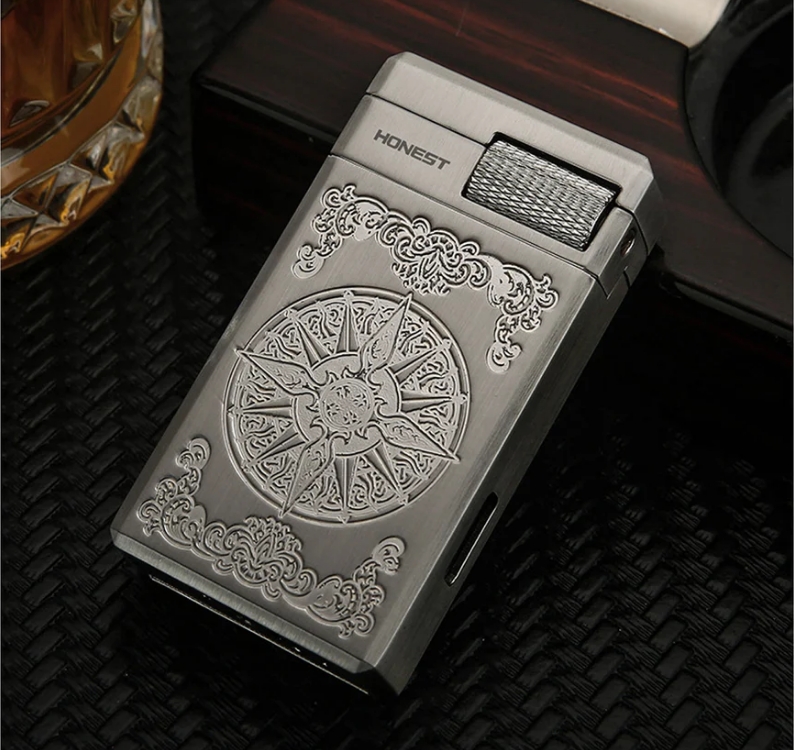
When you pick a Windproof Butane Lighter for your next adventure, you want something that works every time. Here’s what to look for so you can light a fire, even when the weather turns wild.
Weather Resistance
You never know what the outdoors will throw at you. Some lighters can handle wind, rain, and even freezing cold. Check out this table to see how weather resistance makes a difference:
Feature | Description |
|---|---|
Windproof Flame | Stays lit in winds up to 70-80 mph. |
Water Resistant | Rubber O-ring seals keep water out when closed. |
Extreme Environment Performance | Works in freezing temps (down to -40°F) if you keep it above freezing before use. |
Tip: If you camp in wet or windy places, choose a lighter with strong seals and a windproof flame.
Portability and Weight
You want to keep your pack light. Most windproof lighters for backpacking weigh about 50g (1.8 oz.), like the SOTO Pocket Torch. This weight won’t slow you down, so you can carry it anywhere.
Refillability and Fuel Efficiency
Refillable lighters save you money and reduce waste. Look for models with clear fuel windows, so you know when to top up. Efficient lighters use less fuel, which means fewer refills on long trips.
Safety Features
Safety matters, especially if you camp with kids. Look for these features:
Child-resistant locks to stop accidental ignition.
Safety locks or two-step ignition for extra protection.
Easy-to-use designs that don’t slow you down.
Price and Warranty
You don’t have to spend a fortune. Budget models work for short trips, but pricier lighters often last longer and come with warranties. Always check if the lighter has a warranty, so you’re covered if something goes wrong.
Remember: The best lighter for you depends on your needs. Think about where you’ll camp, how much you want to carry, and who will use the lighter.
You have plenty of choices when picking a Windproof Butane Lighter for your next adventure. Torch lighters work best for campers who need strong flames for cooking. Pocket lighters fit easily in your hand and pocket, making them great for backpackers. If you want durability, look for metal alloy bodies and refillable fuel chambers.
Wind-resistant flames help you light fires in tough weather.
Compact designs make carrying easy.
Fuel efficiency and simple refilling save you time.
Think about where you’ll use your lighter and what matters most to you. For more tips, check guides on windproof capabilities, durability, and fuel efficiency before you buy.
FAQ
How do you refill a butane lighter?
You flip the lighter upside down. Press the refill nozzle into the valve. Hold for a few seconds. Wait a minute before using. Always use high-quality butane for best results.
Can you use these lighters in the rain?
Most windproof butane lighters work in light rain. Waterproof models like Green Vivid and Dark Energy Plasma keep working even when wet. Always close the lid tightly after use.
What makes a lighter windproof?
A windproof lighter uses a jet flame or plasma arc. These flames burn hotter and faster. Wind can’t blow them out easily. You get reliable ignition outdoors.
Are USB rechargeable lighters safe for camping?
Yes, USB rechargeable lighters are safe. You just need to charge them before your trip. They don’t use fuel, so you avoid leaks. Always pack a power bank for longer adventures.