
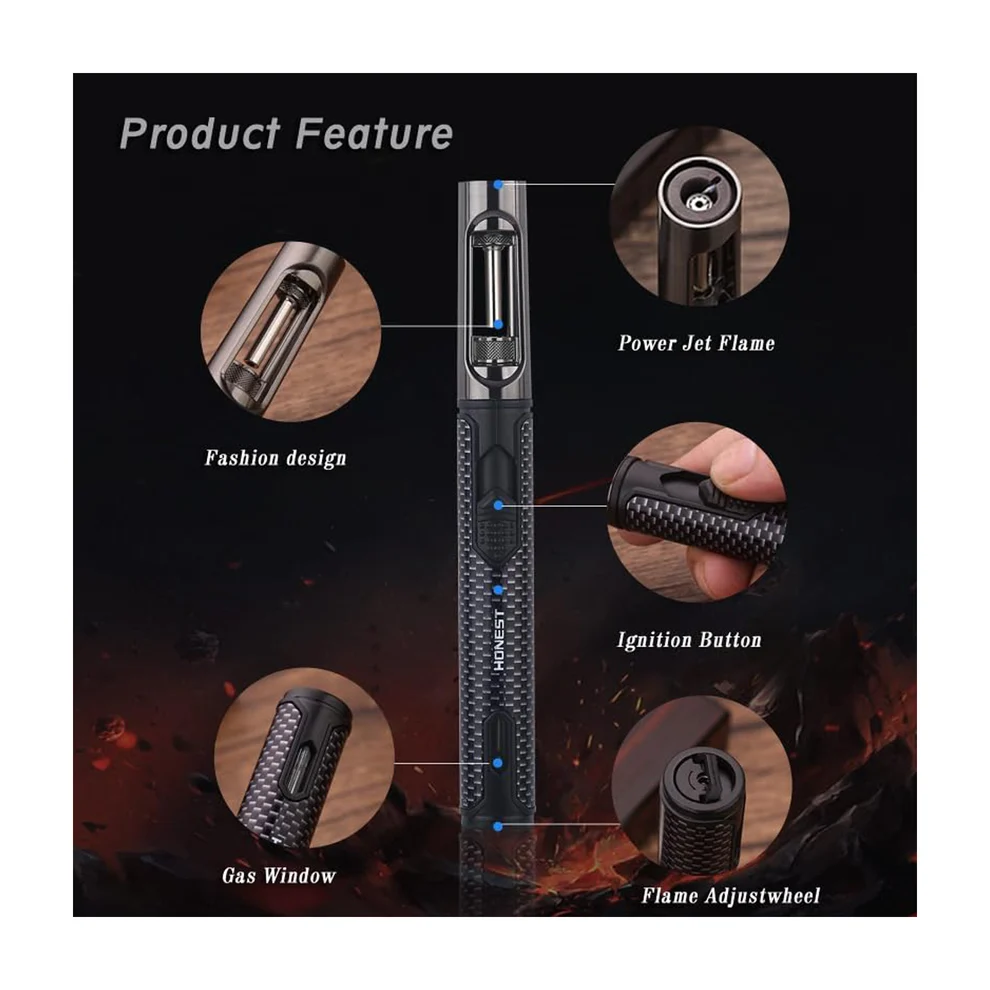
Refilling a butane torch sounds easy. But a bad refill can cause leaks, sudden flare-ups, or burns. A torch that never holds fuel is useless. Getting it right means knowing when to refill, using the right tools, following exact steps, and sticking to safety rules. Common mistakes are easy to avoid once you know them. No special skills required. With the right technique, refilling your Refillable Butane Torch becomes quick, cheap, and repeatable. You can count on a steady flame and no leaks. Do it right every time to save money and stay safe.
Key Takeaways
Always refill your torch in a well-ventilated area away from heat and flames.
Let your torch cool completely for at least 15 minutes before you start refilling.
Purge trapped air from the tank first to prevent sputtering and weak flames.
Fill the torch upside down and stop when the flow slows to avoid overfilling.
Use high-quality butane and clean the valve regularly to keep your torch working safely.
Butane Basics and Refill Timing
What Butane Does in a Torch
Butane is the compressed fuel inside your torch. It sits in a sealed tank under pressure. When you press the ignition, a small amount of butane releases through the fuel valve. That liquid turns into gas almost instantly. The gas mixes with air and burns as a steady flame.
This quick change from liquid to gas happens because butane has a low boiling point and high vapor pressure. Butane boils at 30.2°F. That means it vaporizes fast once it leaves the pressurized canister. This property makes butane ideal for torch applications that need a consistent flame. Your torch depends on this behavior every time you use it.
The fuel valve and tank work together as a system. The tank holds the compressed liquid. The valve controls how much gas escapes. A proper refill depends on understanding both parts. If the valve is dirty or the tank is not sealed right, you lose fuel and performance.
Signs Your Torch Needs a Refill
Your torch will tell you when it runs low. The flame may look weak or sputter. You might notice it takes longer to ignite. Sometimes the flame dies out quickly after you light it. These are clear signals that the tank is nearly empty.
Another sign is simple time. If you have not refilled your torch in a long while, go ahead and top it off. Refilling before the torch is completely empty can actually help performance. You avoid the sputtering and weak flames that come with a nearly dry tank.
Always follow the manufacturer’s instructions for your specific model. Every refillable butane torch has its own refill recommendations. Some models prefer a full purge before each refill. Others work fine with a simple top-off. Check your manual first. That small step keeps your torch running strong and safe.
Prepare Your Refillable Butane Torch
Tools and Fuel You Need
Gather your supplies before you start. You need a few simple items:
A high-quality butane canister that fits your torch model
A small tool, like a screwdriver or pick, for purging the valve
A clean cloth for wiping the valve and catching drips
Only use high-quality butane fuel. Cheap fuel often contains impurities. Those impurities clog the fuel valve over time. They also cause a weak or sputtering flame. Quality butane keeps your torch working properly and extends its life. Check the canister label for purity ratings. Most torch makers recommend butane that is at least triple-refined.
Your canister nozzle must match the fuel valve on your torch. Most torches use a standard nozzle size. Some models need an adapter. Read your manual to confirm the right fit. A mismatched nozzle wastes fuel and makes a proper seal impossible.
Set Up a Safe Workspace
Pick a well-ventilated area for your refill. Butane fumes are harmful to breathe. Good airflow keeps the gas concentration low. According to OSHA guideline 1910.110(a)(13), adequate ventilation means keeping gas concentration at or below 25% of the lower flammable limit. Open a window or work outdoors. Never refill in a closed garage or small room.
Keep your workspace away from heat sources, sparks, and open flames. Your torch must be turned off and fully cooled before you begin. A warm torch can ignite butane during the refill. OSHA 1910.110(b)(14)(viii) states that fuel containers should be gaged and charged only in the open air or in buildings especially provided for that purpose. If you refill near a mechanical ventilation air intake, keep the filling connection at least 10 feet away, per OSHA 1910.110(b)(14)(vii).
Store your butane canisters in a cool, dry place. Keep them away from heat and out of reach of children. A safe storage spot protects your fuel and your household.
Step-by-Step Refill Process
Power Down and Cool
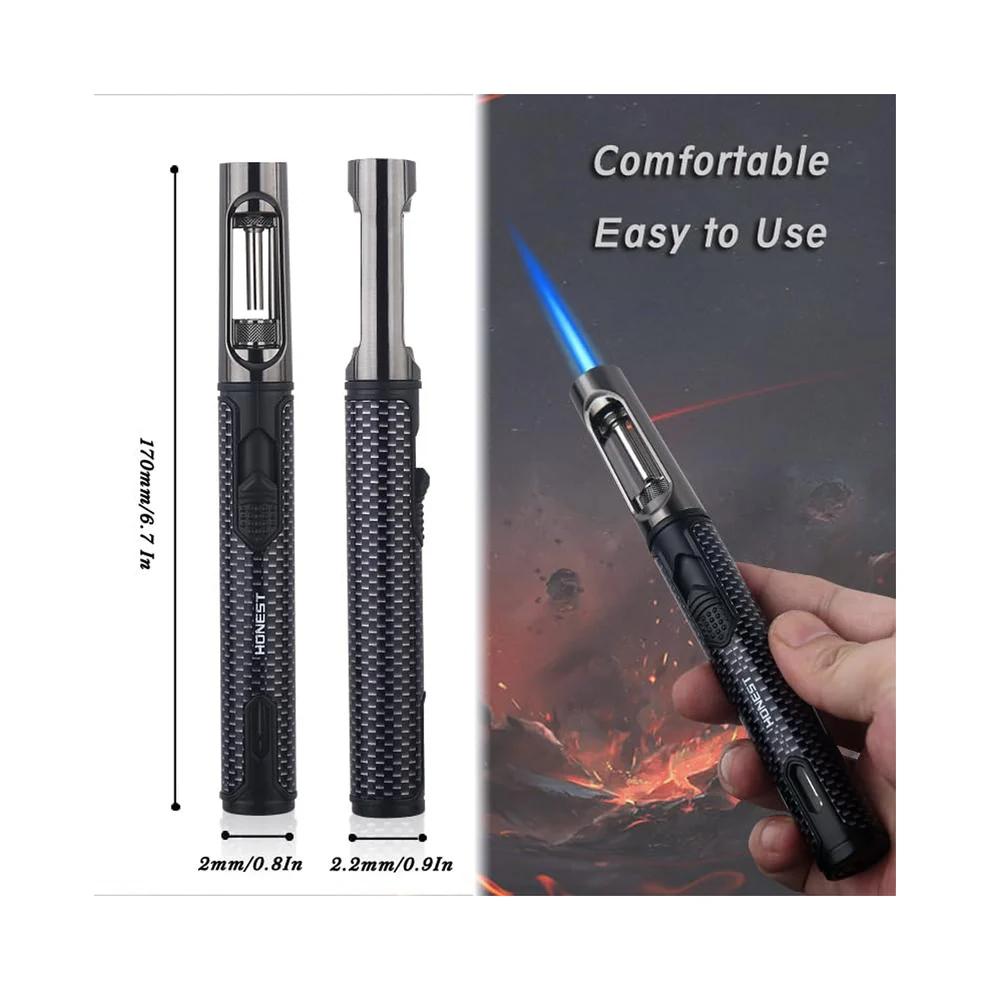
Step one is simple. Turn your torch off completely. Let it cool down before you touch the fuel valve. A hot torch can ignite butane the moment it leaves the canister. That risk is real and easy to avoid.
How long should you wait? According to Mojovibe’s safe refilling guide, you should let the torch cool for at least 5 to 10 minutes. Puretane’s safety guide takes a more cautious approach. It recommends waiting at least 15 minutes before you refill. A full cool-down before storage can take 15 to 30 minutes depending on how long you used the torch. When in doubt, give it more time. You cannot over-cool a torch.
Purge, Fill, and Test
Now you are ready to work. Follow these steps in order.
Locate the fuel valve. It usually sits on the bottom of the torch. Wipe it with your clean cloth. Make sure no debris or dust blocks the opening.
Purge the torch. Press the refill valve with your small tool. You will hear a hiss as trapped air and gas escape. This step prevents incomplete filling and poor performance. Skipping it is one of the most common refill mistakes.
Turn the torch upside down. The refill valve should point upward. This position lets liquid butane flow properly into the tank.
Insert the canister nozzle vertically into the fuel valve. Press firmly to create a tight seal. Do not shake the canister before or during filling. Shaking causes bubbles and uneven flow.
Hold the canister in place. One source recommends holding for 3 to 4 seconds and repeating if needed. Another suggests 5 to 10 seconds, or until the tank is full. Either way, stop when you hear the flow slow. Overfilling causes leaks, spray, and damage to your Refillable Butane Torch.
Wait a few minutes. Excess butane needs time to evaporate. Let the torch reach room temperature before you test it.
Test the torch with a small flame. A strong, steady flame confirms a proper refill. A weak or sputtering flame means you need to check the valve or try again.
A few extra tips keep your Refillable Butane Torch in good shape. Clean the fuel valve regularly. Store the torch in a cool, dry place. Replace worn torches or canisters when they show signs of damage. When you shop for a new torch, look for a quality fuel valve, a sturdy body, and clear manufacturer refill instructions. Those features make every refill easier and safer.
Safety, Mistakes, and Maintenance
Common Mistakes to Avoid
Always refill in a well-ventilated area. Butane fumes are harmful to breathe. Good airflow keeps gas concentration low. If you smell butane during or after refilling, move to fresh air right away. Then check your torch for leaks. A leaky valve wastes fuel and creates a fire risk.
Chronic inhalation of butane can damage the liver, kidneys, and peripheral nerves in addition to the brain. Some people also develop lasting respiratory problems due to lung irritation and tissue damage.
The table below shows what long-term exposure can do to your body.
Affected Area | Long-Term Health Effects |
|---|---|
Brain | Persistent memory and learning difficulties; chronic anxiety, depression, and mood swings |
Nervous system | Nerve damage causing weakness or tingling sensations |
Liver | Organ damage from chronic inhalation |
Kidneys | Organ damage from chronic inhalation |
Respiratory system | Lasting breathing problems due to lung irritation and tissue damage; frostbite, swelling, or chemical pneumonia from inhaling pressurized cold butane |
General | Sleep disruptions, appetite changes, and increased risk of substance use disorder |
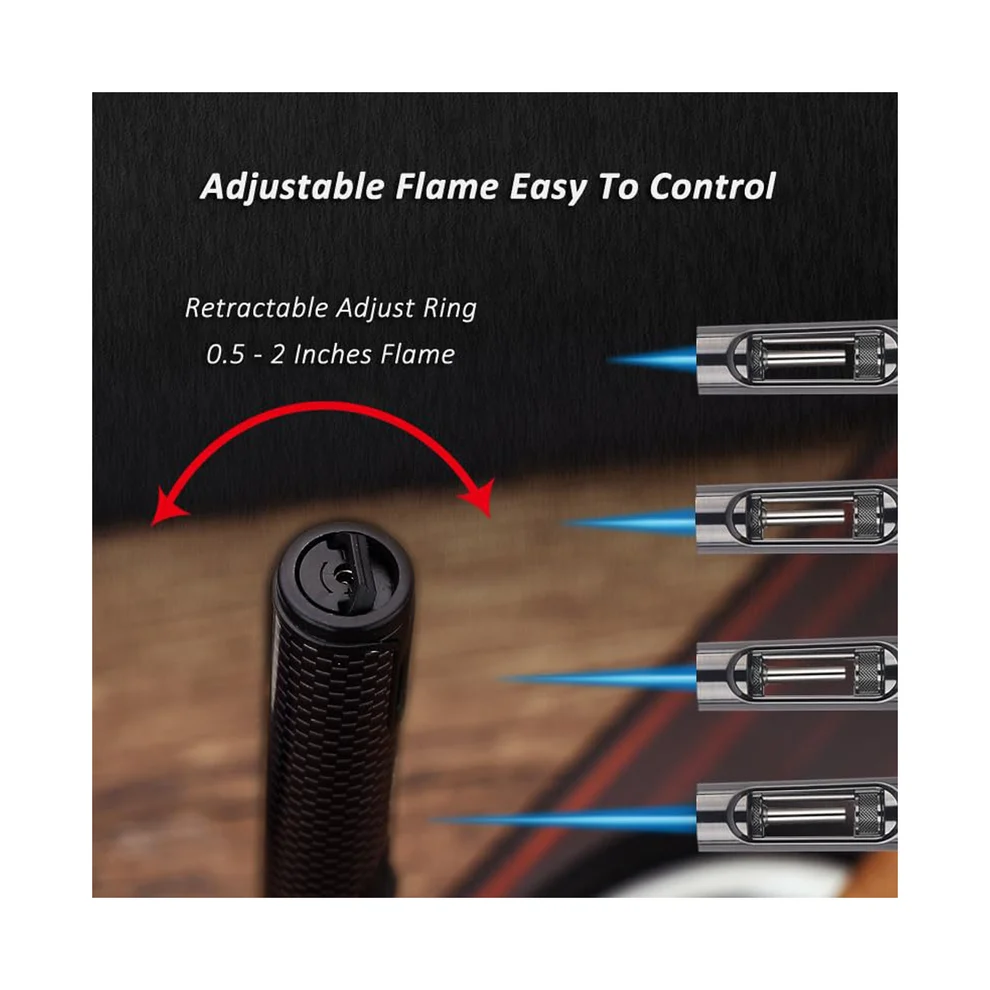
Several common mistakes ruin a refill. Skipping the purge traps air inside the tank. Overfilling causes leaks and spray. Shaking the canister creates bubbles and uneven flow. Refilling a warm torch risks ignition. Using low-quality butane clogs the valve with impurities. Avoid all five, and your refill will go smoothly.
How do you know the tank is full? The flow slows or stops. The torch feels heavier in your hand. After testing, the flame burns strong and steady. If the flame sputters, purge and try again.
A few pro tips keep your Refillable Butane Torch running for years. Clean the fuel valve regularly with a dry cloth. Store the torch in a cool, dry place. Replace worn torches or canisters when they show damage. These small habits prevent big problems.
Choosing the Right Refillable Butane Torch
Not every torch refills well. Consumer testing reveals big differences between models. The table below compares three popular options.
Torch Model | Consumer Testing Result | Refill Frequency | Safety / Usability Notes |
|---|---|---|---|
Whip-It Motif | Top performer in Wirecutter testing; adjustable, safe, containable flame; caramelized in about 2 minutes, chars tomatoes/peppers in under 2 minutes, melts cheese in 1 minute | Needed refilling about every 16 minutes | Comfortable one-hand ignition and flame adjustment; should be cleaned after refilling to remove butane drippings; keep away from children and store away from stove |
Zippo FireFast Torch | Performed worse in testing; took nearly 7 minutes for oatmeal and 3 minutes for grapefruit, with less consistent results | Needed refilling about every 3.5 minutes | Ignition button requires pointer finger and becomes painful after about 30 seconds |
Bernzomatic TS8000 | Powerful and adjustable; recommended for searing sous vide meat, but overwhelming for small kitchen tasks | Easier and less frequent refills due to propane canister attachment | Flame size can be intimidating for beginners; not ideal for indoor use in a small kitchen |
Look for three things when you shop. First, a quality fuel valve that seals tight. Second, a sturdy body that survives drops. Third, clear manufacturer refill instructions. A good Refillable Butane Torch makes every refill easier and safer. Skip the cheap models. They cost more in the long run.
Refilling your torch the right way saves you money and keeps you safe. You get a reliable flame every time you need it. You also avoid burns, leaks, and dangerous flare-ups. The whole process becomes simple once you make these steps a habit. Always prepare your workspace first in a well-ventilated area away from heat. Follow each step carefully in order. Don’t skip the purge. Don’t rush the cool-down. Replace any worn torch or canister right away when you notice damage. A quality Refillable Butane Torch makes the entire job easier and more reliable. With the right technique, you can refill safely every single time. No guesswork needed. No danger. Just a steady flame and total peace of mind.
FAQ
Can I use any brand of butane in my torch?
Stick with high-quality, triple-refined butane. Cheap fuel has impurities that clog the valve over time. Your torch runs better and lasts longer with clean fuel.
Why does my torch sputter after a refill?
You likely skipped the purge. Trapped air inside the tank blocks the flow. Press the refill valve with a small tool until the hissing stops. Then try again.
How do I know when the tank is full?
The flow slows down or stops. Your torch feels heavier. After you test it, the flame burns strong and steady. Stop before overfilling to avoid leaks.
Is it safe to refill a warm torch?
No. A hot torch can ignite the butane. Let it cool for at least 15 minutes before you start. Wait longer if you used it for a long session.
What should I do if I smell butane?
Move to fresh air right away. Check your torch for leaks at the valve. Fix or replace the torch before you use it again. Safety comes first.