
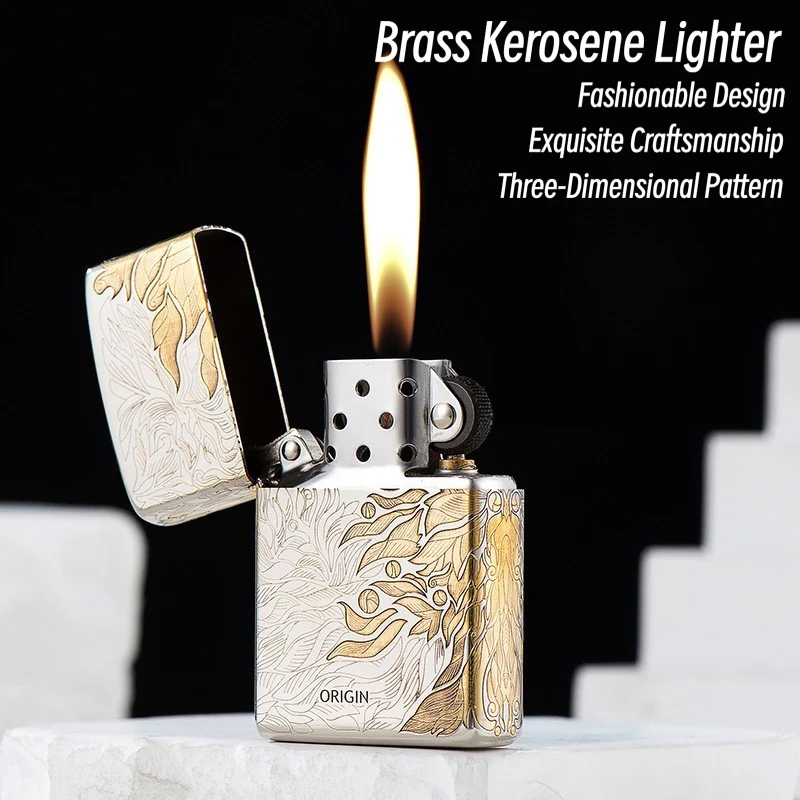
Most lighters are not designed to be kept. They are designed to be used until they stop working, then replaced without a second thought. That is not a flaw in the product. It is the product’s purpose.
Disposable lighters are constructed from mixed plastic and metal, fueled by fossil-based butane, and built around a single assumption: that the object will be discarded[reference:0]. More than 1.5 billion disposable lighters are sold globally each year, and most are thrown away within weeks[reference:1]. The design works exactly as intended—for the manufacturer, for the retailer, and for the rhythm of a culture that treats small objects as temporary by default.
A metal refillable lighter belongs to a different category entirely. It is not a better disposable lighter. It is an object built around a different premise: that the thing should stay, and the parts should be renewed.
That distinction matters more in 2026 than it did a decade ago. Not because metal is inherently virtuous, but because the way people think about ownership is shifting.
“Engineered for Obsolescence” Is a Design Choice
A disposable lighter is a small, elegant piece of engineering. It produces a flame reliably, cheaply, and at scale. But its materials are chosen for cost and manufacturability, not for service life. The plastic body cannot be opened and repaired. The fuel chamber cannot be refilled. When the ignition fails or the fuel runs out, the entire object becomes waste.
This is not an accident of poor quality. It is a deliberate architecture. A product designed to be discarded does not need a replaceable flint, a serviceable valve, or a body that resists corrosion for years. Those features would add cost and complexity to something that is meant to disappear.
Metal lighters are built on the opposite architecture. A refillable butane lighter has a valve. A flint-based metal lighter has a replaceable flint and wick. The body is not a sealed shell—it is a housing for components that can be accessed, cleaned, and renewed. The object is designed to be participated in, not simply consumed[reference:2].
What Metal Changes
The material itself is only part of the story. What matters is what the material makes possible.
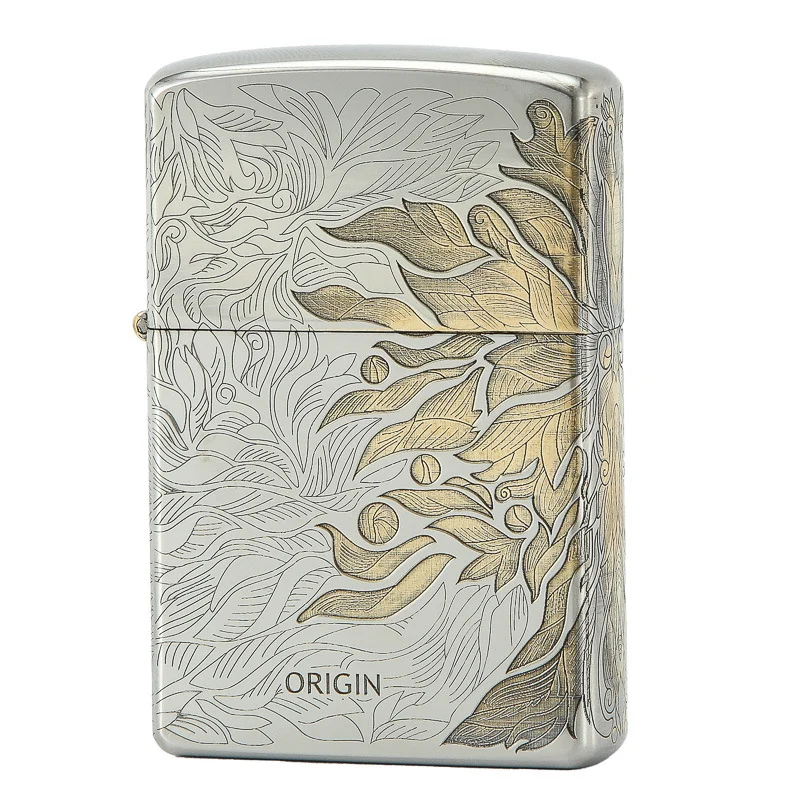
Metal resists the failure modes that end a disposable lighter’s life. A plastic shell cracks when dropped on concrete. A metal shell absorbs the impact and keeps its shape[reference:3]. Plastic warps in a hot car and becomes brittle in cold weather. Metal remains dimensionally stable across temperature swings. A disposable lighter’s hinge is molded into the plastic body and cannot be tightened. A metal lighter’s hinge is a mechanical assembly that can stay tight for years.
More importantly, metal allows for serviceability. A metal body can be opened. A valve can be cleaned. A flint can be replaced. A seal can be swapped. The object does not need to be perfect from the factory—it needs to be correctable in the hand.
This is the same logic that drives the r/BuyItForLife community, now more than 3.4 million members strong: people are actively seeking objects that can stand the test of time, not because they are nostalgic, but because they are tired of replacing things that were never meant to last[reference:4]. The BIFL movement is not about cheapness. It is about the frustration of buying the same disposable object, over and over, and getting nothing durable in return[reference:5].
The Arithmetic of Keeping Something
A disposable lighter costs a dollar or two. A refillable metal lighter costs more upfront. On the surface, the disposable option looks cheaper. But that comparison only works if the metal lighter is also thrown away.
It is not. A refillable butane lighter can be refilled for a few dollars per canister, and a single canister provides multiple refills. A $10 metal torch lighter can last roughly 18 months with regular use and simple maintenance. Over the same period, a disposable user may go through a dozen or more lighters without thinking about it.
The same arithmetic applies to environmental cost. Every refillable lighter that stays in service is one less plastic-and-metal shell in a landfill. Disposable lighters are a small item by mass, but they are sold in the billions, and most are discarded within weeks[reference:6]. Refillable lighters do not eliminate waste entirely—they still use fuel and eventually reach end of life—but they change the ratio. Instead of replacing the object, you replace the consumable.
| Design Logic | Disposable Lighter | Metal Refillable Lighter |
|---|---|---|
| What gets replaced | The entire object | Fuel, flint, seals |
| Body material | Mixed plastic and metal | Alloy steel, zinc, aluminum, copper |
| Serviceability | None | Valve, jet, and flint accessible |
| Failure mode | Crack, leak, ignition death | Clog, worn seal, empty tank |
| Response to failure | Discard | Clean, refill, replace part |
| Ownership model | Consumption | Maintenance |
2026 Is Making Durability Hard to Ignore
The shift toward maintainable objects is not only a consumer preference. It is becoming a regulatory and cultural baseline.
The EU is preparing repairability and durability scores for adoption between 2026 and 2030, and the Digital Product Passport rollout begins in 2026, recording material composition, repairability, and lifecycle data[reference:7]. Longevity is moving from a marketing differentiator to a hygiene factor—something products are increasingly expected to demonstrate, not just claim[reference:8].
At the same time, EDC culture has shifted. The “buy once, carry forever” mentality has moved from a niche preference to a mainstream expectation. People are walking away from cheap alloy objects that last six months and paying more for machined metal pieces they expect to own for a decade[reference:9]. The disposable design problem is no longer invisible. It is the thing consumers are actively trying to avoid.
Where honest-lighter.com Fits
honest-lighter.com builds metal lighters around the maintainable-object logic. The core product line uses alloy steel, zinc, aluminum, and copper, with surface treatments designed to resist corrosion and wear[reference:10]. The internal architecture—titanium alloy liner, honeycomb pressure regulator—is engineered for stable ignition over repeated use, not for a single fuel cycle[reference:11].
The goal is not to make a lighter that never fails. The goal is to make a lighter that does not need to be discarded when something small goes wrong. A clogged jet can be cleaned. A worn seal can be replaced. A flint can be swapped. The body stays. The object continues.
That is the difference between a disposable lighter and a metal refillable lighter. One is designed around replacement. The other is designed around continuation.
“A product you can repair is a product you can keep. A product you can keep is a product that can become yours.”
The Smallest Object in the Room
A lighter is not a phone. It is not a car. It does not require a supply chain of software updates or a service network. But that is exactly why it is a useful place to start. The disposable design problem is easiest to see in small things, and easiest to reject in small things.
You do not need to overhaul your life to choose an object that can be maintained. You only need to decide that the thing in your pocket is worth keeping.
Explore the metal refillable lighter collection at honest-lighter.com and choose an object built around continuation, not disposal.
FAQ
Is a metal lighter actually more durable than a plastic one?
Yes, in the ways that matter for service life. Metal resists cracking, warping, and hinge failure better than plastic. More importantly, metal lighters are designed to be refilled and repaired, so the body does not need to be replaced when a consumable part wears out.
Do metal lighters require a lot of maintenance?
No. Basic maintenance takes minutes: refill with butane, clean the jet occasionally, replace a flint or seal when needed. That small routine is what allows the object to stay in service for years instead of weeks.
Is a refillable lighter better for the environment?
A refillable metal lighter reduces the frequency of disposal because the body is kept and the consumables are replaced. Disposable lighters are sold in enormous volumes and are typically discarded within weeks. Refillable designs are not zero-impact, but they change the ratio from “replace the object” to “replace the fuel.”
What is the “Buy It For Life” approach to lighters?
BIFL is a consumer movement focused on products that can stand the test of time through durable materials, repairable design, and long service life. A metal refillable lighter fits that model because it is built around maintenance and continuation rather than single-use replacement.
Why choose honest-lighter.com?
honest-lighter.com builds metal lighters with alloy steel, zinc, aluminum, and copper, engineered for refillability, ignition stability, and wear resistance. The focus is on a maintainable object that can stay in service, not a disposable product that is designed to be replaced.