
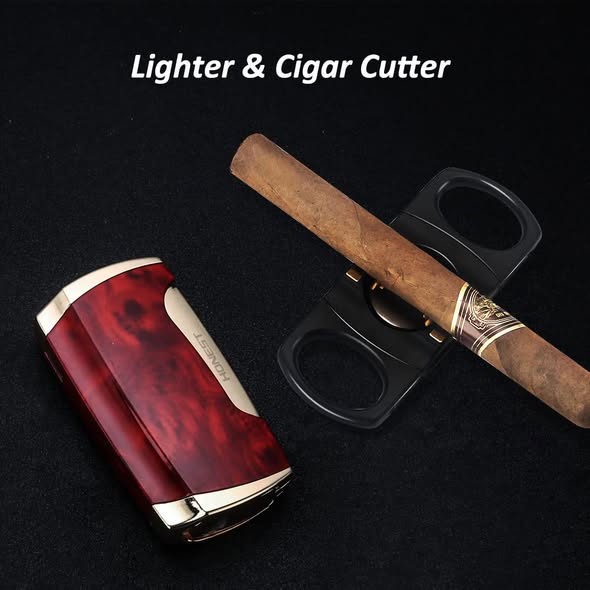
A Guide to the Different Types of Lighters and Their Everyday Uses
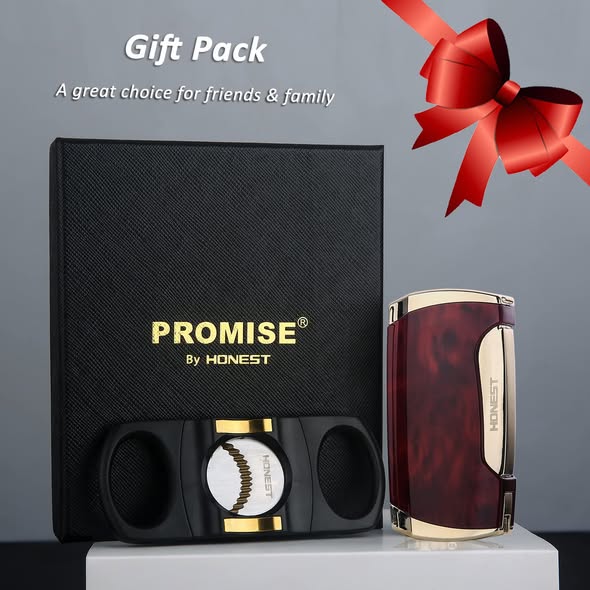
You will find many types of lighters in stores today. Each one works best for a special purpose. If you pick the right lighter, you can stay safe and make your daily tasks easier.
You also help protect the environment by choosing a lighter that lasts longer or uses less fuel. The right choice brings you both convenience and peace of mind.
Key Takeaways
Choose the right lighter based on your needs, whether for daily use or outdoor activities.
Consider eco-friendly options like refillable or electric lighters to reduce waste and save money over time.
Look for safety features, such as child-resistant designs, to prevent accidents and ensure safe usage.
Understand the different fuel types and flame styles to select a lighter that performs well in various conditions.
Keep your lighter clean and charged to extend its lifespan and maintain reliability.
Main Types of Lighters
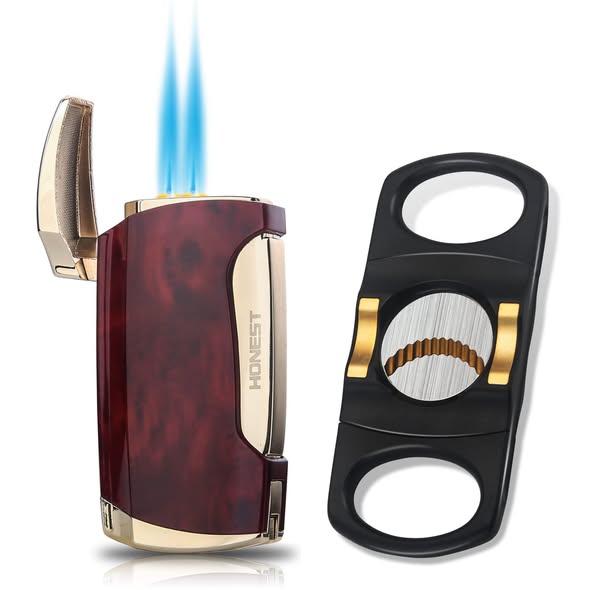
You will find several main types of lighters in stores. Each type has its own design, fuel source, and best uses. Some lighters are made for quick, single use. Others last longer and can be refilled or recharged. You can see the main categories and their features in the table below:
Category | Type |
|---|---|
Flint Lighter | Traditional |
Electronic Lighter | Rechargeable, eco-friendly |
Metal-bodied Lighter | Aesthetic appeal, durable |
You can choose from these types of lighters based on your needs. Each one works in a different way and fits different situations.
Disposable Lighters
Disposable lighters are the most common type you will see. You use them until the fuel runs out, then throw them away. Most disposable lighters have a plastic body and a small metal spark wheel. They use butane as fuel. The spark wheel creates a spark that lights the butane, making a small flame.
Materials used in disposable lighters include:
High-density plastics for the body
Metal spark wheel
Flint mechanism made of ferrocerium
Butane as the fuel
Steel components for strength
Delrin for the outer shell
You can use a disposable lighter up to 1,000 times before it stops working. Some brands, like BIC, can last for a year if you use them only a few times each day. Many people use disposable lighters for lighting cigarettes, candles, or small fires. They are cheap, light, and easy to carry. However, they are not eco-friendly because you throw them away after use.
Tip: Disposable lighters work best for light-duty needs. You should keep one in your bag or car for emergencies.
Refillable Lighters
Refillable lighters are designed to last much longer. You can refill them with fuel when they run out. Most refillable lighters use either lighter fluid or butane. Lighter fluid is a petroleum-based liquid that lights easily but can smell strong. Butane is a clean-burning gas that makes a hot, odorless flame.
Electric Lighters
Electric lighters use a battery and a plasma arc instead of fuel. You charge them with a USB cable. When you press the button, a small electric arc appears. This arc lights candles, cigarettes, or paper quickly. Electric lighters do not make a flame, so they work well in wind or rain.
You will find electric lighters safer and more eco-friendly than fuel-based lighters. They have safety switches to prevent accidents You save money over time because you do not need to buy fuel. However, electric lighters cost more at first and may be hard to use in the dark because there is no visible flame.
Feature | Electric Lighters | Fuel-based Lighters |
|---|---|---|
Weather Performance | Reliable in wind and rain | May fail in bad weather |
Safety | Safety switches | Risk of accidental fires |
Odor | No fuel smell | Gasoline or butane odor |
Cost Over Time | Saves money | Ongoing fuel costs |
Initial Cost | Higher | Lower |
Usability in Dark | No visible flame | Visible flame |
You can use electric lighters for candles, joints, or cigarettes. They are a good choice if you want a modern, reusable lighter.
Note: You should keep your electric lighter charged so it is ready when you need it.
You can now see that the main types of lighters each have their own strength and you should think about your needs and choose the type that fits your lifestyle.
Specialty Types of Lighters
Windproof Lighters
You will find windproof lighters useful in outdoor settings. These lighters use special design features to keep the flame steady, even in strong wind. A wind guard shields the flame from airflow. Some models have a sealed chamber that protects the flame. Jet flame or plasma arc technology creates a concentrated flame that resists wind. You can use windproof lighters for camping, boating, and emergency kits. They help you start fires or light stoves when the weather is bad.
Design Feature | Function |
|---|---|
Wind Guard | Shields the flame from external airflow, maintaining a steady flame. |
Sealed Chamber | Prevents wind from extinguishing the flame by enclosing it securely. |
Jet Flame/Plasma Arc | Produces a concentrated and stable flame that resists wind interference. |
Windproof lighters last longer than standard lighters. You can rely on them for survival situations or outdoor recreation.
Torch Lighters
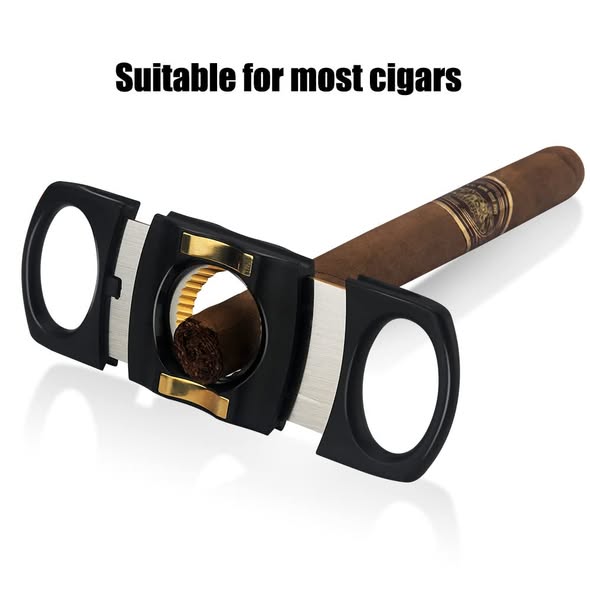
Torch lighters produce a powerful jet flame. The flame can reach temperatures up to 2,500°F, much hotter than a soft flame lighter. You can use torch lighters for lighting cigars, grills, or even for small welding tasks. The strong flame works well outdoors and in windy conditions. Torch lighters are refillable and often have adjustable flame height.
Lighter Type | Maximum Temperature |
|---|---|
Torch Lighter | ~2,500°F |
Soft Flame | ~1,400°F |
Torch lighters give you control and reliability for tough jobs.
Candle Lighters
Candle lighters have a long neck design. This feature lets you reach candles in jars or tight spaces safely. Many candle lighters use flameless technology, making them windproof and safer. Rechargeable models save you money and help the environment. You can use candle lighters for lighting candles, grills, or fireplaces.
The long neck keeps your hand away from the flame.
Flameless models work well in wind and rain.
Rechargeable designs are convenient and eco-friendly.
Candle lighters offer safety and ease of use. You can light hard-to-reach places without risk.
Sparkwheel Lighters
Sparkwheel lighters use a wheel and flint to create a spark. You turn the wheel with your thumb, and the spark lights the fuel. These lighters became popular in 1996 as a safer option for children. Today, you can use sparkwheel lighters for lighting cigarettes, candles, campfires, and grills. They are simple and reliable.
Lighting cigarettes
Lighting candles for ambiance
Starting fires for cooking or warmth
Using outdoors for campfires and grills
Sparkwheel lighters remain a classic choice among the types of lighters. You can depend on them for everyday tasks.
Choosing the Right Lighter
Everyday Use
You want a lighter that fits your daily routine. Many people look for a lighter that is small, safe, and easy to carry. You should think about these factors when picking a lighter for everyday use:
Size: Pick a lighter that fits in your pocket or bag.
Fuel Type: Butane lighters burn clean and work well for most tasks.
Longevity and Durability: Choose a lighter that lasts a long time and does not break easily.
Safety Features: Look for child-resistant models to prevent accidents.
Purpose: Decide if you need the lighter for indoor or outdoor use.
Frequency of Use: If you use a lighter often, pick one with a bigger fuel tank.
Budget: Balance cost with how long the lighter will last.
Tip: If you use a lighter every day, a refillable or electric model can save you money and reduce waste.
Outdoor Use
You need a reliable lighter for outdoor activities like camping or hiking. Outdoor conditions can be tough, so your lighter must work in wind, rain, or cold. Windproof and torch lighters are good choices for these situations. You should also check the build quality and how easy it is to use with gloves or wet hands.
Feature | Why It Matters |
|---|---|
Windproof Design | Keeps the flame steady in strong wind |
Strong Construction | Withstands drops and rough handling |
Easy Operation | Works well even in cold or wet conditions |
Long Battery/Fuel Life | Lasts through long trips without refilling |
Keep your lighter dry and close to your body for best results.
Newer plasma arc lighters now work better in cold weather.
Safety and Sustainability
You should always think about safety and the environment when choosing among the types of lighters. In the U.S., all lighters must be child-resistant to help prevent fires started by children. Many brands meet strict safety standards, which has helped lower fire accidents.
Standard/Certification | Description |
|---|---|
CPSC Requirement | All lighters must be hard for children to use |
ASTM International | Sets extra safety rules for lighters |
CPSA Compliance | Makers must prove their lighters are safe |
Disposable lighters create a lot of plastic waste and can harm the environment. Refillable and electric lighters last longer and use less plastic. You can help the planet by picking a lighter that you can refill or recharge.
Note: Rechargeable lighters use less fossil fuel and lower your carbon footprint.
You can now choose the best lighter for your needs by thinking about safety, the environment, and how you plan to use it.
Many lighter options for different needs. To choose the best one, think about these key points:
Decide your main purpose, like daily use or outdoor trips.
Pick the right flame and fuel type for your tasks.
Check for safety features, such as child-resistant locks and flame control.
Look for durable materials and a price that fits your budget.
Tip: Rechargeable electric lighters and refillable models help reduce waste and protect the environment. Always store your lighter safely and keep it clean for longer use.
FAQ
What lighter works best for camping?
You should pick a windproof or torch lighter. These lighters keep the flame steady in strong wind. You can use them to start campfires or light stoves outdoors.
How do you refill a butane lighter?
You turn the lighter upside down and press the nozzle of the butane can into the refill valve. Then wait a few seconds, then check if the lighter works.
Are electric lighters safe for kids?
Electric lighters have safety switches. You should keep them out of reach of children. Always follow the safety instructions from the manufacturer.
Can you recycle disposable lighters?
Most disposable lighters use mixed materials. You cannot recycle them in regular bins. You should check with your local recycling center for special programs.
Why does my lighter stop working?
The fuel may be empty.
The spark wheel or ignition may be dirty.
Battery may need charging (for electric lighters).
You should clean the lighter and refill or recharge it.