
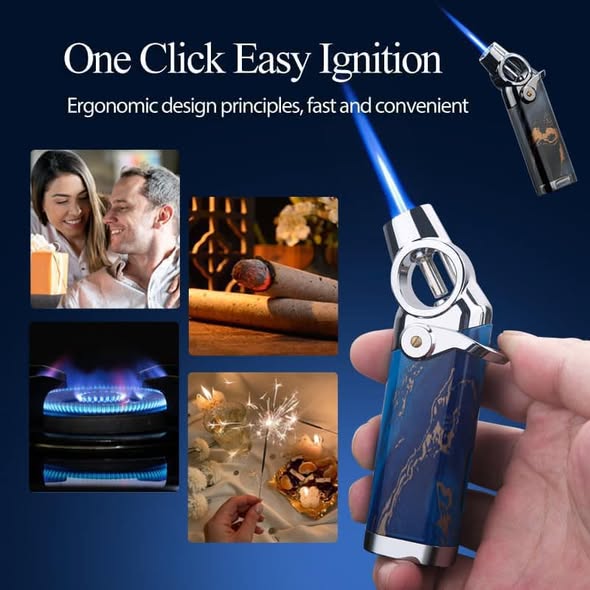
What Makes a Lighter Truly Sustainable and Eco-Friendly
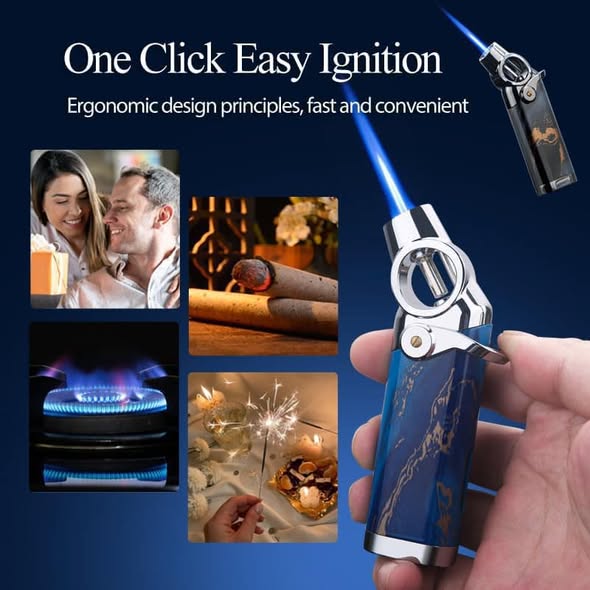
You might wonder what makes a lighter truly green. It starts with refillability, so you can use it over and over. Repairability means you can fix it instead of tossing it out. Eco-friendly materials like bamboo or recycled metal help, too. When you pick a Sustainable Lighter, you cut down on waste and pollution. Your choice matters—small changes add up!
Key Takeaways
Choose refillable lighters to reduce waste. They last longer and cut down on plastic trash.
Look for eco-friendly materials like bamboo or recycled metals. These options are better for the planet.
Consider electric lighters for a cleaner choice. They produce no harmful emissions and can last for thousands of uses.
Repair your lighter instead of throwing it away. This simple action helps save resources and reduces landfill waste.
Recycle old lighters properly. Metal and bamboo lighters are easier to recycle than plastic ones.
Sustainable Lighter Criteria
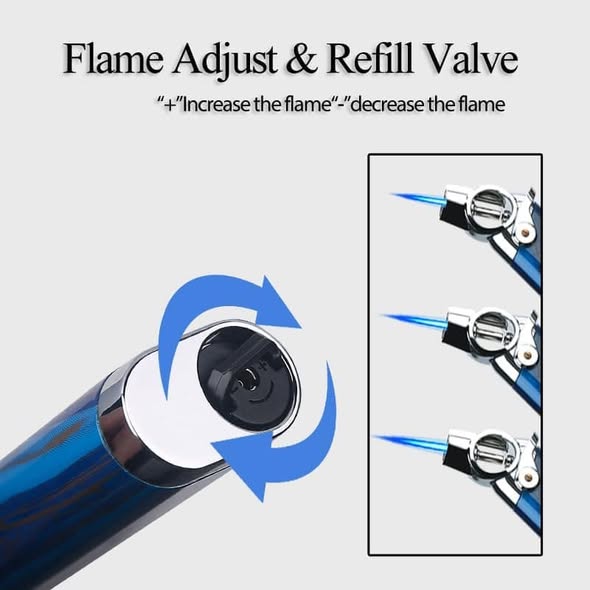
Eco-Friendly Materials
When you look for a Sustainable Lighter, start with the materials. Some lighters use bamboo, which grows fast and breaks down naturally. Bamboo is a renewable resource, so it does not stick around in landfills for years. You also see lighters made from recyclable metals like aluminum. These metals can be used again, but making them takes a lot of energy. Bamboo usually has a smaller impact on the planet.
Biodegradable options are popping up, too. These lighters break down over time, so they do not add to the pile of plastic trash. If you want to go even greener, check out electric lighters. They cut down on plastic waste and do not use butane, which can pollute air and water.
Electric lighters help reduce plastic waste by minimizing the production of plastic, which is a significant environmental issue. They also eliminate the need for butane, a harmful chemical, thus reducing air and water pollution.
Refillability & Repairability
A Sustainable Lighter should last a long time. You want one you can refill or fix if something goes wrong. This way, you do not have to buy a new one every time it runs out or breaks. Some brands make this easy for you.
Impact of Refillable Lighters | Details |
|---|---|
Lifespan | 1-3 years |
Replacements | Replaces 20+ disposable lighters per year |
Plastic Waste Reduction | 95% less plastic waste compared to disposable lighters |
Recyclability | Metal components can be recycled |
Repairability | Many refillable lighters are repairable |
You get less plastic trash, less fuel wasted, and a lighter that lasts much longer.
Durability & Lifespan·
You want your lighter to last. A strong, well-made lighter means you do not have to keep buying new ones. Electric lighters can give you over 100 lights per charge. Some models last for years, even after heavy use. That is a big step up from disposable lighters, which you throw away after a short time.
Electric lighters can provide over 100 lights per charge, with some models achieving up to 1000 lights.
An older model of an electric lighter has been reported to function well after more than 3 years of use, indicating a long lifespan compared to disposable lighters.
When companies use less plastic or lighter parts, they use fewer resources. This helps save energy and cuts down on waste. Lightweight designs also lower the carbon footprint of making lighters. You help the planet when you choose a lighter that lasts.
Recyclability
Think about what happens when your lighter reaches the end of its life. Some lighters use mixed materials, which makes recycling hard. Hazardous parts can also cause problems. You can help by taking old lighters to hazardous waste drop-off centers. If you want to avoid this hassle, pick a Sustainable Lighter made from metal or bamboo. These are easier to recycle or break down.
Challenges of recycling used lighters include:
Mixed materials complicate recycling processes.
Presence of hazardous components poses safety risks.
Solutions for proper disposal include:
Utilizing hazardous waste drop-off centers.
Considering eco-friendly alternatives like rechargeable lighters.
Choosing a lighter that you can recycle or safely dispose of means less waste in landfills. You make a real difference by picking the right one.
Comparing Lighter Types

Disposable Plastic Lighters
You probably see disposable plastic lighters everywhere. They are cheap and easy to find. But these lighters create a lot of waste. Over one billion end up in landfills every year. Most of them never break down. They can take more than 500 years to decompose. When they do, they leave behind microplastics and toxic chemicals.
Here’s a quick look at the main hazards:
Environmental Hazard | Source of Emission |
|---|---|
Toxic Chemicals | Production of Delrin involves formaldehyde, which is highly toxic. |
Greenhouse Gas Emissions | Plastics production accounts for 1% to 3% of U.S. GHG emissions. |
Waste from Non-Recyclable Plastics | BIC lighters are designed for disposability, leading to significant plastic waste. |
Difficulty in Recycling | BIC lighters are hard to separate for recycling, with only 9.5% of plastics being recycled. |
Tip: Disposable lighters are hard to recycle because they use mixed materials and contain hazardous parts.
Refillable & Repairable Lighters
Refillable and repairable lighters, like Honest, last much longer. You can refill them with butane or lighter fluid. Some models let you replace parts if they break. This means you do not have to throw them away after a few uses. You help the planet by cutting down on plastic waste.
Type of Lighter | Environmental Impact (1 Year) |
|---|---|
Disposable Lighter | 50+ plastic lighters in landfill |
Takes 500+ years to decompose | |
Toxic chemicals leach into soil | |
Refillable Lighter | 1 durable lighter (lasts 1-3 years) |
10-15 small butane cans (recyclable metal) | |
95% less plastic waste vs disposable | |
Metal components can be recycled |
Refillable lighters are built for longevity.
You can refill instead of discard.
They align with the idea of a Sustainable Lighter.
Electric & Rechargeable Lighters
Electric and rechargeable lighters use a battery instead of fuel. You charge them with a USB cable. These lighters do not create harmful emissions or use fossil fuels. They last for thousands of uses and help you avoid single-use waste.
Electric lighters do not use flammable fuels, so there are no harmful emissions.
You do not need to buy fuel cartridges.
When they stop working, you should recycle them as e-waste at special collection points.
Note: A quality electric lighter can last for years and charge in just a couple of hours.
Biodegradable Alternatives
You can also try biodegradable lighters. Some use bamboo, which grows fast and breaks down naturally. Others use hemp or other plant-based materials. These lighters help reduce waste and look unique.
Bamboo lighters are made from a renewable resource.
Biodegradable hemp lighters decompose naturally.
USB rechargeable lighters and refillable metal lighters also count as eco-friendly options.
If you want to make a real difference, pick a lighter that matches your values. A Sustainable Lighter, whether refillable, rechargeable, or biodegradable, helps you cut down on waste and pollution.
Environmental Impact
Production & Materials
When you pick a lighter, you might not think about how it was made. The materials used in lighters can affect the planet. Lightweight materials help lower carbon emissions during manufacturing. For example, when companies reduce the weight of products, they use less resin and energy. One project saved up to 219,000 pounds of carbon dioxide emissions each year by making lighter caps. Even in airplanes, dropping just one kilogram of material can save 106 kilograms of jet fuel every year. So, choosing lighters made from bamboo or recycled metals can help shrink your carbon footprint.
Usage & Emissions
How you use your lighter matters, too. Traditional gas lighters release harmful gases like butane and gasoline. These chemicals can stick around in the air and water for a long time. If you toss a lighter with leftover fluid, it can pollute soil and water. Butane lighters also produce toxic smoke that damages the environment. Electric lighters work differently. They use electricity instead of burning fuel, so they do not release airborne toxins. Eco-friendly lighters with rechargeable batteries or tesla coils create an arc for lighting. This method cuts down on harmful emissions compared to regular butane lighters.
Tip: Electric and rechargeable lighters help you avoid toxic smoke and reduce pollution.
Disposal & Waste
When you throw away a lighter, it does not just disappear. Many end up in landfills or oceans. In fact, 40–80% of large marine debris is plastic, and lighters are part of that mess. Wildlife like sea turtles, seabirds, and marine mammals often mistake plastic for food. This can lead to loss of nutrition, internal injuries, and even death. Studies show that 90% of seabirds have eaten plastic. Plastic lighters can also break down into microplastics, which spread toxins and harm animals. If you want to help, choose lighters that you can recycle or safely dispose of.
Choosing a Sustainable Lighter
Practical Selection Tips
You want a lighter that works well and helps the planet. Start by looking for safety features like child-resistant locks and clear safety labels. These keep you and others safe. Next, check if the lighter uses eco-friendly or recyclable materials. Bamboo, recycled metal, and biodegradable plastics are great choices.
Durability matters, too. Pick a lighter that can handle drops or rough use. Brands like Honest offer strong metal lighters you can refill and repair. Electric lighters are another smart pick. They use USB charging and last for thousands of lights. Bamboo and hemp lighters break down naturally, so they do not add to landfill waste.
Here’s a quick table to help you compare:
Criteria | Description |
|---|---|
Safety features | Child-resistant mechanisms and clear safety labels |
Environmental impact | Eco-friendly or recyclable options |
Durability and reliability | Withstands outdoor conditions or rough handling |
Compliance | Meets safety and environmental standards |
Cost and availability | Affordable and easy to find |
You can also look for brands that use renewable materials and follow green production practices. These companies focus on saving energy and reducing waste.
Maintenance & Responsible Use
Taking care of your lighter helps it last longer. Clean it regularly and refill it when needed. If it breaks, try to repair it instead of throwing it away. Many refillable lighters have parts you can replace. When your lighter reaches the end of its life, recycle it if possible. Metal and bamboo lighters are easier to recycle than plastic ones.
Responsible use means picking lighters that match your values. Refillable metal lighters cut down on waste. USB rechargeable lighters do not need fossil fuels. Bamboo lighters use a fast-growing resource and help absorb carbon dioxide. Biodegradable hemp lighters break down naturally, so they do not harm the environment.
Tip: Repair and reuse your lighter whenever you can. This simple habit saves resources and keeps waste out of landfills.
Choosing a Sustainable Lighter and caring for it makes a real difference. You help protect the planet and set a good example for others.
You can make a real difference by choosing a Sustainable Lighter. Look for refillable, repairable designs and pick materials that are kind to the planet. Great options include:
Kraft paper
Bamboo
Aluminum
Glass
Compostable bioplastics
Plant-based alternatives like cornstarch and mushroom packaging
With more people asking for green choices, biodegradable and eco-friendly materials like mycelium packaging are now in the spotlight. These break down fully and protect the environment.
When you share what you know about sustainable lighters, you help others reduce waste and support a cleaner world.
FAQ
What makes a lighter eco-friendly?
You want a lighter that uses refillable or biodegradable materials. Look for options made from bamboo, metal, or compostable plastics. These choices help you cut down on waste and pollution.
Can you recycle old lighters?
Most plastic lighters are tough to recycle because of mixed materials. You can take metal or electric lighters to special recycling centers. Always empty any fuel first.
How long does a refillable lighter last?
A good refillable lighter can last for years. You just need to refill it and replace parts when needed. This saves you money and keeps trash out of landfills.
Are electric lighters safe to use?
Yes, electric lighters are safe if you follow the instructions. They do not use open flames or fuel. Always keep them dry and away from children.