
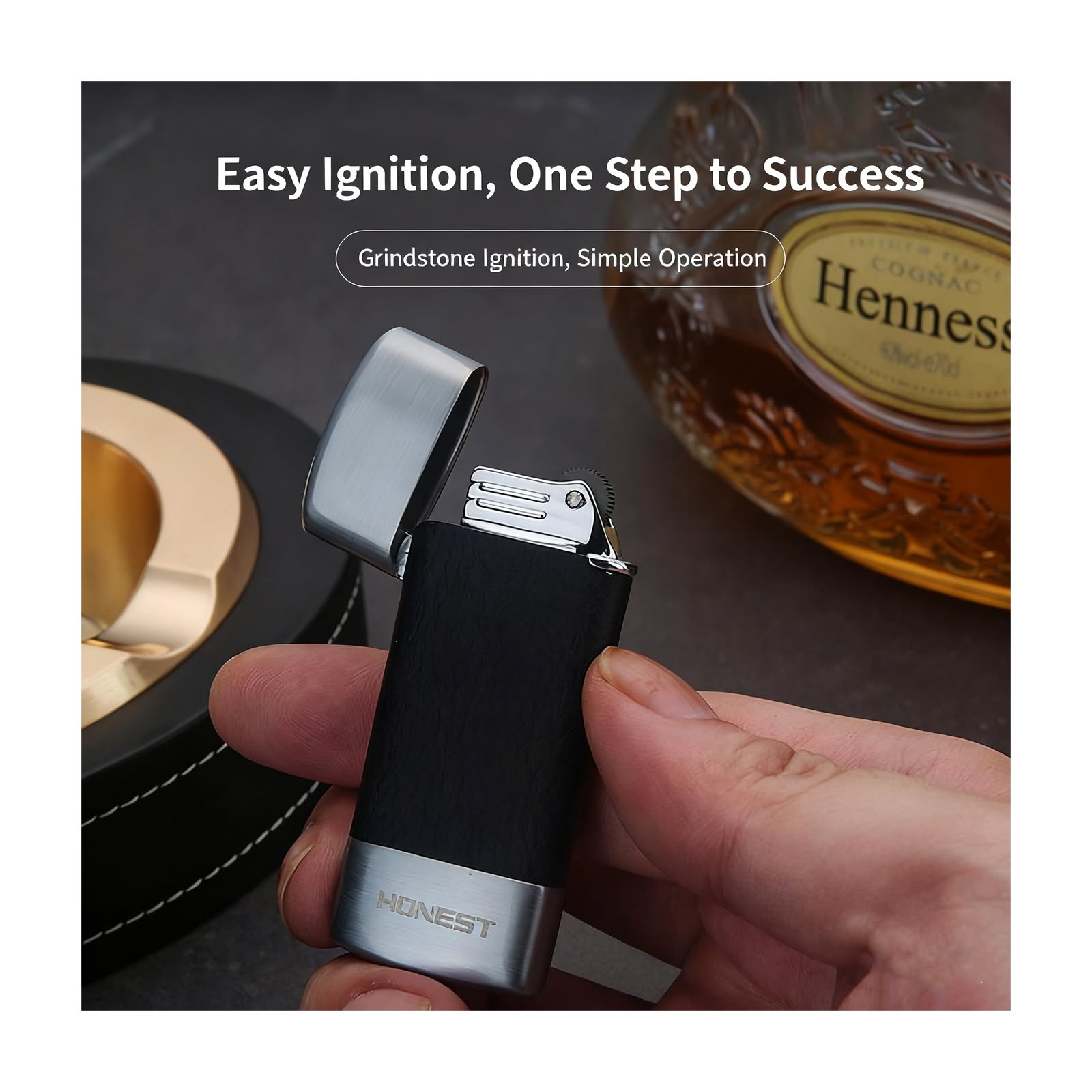
A jet flame lighter burns pressurized butane. It creates a concentrated, windproof blue flame. The device uses electronic piezo ignition. A traditional flint wheel lights standard lighters. You press a button on this lighter. A small crystal strikes an anvil inside. This action generates a high-voltage spark. The spark immediately ignites the gas. The result is a strong, adjustable flame. Standard lighters fail easily in the wind. This lighter performs reliably outdoors. A Jet Flame Lighter provides a powerful heat source. You can use it for many tasks. It works every time you need it.
Key Takeaways
A jet flame lighter burns butane to create a hot, windproof blue flame.
It uses a piezo spark to ignite the gas, so it works reliably outdoors.
You can adjust the flame size and use the safety lock for secure handling.
It lights cigars, campfires, and stoves quickly, even in strong wind.
Choose a single, double, or triple flame model based on your tasks.
How a Jet Flame Lighter Works
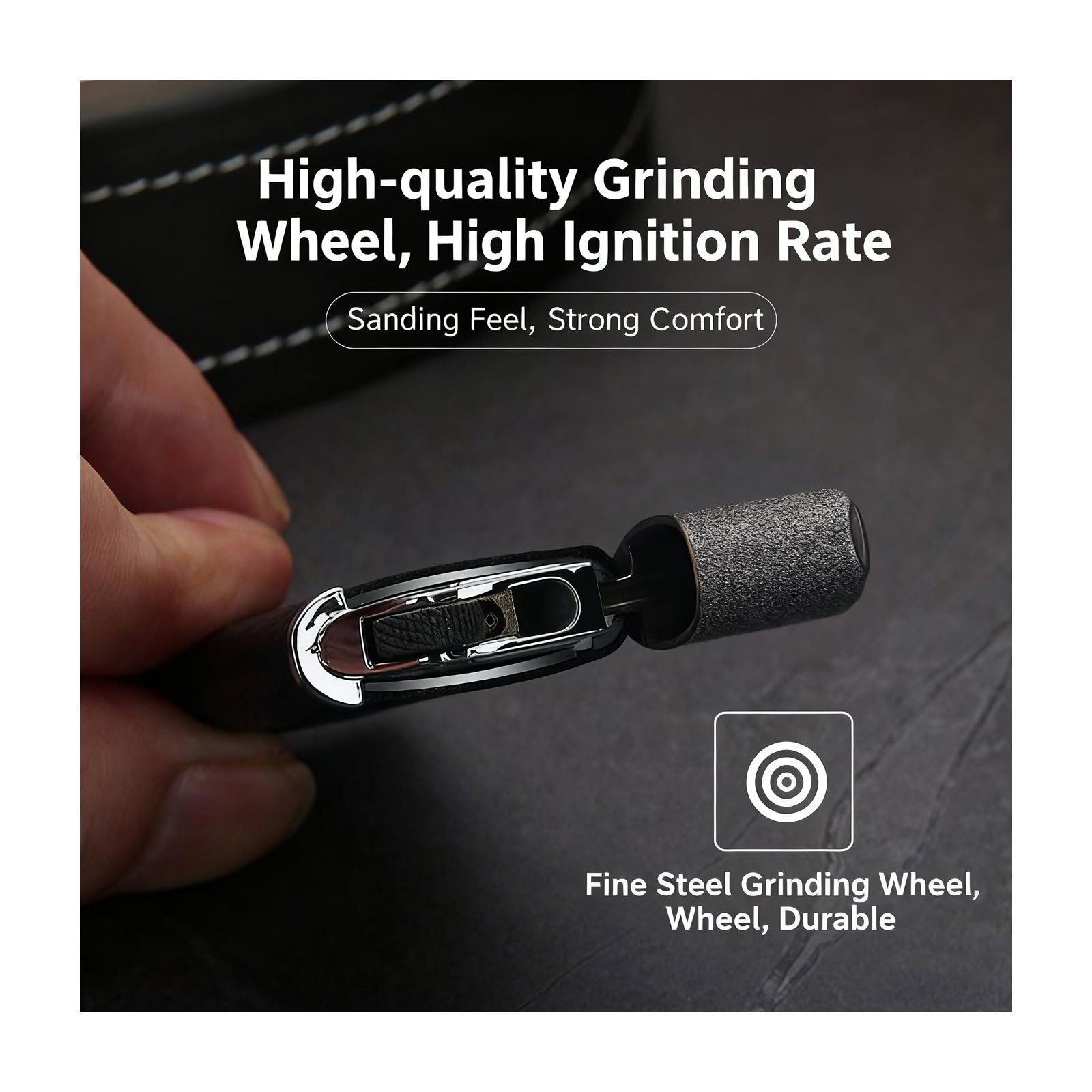
A jet flame lighter relies on a precise sequence of fuel release, air mixing, and spark ignition. Each step matters for the final result. You press a button, and the device handles the rest in a fraction of a second.
Fuel Release and Air Mixing
Pressing the release button sends pressurized butane out as a gas. The butane sits inside the fuel chamber under high pressure. Once you open the valve, the gas rushes through a tiny nozzle. This rapid expansion turns the liquid butane into a fast-moving vapor stream.
The venturi tube sits right after the nozzle. This component pulls in air and mixes fuel with oxygen before combustion. Here is how the venturi effect works in practice:
Pressurized butane gas rapidly expands from the nozzle, creating a high-velocity stream.
The high-velocity gas creates a low-pressure zone that draws in ambient air.
The air and butane mix thoroughly in a chamber before ignition.
The pre-mixed air-fuel combination is ignited by the piezoelectric spark, resulting in efficient combustion.
The venturi tube also controls oxygen flow for best function. Too little air leads to a weak flame. Too much air can blow out the spark. The tube balances both factors automatically.
Ignition and the Blue Flame
Piezo ignition provides the spark. A small hammer strikes a piezoelectric crystal, creating a high-voltage spark that jumps a gap and lights the gas. The full sequence unfolds like this:
A spring-loaded hammer rests against a piezoelectric crystal, commonly PZT, sometimes quartz or ceramic.
When you press the button, the hammer releases and strikes the crystal.
The sudden mechanical deformation of the crystal generates a high voltage via the piezoelectric effect.
This high voltage produces an electrical discharge, which wires may route to the burner location.
The spark ignites the gas flowing from the nozzle, producing the flame.
No external electrical connection is required, and typically one spark is generated per press.
Torch style butane lighters that utilize piezoelectricity are widely used for a broad array of purposes. When the button on a Piezo electric ignitor is pressed, a spring loaded hammer strikes quartz in order to create a spark.
The fuel-air mix produces the hot, concentrated blue flame. According to the source, the blue flame of a jet flame lighter can reach temperatures of up to 3,000 degrees Celsius (5,432 degrees Fahrenheit). This high temperature results from a reaction between oxygen in the air and fuel molecules.
Why does the flame burn blue instead of yellow? The answer comes down to combustion quality:
Flame color | Combustion type | Meaning |
|---|---|---|
Blue | Fuel burns fully with enough oxygen; hotter flame | |
Yellow / orange / red | Incomplete combustion | Insufficient oxygen; soot particles glow; cooler and less efficient |
A blue flame indicates complete combustion. Yellow or red flames indicate incomplete combustion. The pre-mixed design of a Jet Flame Lighter ensures enough oxygen reaches the fuel. That complete burn produces the signature blue color and intense heat.
Key Features
Windproof Design and High Heat
Wind resistance and intense heat are the standout traits of a jet flame lighter. The pressurized fuel system creates a narrow jet flame that resists wind disruption. Protective metal shielding around the ignition area deflects direct airflow. A wind guard design ensures consistent performance in outdoor environments. These features work together to keep the flame stable even in strong gusts.
The heat output is equally impressive. A jet flame lighter can reach a high-intensity heat of up to 2,500°F.
Jet flame lighters can reach a high-intensity heat of up to 2,500°F.
Compare this to a standard lighter, which produces a much cooler flame:
Lighter Type | Temperature Range (°C) | Temperature Range (°F) |
|---|---|---|
Jet flame lighter | 1,400°C – 1,600°C | 2,552°F – 2,912°F |
Standard lighter | 800°C – 1,000°C | 1,472°F – 1,832°F |
This concentrated turbo-flame remains stable in windy conditions. You can rely on it for tasks that demand serious heat.
Adjustable Flame and Safety Lock
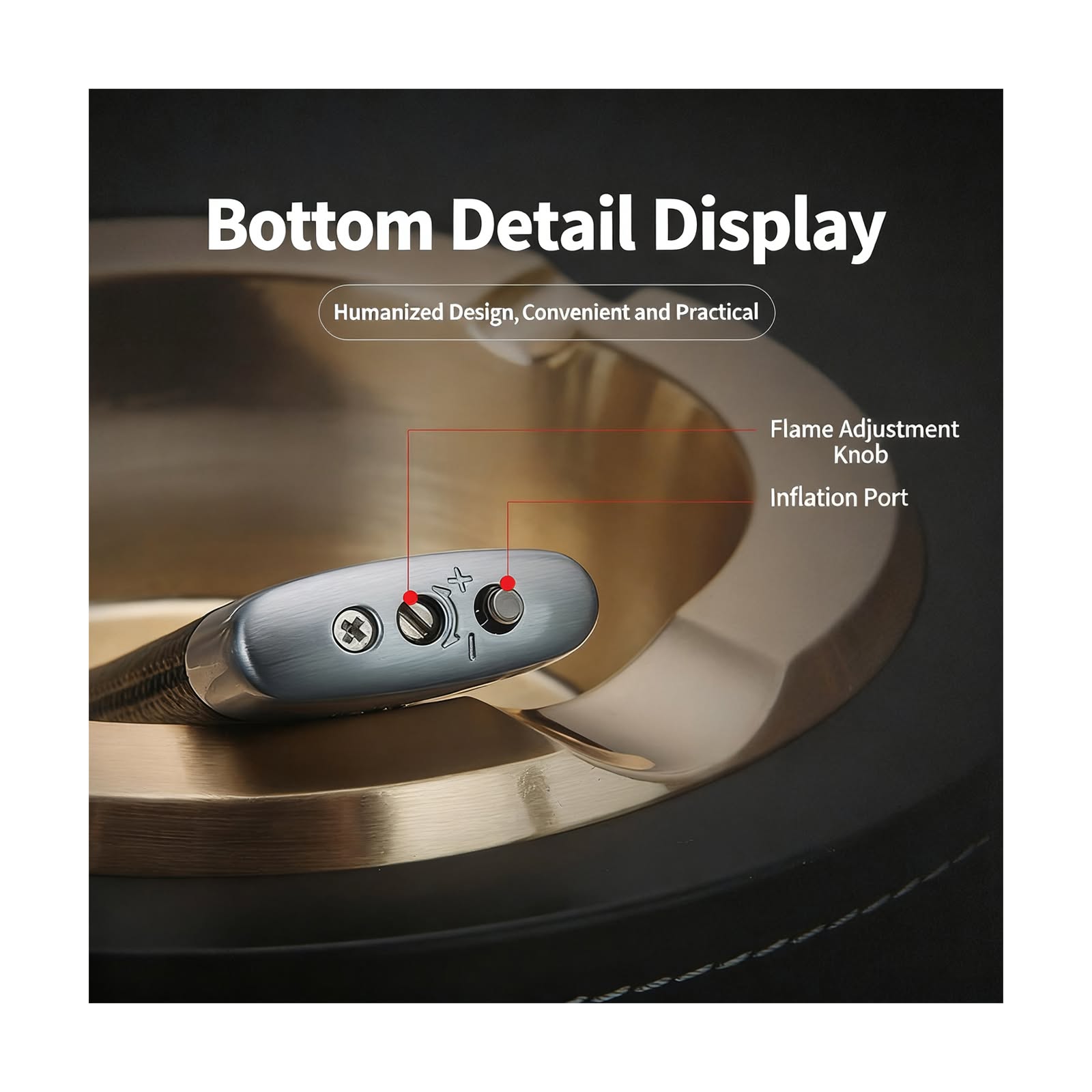
An adjustable flame dial or screw regulates the flow of butane gas. This control lets you set both flame size and intensity. You can switch from a high concentrated heat to a lower controlled flame. Turn the flame control dial to fine-tune the flame as needed. This flexibility makes the tool useful for delicate tasks and heavy-duty jobs alike.
Safety locks add another layer of protection. The proposed standard WK97745 for torch lighters addresses safety concerns related to flame locks and rotary valves.
The proposed standard WK97745 for torch lighters (which include jet flame lighters) specifically addresses safety concerns related to flame locks and rotary valves.
This standard includes stability requirements to reduce tip-over risk during continuous-burn operation. It also covers extended burn testing to ensure the product withstands prolonged use. A safety lock prevents accidental ignition when the lighter is stored or carried. These practical add-ons make the device safer for everyday use.
Common Uses
Cigars, Camping, and Cooking
For lighting cigars, the Jet Flame Lighter outperforms traditional matches in nearly every scenario. The table below shows the key differences:
Factor | Jet Flame (Torch) Lighter | Matches |
|---|---|---|
Lighting speed | 45–60 sec | 80–150 sec |
Wind resistance | Excellent | None |
Altitude performance | Excellent | Good |
Best ring gauge | 54+ | 38–54 |
Fuel taste risk | Low | Zero |
Indoor vs outdoor | Both | Indoor only |
Learning curve | Easy | Moderate-hard |
Maintenance | Refills | None |
The concentrated jet flame cuts through wind that would instantly extinguish a match. Torches light cigars in roughly 20–30 seconds versus 45–60 seconds with matches. The pressurized butane system works normally at altitude. Large ring gauge cigars (60+) light far more evenly with concentrated heat. Higher temperature means more complete combustion, reducing fuel taste. Torch lighters offer a consistent flame for an even light every time.
Why the Torch Flame Is Better for Cigars
The flame burns 2–3 times hotter than a regular lighter. The heat permits uniform toasting of the foot without ever touching the cigar directly. Larger cigars ignite more easily and burn more evenly. Wind resistance makes the flame steady outdoors.
For camping and cooking, the Jet Flame Lighter excels in outdoor conditions. You can light camp stoves, charcoal grills, and campfires even in strong breezes. The windproof flame starts fires reliably every time. The adjustable flame control lets you manage heat output for different cooking tasks. You can rely on this tool from lighting a gas stove to searing food directly.
DIY and Everyday Tasks
A jet flame lighter handles many daily jobs around your home or workshop. You can apply heat to shrink tubing on wiring projects. You can solder small electronic connections with precision. The concentrated flame works well for loosening rusted bolts or thawing frozen pipes. You can easily light candles, incense, or fireworks with one hand. This tool replaces bulky propane torches for many small projects.
The device lasts longer than standard alternatives:
Lighter Type | Average Lifespan |
|---|---|
Jet Flame Lighter | 2–5 years |
Regular Butane Lighter | 6–12 months |
Quality models last 1 to 3 years when cared for properly and used regularly. Higher-quality models may exceed this range. Poor maintenance or frequent use can shorten the lifespan.
Types of Jet Flame Lighters and How to Choose
Single, Double, and Triple Flame Models
Jet flame lighters come in three main configurations. Each one suits different tasks. A single flame model produces one narrow, concentrated flame. This design directs heat at a precise point. You get accuracy and control for touch-ups. The focused heat works well for detailed jobs. A single flame also uses less butane than multi-flame models. You refill it less often. This makes it the most fuel-efficient option.
A double flame model uses two nozzles. These nozzles spread heat over a wider area. The flame coverage is more even than a single jet. This design works well for small to medium cigars. You get balanced heat without a huge flame. Fuel consumption runs higher than a single flame model. The extra heat output and better wind resistance justify the trade-off for some users.
A triple flame butane torch adds even more flame sources. The wider span of flame covers a broad surface. This speeds up lighting across large areas. The design works best for large ring gauge cigars. You get a consistent, even flame every time. The table below summarizes the differences.
Lighter Type | Flame Coverage | Best For |
|---|---|---|
Single jet | One precise point | Detail work, touch-ups |
Double jet | Wider area, even heat | Small to medium cigars |
Triple jet | Broad span, fast lighting | Large ring gauge cigars |
What to Check Before You Buy
Several factors separate a good purchase from a regret. Check windproof performance first. A quality model keeps its flame steady in strong gusts. Look for protective metal shielding around the ignition area. This feature deflects airflow and maintains consistent performance outdoors.
Fuel type matters too. All models run on pressurized butane. Make sure the lighter accepts standard butane refills. This keeps refueling simple and affordable. Build quality determines how long the device lasts. A durable metal body survives drops and daily wear. Plastic housings often crack under pressure. Check the design for comfort and portability. A contoured body gives you a secure grip. A low-profile pocket clip keeps the device handy.
Price ranges vary by type. The table below shows typical costs.
Lighter Type | Price Range (INR) |
|---|---|
Soft Flame | ₹30–150 |
Jet Flame (Torch) | ₹150–300+ |
Warranty coverage protects your investment. Reputable brands stand behind their products.
Supported by XIKAR® limited lifetime warranty
A limited lifetime warranty signals confidence in build quality. You replace a faulty unit without paying full price. Compare models side by side before you commit. Match the flame type to your regular tasks. A single flame suits precision work. A triple flame handles large cigars and outdoor cooking. The right build quality and warranty give you years of reliable service.
A Jet Flame Lighter gives you a strong, windproof blue flame. Piezo ignition fires reliably with each press. The tool handles cigars, camping, cooking, and DIY jobs with ease. User reviews back this up. About 78% of Honest Jet Lighter users would recommend the product to friends. That number reflects solid build quality and simple operation. Your own needs should guide the final choice. Match the flame type to your regular tasks. Check the build quality before you buy. A single flame suits precision work. A triple flame covers large surfaces fast. Compare models today and pick the one that fits your lifestyle.
FAQ
How do I refill a jet flame lighter?
You refill it with standard butane gas. Locate the refill valve on the bottom. Purge any remaining gas. Press the butane canister nozzle into the valve. Hold for a few seconds until full. Wait a minute before using.
How do I adjust the flame size?
Turn the adjustable flame dial or screw at the bottom or side of the lighter. A small turn increases or decreases the flame height. Start low and increase until you get the right heat for your task.
Is a jet flame lighter safe to carry?
Yes, most models include a safety lock that prevents accidental ignition. Some models meet the WK97745 standard for torch lighters, which covers flame locks and stability. Always engage the lock when carrying it in a pocket.
How long does a jet flame lighter last?
With proper care and regular use, a quality model lasts 2 to 5 years. Higher-quality lighters may last longer. Refilling with good butane and cleaning the nozzle helps extend its life.