
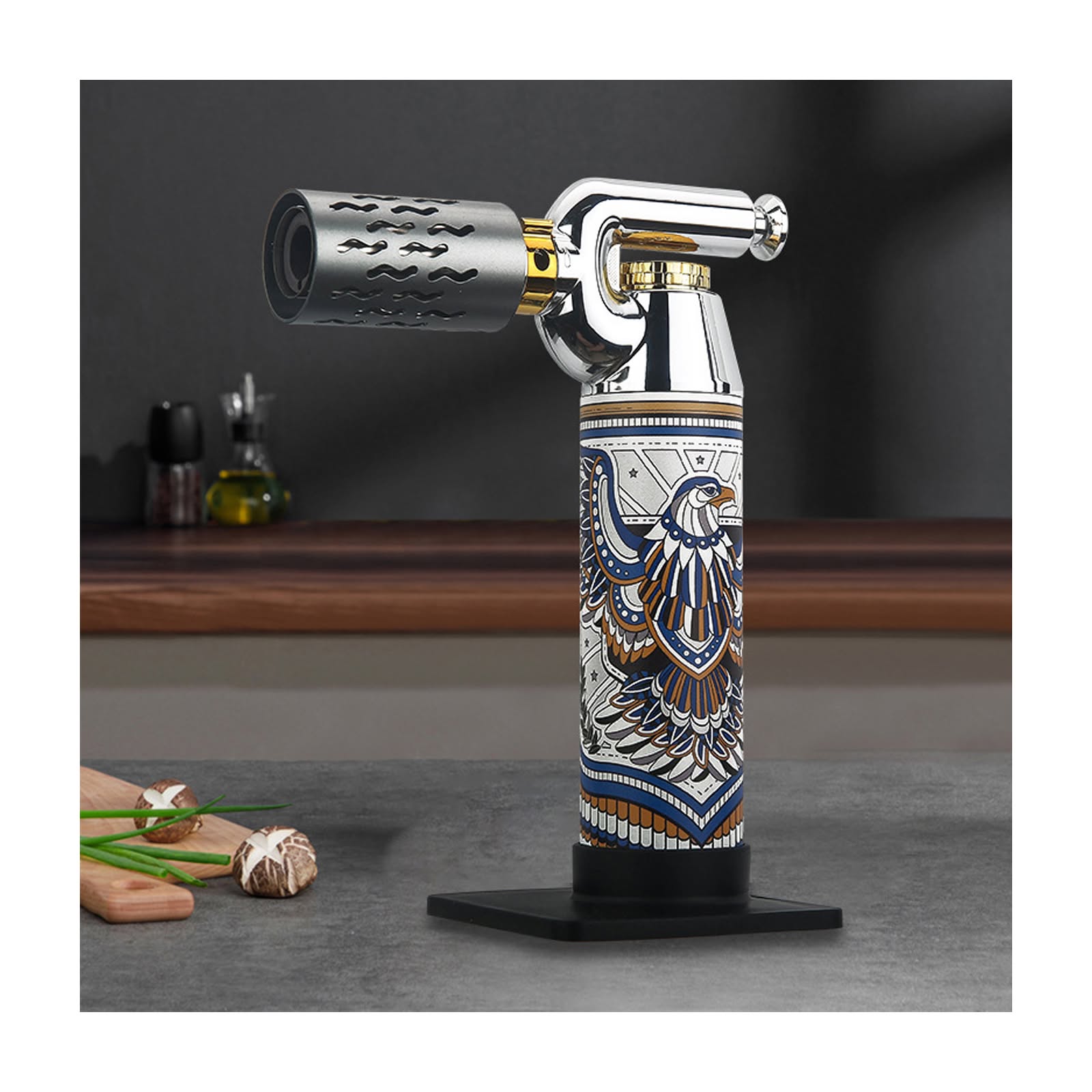
A multi-purpose torch is a refillable butane or propane tool that produces a high-temperature flame for cooking, soldering, and more. You might picture a flashlight when you hear the word torch. This device is different. It creates a precise flame you can adjust, reaching up to 1,400°C. A full refill burns for about 30 minutes. You can sear a steak, melt cheese, solder jewelry, or light a campfire. Interchangeable attachments expand its reach even further. That range of tasks might surprise you. This tool replaces several single-purpose devices in your kitchen, workshop, and outdoor gear. So, what makes it so versatile? Let’s find out together.
Key Takeaways
A multi-purpose torch is a handheld tool that uses butane or propane to create a very hot flame.
You can adjust the flame and change attachments to do many tasks like cooking, soldering, and weed control.
A full refill gives about 30 minutes of burn time, which is enough for most jobs.
Butane torches are portable and great for indoor use, while propane torches burn hotter for outdoor tasks.
This one tool replaces several others, saving you money and space in your kitchen, workshop, and outdoor gear.
Defining the Multi-Purpose Torch
What Is a Multi-Purpose Torch?
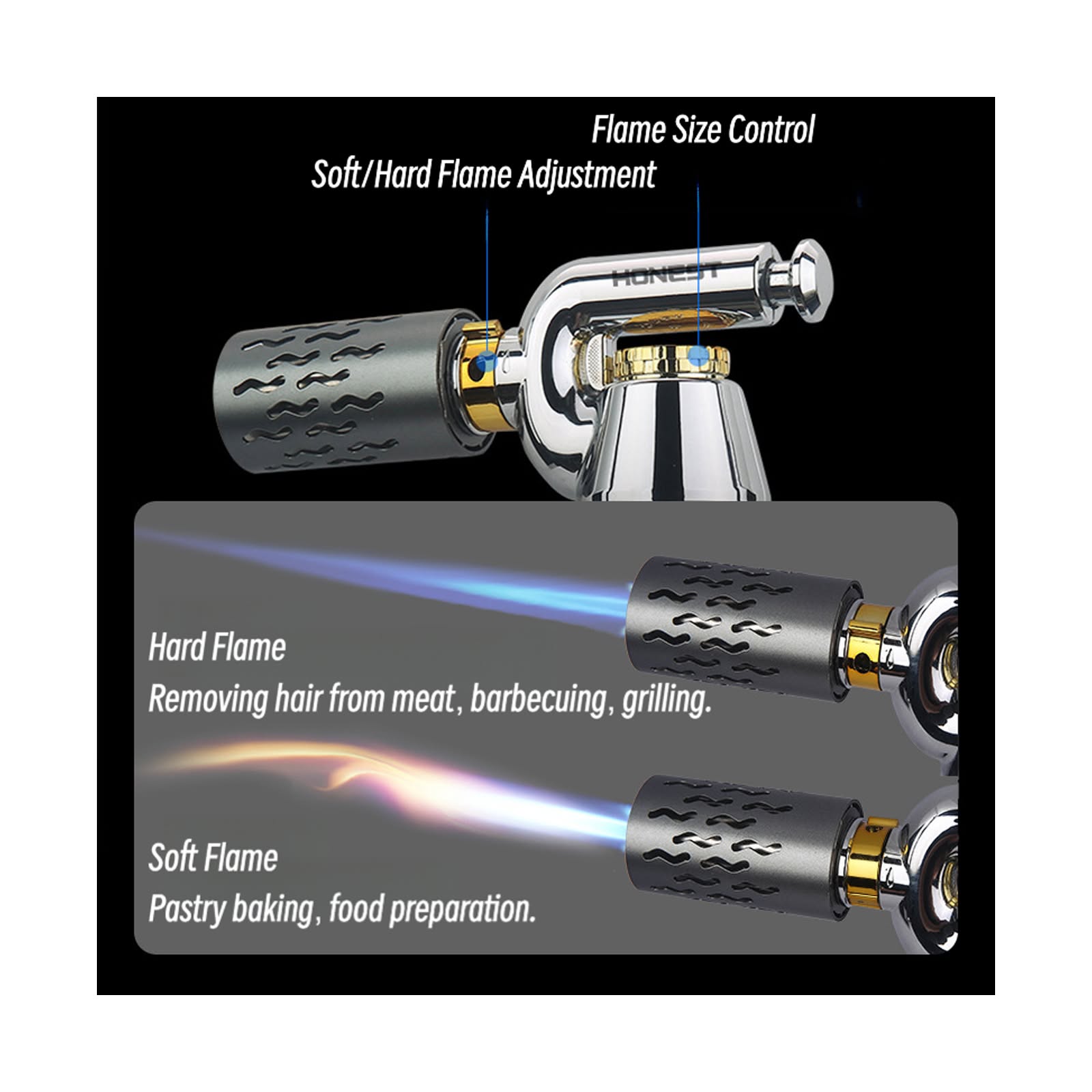
A Multi-Purpose Torch is a handheld tool that runs on butane or propane fuel. It produces a high-temperature flame you can adjust for different tasks. The torch comes with interchangeable attachments like cutting tips, soldering tips, and blower nozzles. You swap them to match your current job. The torch handle uses brass construction with built-in safety valves for secure operation.
Temperature matters for most applications. Butane torches produce flames from about 1,300 to 1,400 degrees Celsius. That heat level melts solder, sears meat, or burns weeds. A product example like the Berkling BSG-2000 Butane Torch Kit reaches up to 2,552°F (1,400°C). You get industrial-grade heat in a portable device.
Refillable design makes these torches cost-effective. A full butane fill gives you about 30 minutes of burn time. You refill the tank instead of buying new canisters. This reduces waste and saves money over repeated uses.
Key components include the handle, cutting attachment, regulators, hoses, and tips. Handles often feature brass bodies with silver-brazed twin-tube construction. They include FlashGuard check valves that stop gas flow if a hose fails. Cutting attachments have brazed triangular stainless steel tubes and a fold-forward cutting lever. Regulators like the Harris Model 601 use 50mm ABS plastic gauges with an internal filter and PTFE Teflon seats. Standard kits include twin 3/16″ x 12′ hoses, cutting tips, safety glasses, a striker, and an acetylene cylinder wrench. The oxygen and acetylene cylinders remain optional add-ons for specialized work.
Butane vs. Propane Models
You have two main fuel choices: butane and propane. Each offers distinct advantages for different situations.
Butane torches excel in portability. Butane canisters are smaller, lighter, and easier to store than propane canisters. The torch fits neatly into a carrying case for easy transport. For warm-weather use, butane gives you a compact setup that works well. When burned above freezing, butane delivers about 12% more energy than an equal amount of propane. This means fewer refills and more working time per canister. Butane also costs less than propane. A butane canister holds more fuel volume than a comparable propane canister.
Propane torches burn hotter than butane models. Air-fed propane torches reach about 2,000°C. Butane torches max out near 1,400°C. The average propane-butane torch reaches about 1,225°C. If you need extreme heat for cutting metal or heavy brazing, propane gives you the power you need. Propane remains readily available at most hardware stores.
Temperature comparison matters for your choice:
Torch Type | Maximum Flame Temperature |
|---|---|
Air-fed propane torch | 2,000°C (average ~1,200°C) |
Propane-butane torch | ~1,225°C |
Butane torch | ~1,400°C |
Oxygen-fed torches reach even higher temperatures. An oxygen-fed propane torch reaches about 2,550°C. Most portable Multi-Purpose Torches use air-fed designs without oxygen tanks.
Consider your typical tasks. For indoor use like soldering electronics or cooking, butane works well. The lower temperature gives you more control for delicate work. For outdoor tasks like lighting campfires or removing paint, propane offers more power. Propane also performs better in cold weather. Butane struggles below freezing because the fuel does not vaporize easily.
Both fuels give you refillable, cost-effective operation. Your choice depends on your primary use case. Many users start with butane for its portability and lower cost. Others choose propane for maximum heat output in demanding tasks.
Key Capabilities of a Multi-Purpose Torch
High Temperatures and Burn Time
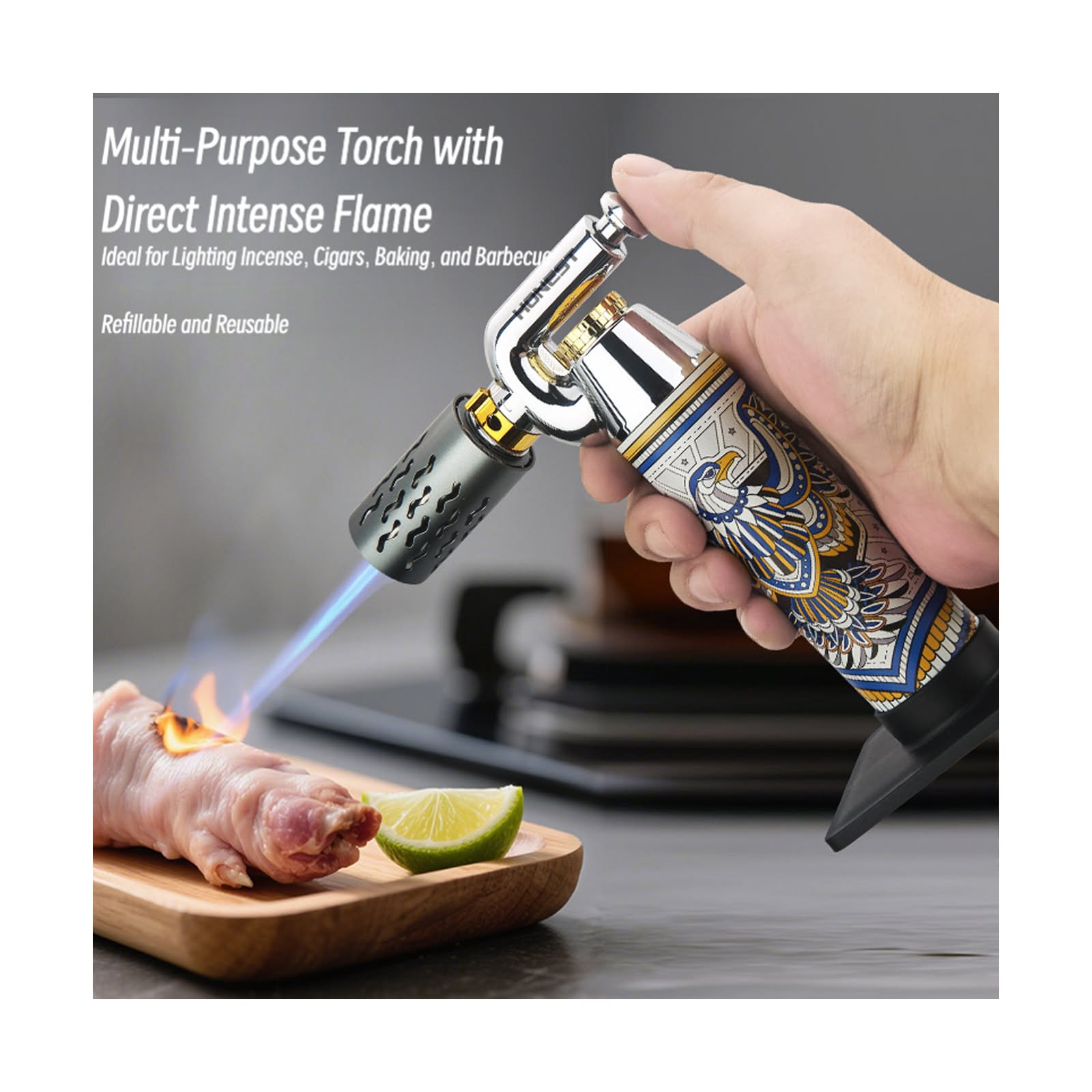
You get substantial heat from a compact device. A standard butane Multi-Purpose Torch reaches temperatures between 1,300°C and 1,400°C. An air-fed propane model climbs to about 2,000°C. That heat melts solder within seconds. It sears a steak surface in moments. It burns weeds down to the root. You do not need an industrial setup for this power. The torch fits in your hand and runs on a refillable fuel tank. You carry this capability anywhere you need it.
Burn time matters as much as temperature. A full butane refill gives you about 30 minutes of continuous flame. This covers most household tasks without interruption. You sear a dozen steaks in one session. You solder several copper pipe joints without stopping. You light multiple campfires on a single fill. You rarely run out of fuel mid-task when you start with a full tank. This continuous operation makes the torch practical for longer tasks like stripping paint.
Fuel type affects both heat and duration. Butane delivers about 12% more energy per canister than propane. You get more working time from butane. Butane struggles below freezing though. The fuel does not vaporize well in cold weather conditions. Propane performs better outdoors in winter. You also get higher temperatures from propane when you need maximum heat. Consider your environment when choosing between the two fuels.
You control flame height with an adjustable valve. A knob on the handle lets you dial the flame from a gentle 2 cm to a strong 10 cm. You match the flame to each task. A small flame works for delicate soldering. A large flame handles heating a stubborn bolt or searing meat. This adjustability gives you fine control over the heat you apply.
Attachments and Flame Adjustability
You swap the standard nozzle for a specialized tip in seconds. Each attachment changes the torch function for a specific job. The included carrying case keeps all tips organized and accessible.
Attachment | Best For |
|---|---|
Blower nozzle | Weed control, lighting charcoal, stripping paint |
Soldering tip | Electronics repair, jewelry making, pipe soldering |
Cutting tip | Metal cutting, brazing, heavy fabrication |
Standard nozzle | Cooking, searing, melting, general heating |
The blower nozzle spreads the flame over a wider area. You use it for weed control between pavers or along fence lines. The wider coverage speeds up outdoor tasks. You clear a patio of weeds in minutes instead of hours. The broad flame also works well for lighting charcoal briquettes quickly.
The soldering tip focuses the flame into a fine point. This works well for electronics repair and jewelry making. The narrow heat targets only the area you need. It prevents damage to nearby components. You get precise control over the heat application.
The cutting tip delivers an intense flame for metalwork. You need this for cutting steel or brazing joints. The heat reaches temperatures that melt most common metals. This attachment handles heavy-duty jobs that other tips cannot manage.
Flame adjustability adds another layer of control. You fine-tune the gas flow with the regulator valve. This gives you a soft blue flame for gentle heating or a sharp roaring flame for rapid work. You go from a delicate cooking tool to a powerful heat device in seconds. The valve responds smoothly to each adjustment.
Combining attachments with the adjustable flame makes this tool versatile. You replace several single-function tools with one torch and its tips. This saves space in your drawer and money in your budget. The torch handles cooking, soldering, weed control, and more with a simple tip change.
Everyday Uses for a Multi-Purpose Torch
Culinary and Kitchen Applications
You can sear a steak in your own kitchen with a Multi-Purpose Torch. The intense heat creates a browned crust on the meat surface within moments. You also melt cheese over a casserole or brown the top of a baked dish. These tasks normally require a broiler. A torch gives you more control over where the heat goes.
Caramelizing sugar on crème brûlée shows the torch at its best. A broiler can work as an alternative. However, broilers vary greatly from oven to oven and rarely deliver even heat. A kitchen torch lets you control the amount of heat and direct it exactly where needed. Torches are inexpensive and easy to obtain. A broiler can burn sugar quickly, turning it from browned to blackened in seconds. It also heats the entire dessert, ruining the contrast between cold custard and warm topping. Using a torch is more impressive and fun for guests.
Workshop, Repair, and Outdoor Tasks
Soldering jewelry or electronics becomes simple with the right tip attached. Butane torches for jewelry making reach 1,300 to 1,400°C (2,372 to 2,552°F). This range covers soft soldering and general jewelry work. The Berkling BSG-2000 Butane Torch Kit reaches up to 2,552°F (1,400°C) for these tasks. You apply precise heat to the joint without damaging nearby parts.
You can also remove paint or loosen rusted bolts. A butane kitchen torch carries the same potential energy as propane. Its smaller size and focused flame work well for gently heating delicate parts. A comparative test included a butane kitchen torch for loosening rusted bolts. The test measured the time and steel plate temperature required to break a bolt free. This shows that butane torches handle repair tasks effectively when you need precision heat. Outdoor jobs like lighting charcoal or campfires also suit this tool. The blower nozzle spreads the flame for weed control along fence lines.
How a Multi-Purpose Torch Differs from Basic Lighters
Precision and Safety Advantages
A basic lighter gives you a small, soft flame. That flame works for lighting candles or cigarettes. It cannot solder a wire or sear a steak. A Multi-Purpose Torch delivers focused heat up to 2,500°F. This difference changes what you can accomplish. You get a tool that handles real work instead of simple ignition.
Safety features set these tools apart as well. A basic lighter offers no lock and no flame control. A quality torch includes several protective mechanisms:
Safety lock prevents accidental ignition when the torch is not in use
Piezo-electric push-button or manual ignition requires deliberate activation
Flame control valve allows precise adjustment of flame size and intensity
Nozzle or tip directs and shapes the flame output
You should always engage the safety lock when the torch is not actively in use. Keep protective caps on during storage. Use the torch upright to minimize heat-related accidents. Avoid creating sparks near the torch. Ensure the butane canister is properly sealed and secured. Do not expose the torch or canister to extreme temperatures. Keep butane torches out of reach of children.
When to Choose a Multi-Purpose Torch
You reach for a basic lighter for quick, simple tasks. Lighting a candle takes one second. A disposable lighter handles that job fine. You choose a torch when the task demands real heat. Soldering electronics requires precise, high temperatures. A soft flame cannot melt solder properly. Caramelizing sugar on crème brûlée needs controlled, intense heat. A lighter would leave the sugar uneven and raw in spots.
Outdoor tasks also favor the torch. Lighting charcoal for a barbecue takes forever with a lighter. A torch gets the coals glowing in minutes. Weed control between patio stones needs a broad, hot flame. A lighter cannot cover that area effectively. Paint removal and rusted bolt loosening require sustained heat. These jobs demand the power and control that only a torch provides. Choose the torch whenever your task needs more than a simple spark.
A multi-purpose torch replaces your cooking torch, soldering iron, and weed burner with one tool. You get extreme heat, an adjustable flame, and refillable fuel in a single device. It works in your kitchen, your workshop, and your backyard. That versatility saves you money and drawer space. Consider adding one to your toolkit. You will wonder how you managed without it. What is your favorite way to use this tool? Share your go-to task in the comments below. Your tip might help another reader discover a new use.
FAQ
What temperature can a multi-purpose torch reach?
A butane torch reaches between 1,300°C and 1,400°C. An air-fed propane model climbs to about 2,000°C. The Berkling BSG-2000 Butane Torch Kit hits 2,552°F (1,400°C). This heat melts solder, sears meat, and burns weeds.
How long does a full refill last?
A full butane refill gives you about 30 minutes of continuous flame. This covers most household tasks without interruption. You can sear a dozen steaks or solder several pipe joints in one session.
Can I use a multi-purpose torch indoors?
Yes, butane models work well indoors for soldering electronics and cooking. The lower temperature gives you more control for delicate work. Always use the torch upright and keep it away from flammable materials.
What is the difference between butane and propane torches?
Butane torches are smaller, lighter, and cost less. They deliver about 12% more energy per canister than propane. Propane torches burn hotter and perform better in cold weather. Your choice depends on your primary tasks.
Do I need special attachments for different jobs?
Yes. A blower nozzle handles weed control and lighting charcoal. A soldering tip works for electronics and jewelry. A cutting tip manages metalwork. You swap tips in seconds to match each task.