
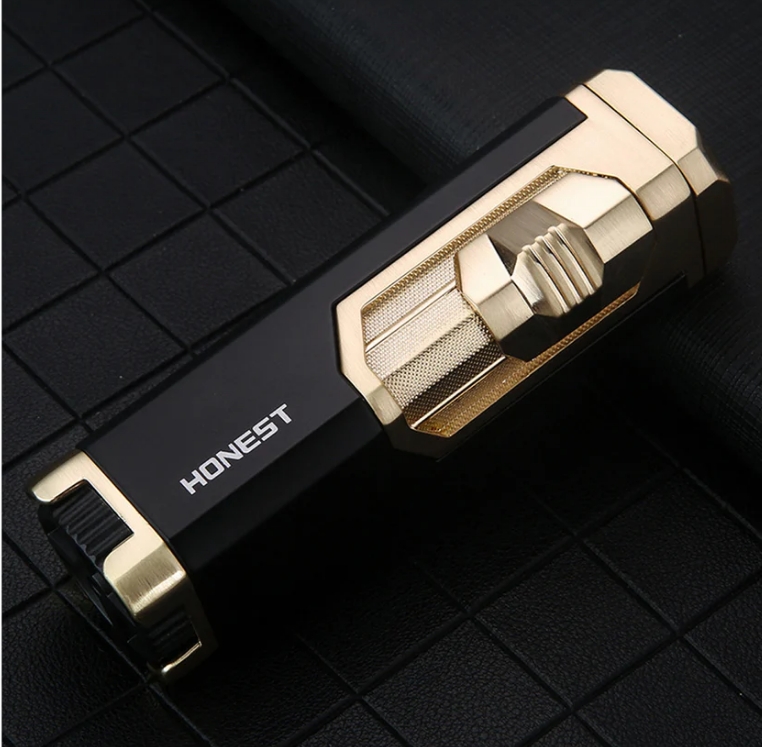
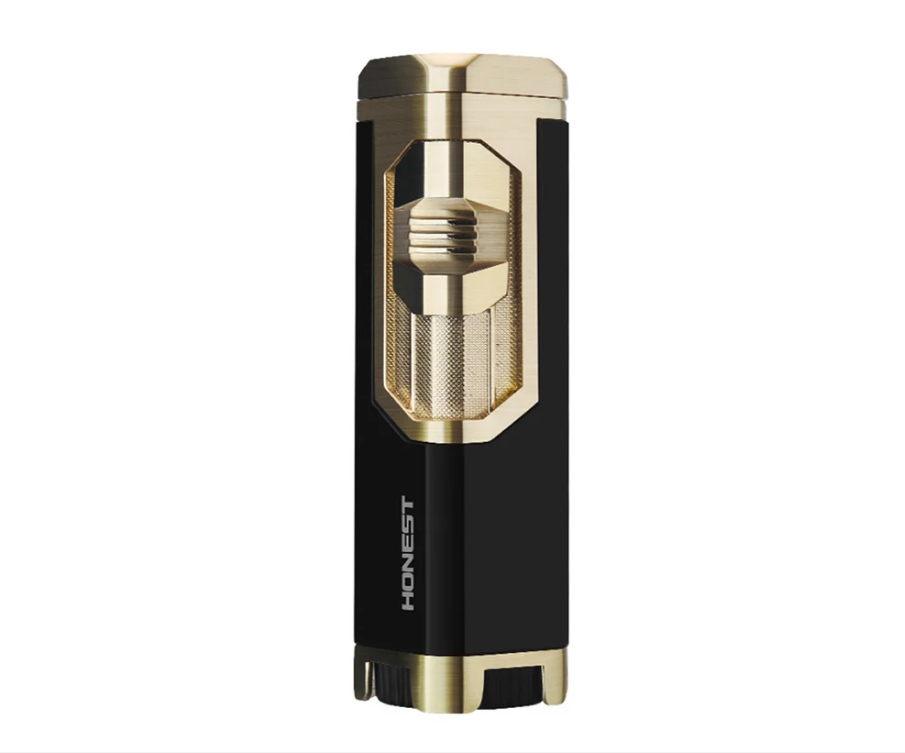
If you want a reliable fire starter for your next camping trip, a refillable windproof lighter is your best bet in 2026. Campers like you need lighters that work in strong winds and wet weather. Recent reviews show that features like windproof flames and refillable fuel make a huge difference in real outdoor conditions.
Key Takeaways
Choose refillable windproof lighters for reliable fire starting in tough weather conditions.
Look for features like windproof flames and easy refueling to enhance your camping experience.
Consider lighters with durable materials and safety features for long-lasting use.
Test your lighter before trips to ensure it works in wind, rain, and cold weather.
Read user reviews to find the best lighters that fit your camping needs and budget.
Why Honest Lighters Stand Out
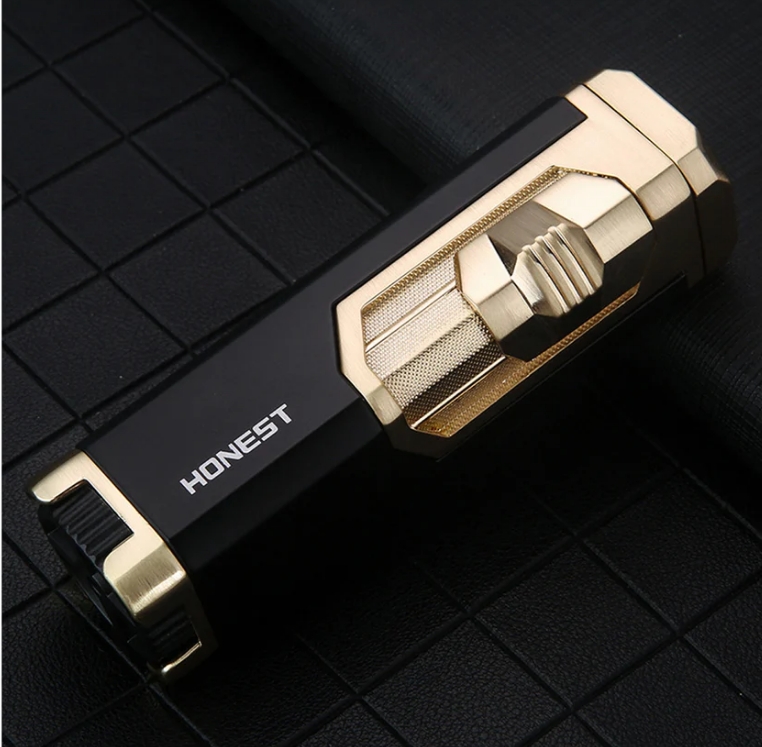
You might wonder what makes Honest lighters better than others.Torch lighters give you a strong flame, so you can light a fire even when the wind picks up. Butane models work well outdoors and come in different sizes for easy packing. Electric arc and plasma lighters don’t need fuel, so you just recharge them with USB. You get safety features like child locks, piezo ignition, and windproof caps. Some models use high-strength nylon or solid metal, so they survive drops and rough use.
Tip: If you want a lighter that lasts, look for one with a removable flint system or heat-resistant body. These features help your lighter stay reliable trip after trip.
You’ll notice that refillable windproof lighters beat regular models in durability and reliability. They don’t need batteries, and most have windproof flames. You can refill them quickly, which saves you time and effort at camp. Whether you pick a jet flame, plasma, or electric arc, you’ll find a lighter that fits your style and needs.
Testing Process
Criteria and Methods
You want to know how we picked the best lighters for camping. We used clear criteria to make sure each refillable windproof lighter could handle real outdoor challenges. Here’s a quick look at what we checked:
Criteria | Description |
|---|---|
Windproof Performance | We used a candle and a hairdryer to see if the flame stayed strong in windy conditions. |
Waterproof Capabilities | We sprayed water and even dunked the lighter to see if it still worked after getting wet. |
Freeze Resistance | We put each lighter in a freezer for two hours to test if it could work in the cold. |
Ease of Use | We tried lighting camp stoves and campfires to see how simple and quick each lighter worked. |
We also checked flame strength and safety. For wind resistance and flame tests, we used methods like the 45° Burning Method and the Horizontal Burning Method. These tests helped us see how well the flame held up and how fast it spread.
Tip: If you want a lighter that works in any weather, look for one that passes both wind and water tests.
Real-World Conditions
You care about how these lighters perform when you’re out camping. We didn’t just test them in a lab. We took them outside and put them through real camping situations:
We placed the lighters in a freezer for an hour to see if they would still spark in freezing weather.
We used a fan to create strong wind and checked if the flame stayed lit.
We tried starting campfires and lighting backpacking stoves, just like you would at your campsite.
In our wind test, plasma arc lighters did the best. Triple torch lighters also worked well, while classic butane lighters were just okay in strong wind. You can trust that each refillable windproof lighter on our list faced tough tests before making the cut.
Performance in Wind and Weather
Wind Resistance
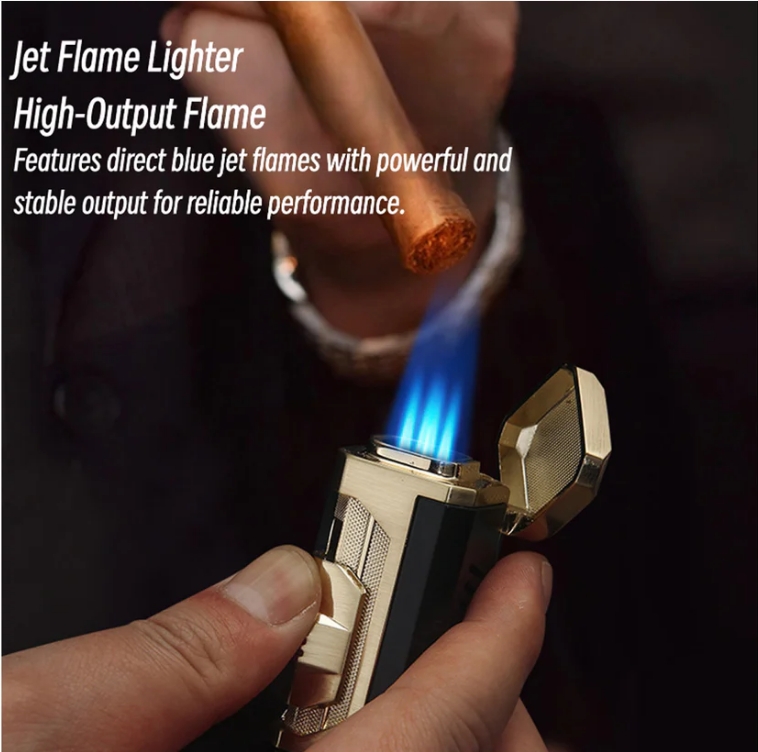
You want a lighter that stands up to strong wind. When you’re out camping, gusts can make it tough to start a fire. We tested each lighter in windy conditions, and the results might surprise you. Plasma arc lighters kept working even when the wind picked up. Butane windproof models also performed well, though some struggled if the wind got too wild. Catalytic lighters handled gusts up to 50 mph, but they took a little longer to get going.
Here’s a quick look at how different types compare:
Lighter Type | Wind Resistance | Notes |
|---|---|---|
Butane Windproof | High | May struggle with vaporization |
Plasma Arc | Reliable | Not fuel-dependent |
Catalytic | Up to 50 mph | Longer startup times |
Tip: If you camp in places with strong wind, plasma arc and catalytic lighters give you the best shot at getting a fire started.
Rain and Cold Weather
Rain and cold can ruin your plans if your lighter fails. You need something that works when the weather turns bad. Plasma arc lighters kept sparking down to -20°C (-4°F), so you don’t have to worry about freezing nights. Butane windproof lighters worked below freezing, but some models had trouble vaporizing fuel in the cold. Catalytic lighters stayed reliable as low as 14°F, though they needed a bit more time to warm up.
When it rained, lighters with waterproof caps stayed dry inside. You can count on these to work after a downpour. Always check that your lighter has a sealed body or cap before heading out.
Durability
You want gear that lasts. A refillable windproof lighter with a tough body can handle drops, bumps, and rough use. Models made with metal or high-strength nylon survived our drop tests. Some lighters even kept working after getting wet or cold. If you pick a lighter with a heat-resistant shell and a removable flint, you’ll get more years out of it.
Note: Before your trip, test your lighter at home. Make sure it works in wind, rain, and cold so you don’t get stuck without fire.
Pros, Cons, and Features
Standout Features
You want a lighter that does more than just spark a flame. The best refillable windproof lighters for camping in 2026 come packed with features that make your life easier at camp. Here’s what you’ll notice:
High-quality materials keep your lighter tough and long-lasting.
The flame stays strong, even when the wind blows hard.
Ergonomic designs fit your hand, so you can use them easily.
Many models let you recharge with USB, so you don’t need to buy fuel all the time.
Some lighters include extras like LED flashlights or safety locks for peace of mind.
Tip: If you want a lighter that feels good in your hand and works every time, look for one with an ergonomic grip and a safety lock.
Common Drawbacks
No gear is perfect. You might run into a few small issues with refillable windproof lighters. Here’s a quick look at what campers often mention:
Drawback | Description |
|---|---|
Higher initial investment | Refillable lighters cost more upfront than disposable ones, though you save money over time. |
Size and weight | These lighters are a bit bigger and heavier than regular lighters, but still fit in your pack. |
Some campers also say that lighting candles or hard-to-reach spots can be tricky. Most refillable lighters don’t have a flexible extension, so you may need to tilt or “dunk” the lighter to reach the wick.
Note: If you need to light lanterns or candles often, you might want to pack a small stick lighter as a backup.
Value for Money
You want to know if refillable windproof lighters are worth the price. Let’s compare them to disposable lighters:
Feature | Refillable Lighters | Disposable Lighters |
|---|---|---|
Upfront Cost | Higher | Lower |
Long-term Savings | Yes | No |
Durability | High | Low |
Flame Performance | Consistent | Variable |
Fuel Efficiency | High | N/A |
You pay more at first, but you save money because you don’t need to buy new lighters all the time. These lighters last longer, work better in tough weather, and give you a steady flame. If you camp often, a refillable windproof lighter gives you great value for your money.
Buying Guide for Campers
Choosing the Right Lighter
Picking the best refillable windproof lighter for camping can feel tricky. You want something that works every time, no matter the weather. Here’s what you should look for:
Fuel Type: Butane is the most popular because it’s easy to find and simple to use.
Ignition Mechanism: Piezoelectric ignition works better than flint in tough conditions.
Reliability: Choose a lighter that stays lit in wind and rain.
Weight: Lighters with windproof and refillable features weigh more, but they last longer.
Durability: Stainless steel or brass lighters stand up to drops and rough use.
Tip: If you want a lighter that lasts for years, pick one made from strong materials and with a reliable ignition.
Fuel Types and Refilling
You’ll see different fuel types when shopping for lighters. Butane, electric arc, and plasma are the main options. Each has its own pros and cons.
Feature | Butane Lighters | Electric Arc Lighters |
|---|---|---|
Fuel Type | Uses flammable butane | Uses rechargeable batteries and generates a plasma arc |
Flame Generation | Creates a flame by igniting fuel | Produces heat with a high-voltage arc |
Environmental Impact | Releases harmful emissions | No fuel emissions, eco-friendly |
Wind Resistance | May struggle in strong winds | Windproof, works in harsh conditions |
Refilling Requirement | Needs regular refilling | Rechargeable, no fuel needed |
If you want less hassle, electric arc lighters recharge with USB and don’t need fuel. Butane lighters need refilling, but they’re easy to use and reliable.
Safety and Maintenance
You want your lighter to stay safe and work well. Follow these steps to keep it in top shape:
Refuel away from fire or flame.
Always close the lid to stop fluid from evaporating.
Don’t overfill—leaks can be dangerous.
Avoid getting lighter fluid on your skin. Wash right away if it happens.
Wipe off extra fluid before lighting.
Close the lid after use to put out the flame.
For longer life, refill with high-quality fuel, replace worn flints, and clean your lighter often. Wipe it with a soft cloth and use compressed air to clear dirt from the ignition area.
Note: A well-maintained lighter keeps you safe and ready for any adventure!
You have great options for refillable windproof lighters in 2026. If you want something tough, go for models with sturdy metal bodies or protective casings. For windy campsites, 4-jet torch lighters work fast and stay lit. Always think about your main use—outdoor adventures, emergencies, or daily carry.
User reviews show which lighters last and work well in bad weather.
Prices help you find a lighter that fits your budget.
Look for easy refilling and strong flames.
Factor | What to Check For |
|---|---|
Fluid Type | Butane or electric, based on your needs |
Reusability | Pick a lighter you can refill often |
Weather Protection | Durable design for wind and rain |
Take a moment to read reviews and compare prices before you buy. The right lighter makes every camping trip safer and easier!
FAQ
How do you refill a butane windproof lighter?
You just hold the lighter upside down. Insert the butane nozzle into the refill valve. Press down for a few seconds. Wait a minute before using it. Always refill away from open flames.
Can you use these lighters in the rain?
Yes, you can use most windproof lighters in light rain. Models with waterproof caps work best. Always dry the lighter before storing it to keep it working well.
How long does a refill last?
A single refill usually lasts for several days of camping. If you use the lighter often, you might need to refill it daily. Plasma and electric arc lighters last longer between charges.
Are refillable windproof lighters safe for kids?
Most models have safety locks or child-proof features. You should always keep lighters out of reach of children. Teach kids about fire safety before letting them use any lighter.