
How to Safely Refill a Butane Lighter in 2026
https://blog.honest-lighter.com/
You can safely refill a refillable butane lighter by following simple steps. Protect yourself by working in a well-ventilated area. Avoid open flames and heat sources. Reduce waste and plastic pollution by choosing a refillable lighter. Common risks include burns, accidental ignition, and inhalation of fumes.
Burns and accidental ignition
Gas buildup and inhalation of fumes
Open flames and heat sources
Key Takeaways
Always work in a well-ventilated area to avoid harmful gas buildup. Keep away from open flames and heat sources.
Use protective gloves and eyewear to shield yourself from butane exposure during the refilling process.
Follow the correct refilling technique by holding both the lighter and butane canister upside down to ensure proper fuel flow.
Prepare Your Lighter and Workspace
https://blog.honest-lighter.com/
Gather Supplies
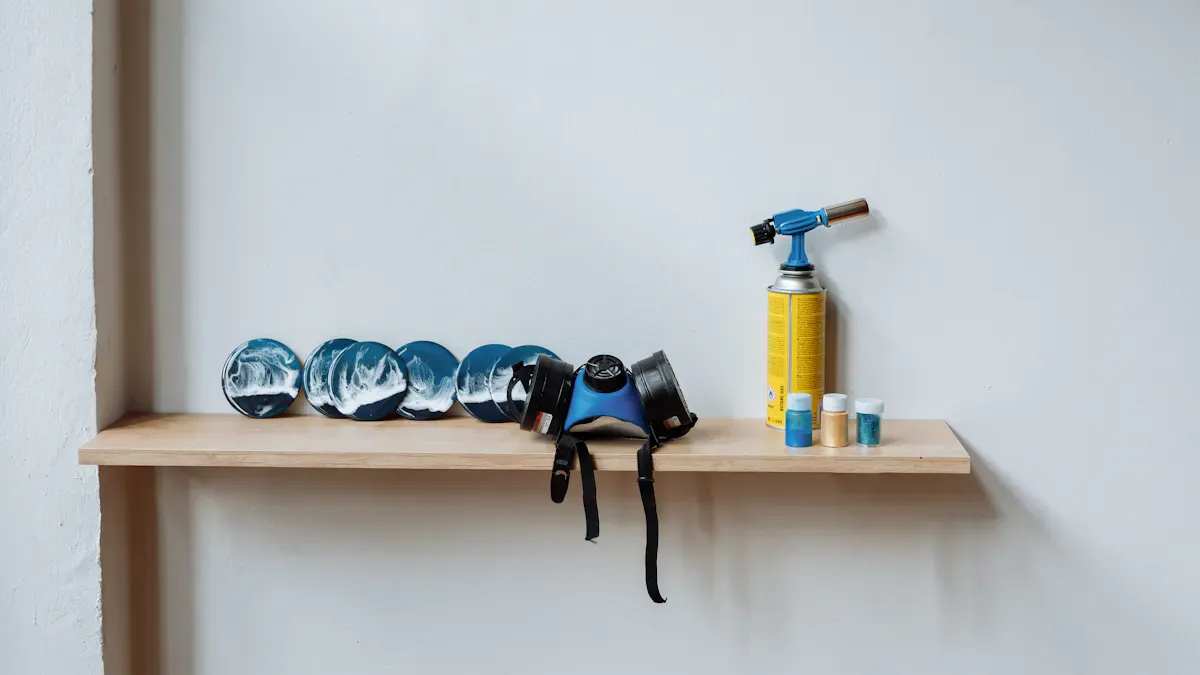
Before you start, collect everything you need for a safe refill. Having the right tools helps you avoid mistakes and keeps the process smooth. Here is what you should have:
Butane canister (make sure it matches your refillable butane lighter)
Refill adapter (if your lighter requires one)
Protective gloves to keep your hands safe from cold butane
Clean workspace to prevent spills and accidents
Precision screwdriver for adjusting the flame after refilling
Tip: Wear protective gloves and eyewear to protect your hands and eyes from fuel exposure.
Safety Checks
Choose a spot with plenty of airflow. Always refill your refillable butane lighter away from open flames or heat sources. A flat surface helps keep your tools steady. Here are some important safety checks:
Keep all flames and heat sources away from your workspace.
Do not overfill the lighter. Stop adding butane when you no longer hear a hissing sound.
Make sure the area is well-ventilated to prevent gas buildup.
Safety Gear | Purpose |
|---|---|
Protective gloves | Protects hands from fuel exposure |
Protective eyewear | Prevents fuel contact with your eyes |
Poor ventilation can cause harmful fumes to build up and increase the risk of fire.
Bleed Air and Residual Gas
You need to bleed your lighter before refilling. This step removes trapped air and old butane, which helps your lighter work better. Follow these steps:
Hold the lighter upside down.
Use a small screwdriver to press the refill valve.
Listen for a hissing sound as air and gas escape.
Remove the screwdriver and gently shake the lighter.
Repeat until you no longer hear hissing.
Let the lighter rest for a moment before you refill it. Bleeding in a well-ventilated area keeps you safe from gas buildup. Skipping this step can cause your refillable butane lighter to perform poorly or even create a fire hazard.
Refill and Test Your Refillable Butane Lighter
https://blog.honest-lighter.com/
Correct Refilling Technique
You can refill your refillable butane lighter safely by following the right steps. Start by holding the lighter upside down. This position helps prevent air from entering the fuel tank. Next, take the butane canister and hold it upside down as well. This ensures that the butane enters the lighter in its liquid state, which is necessary for proper refilling.
Align the nozzle of the butane canister with the refill valve on your lighter.
Press the nozzle firmly into the valve to create a tight seal.
Push down and hold for about 5 seconds. If your lighter needs more fuel, you can repeat this step or extend the press up to 10 seconds.
Watch for the lighter to get cold as it fills. This is normal and shows that the butane is entering the tank.
Tip: If you hear a hissing sound during refilling, the valve may not be sealing properly. This can waste gas and create a safety risk. Stop and check the connection before continuing.
Many people make mistakes during this step. Rushing the refill can cause spills or overfilling. Skipping the step of bleeding out old air can lead to weak flames or poor ignition. Always use high-quality butane for your refillable butane lighter. Using the wrong fuel can cause performance problems.
Wait and Check for Leaks
After you finish refilling, you need to wait before using your lighter. Let your refillable butane lighter sit for at least one minute. This gives the butane time to settle and reach room temperature. If the lighter feels very cold, wait a few more minutes.
Check the fill line if your lighter has one. Make sure you have not overfilled the tank. Overfilling can cause leaks or damage. Look for any signs of leaking gas, such as a hissing sound or the smell of butane.
Sign | Explanation |
|---|---|
Hissing Sound | Gas may be leaking due to overfilling. |
Overfilled tank | Too much butane in the tank. |
Release some fuel | Let out a small amount to reach the right level. |
Safety Warning: Always refill and test your lighter in a well-ventilated area, away from flames or sparks. Do not let butane touch your skin or face.
Test and Troubleshoot
Now you can test your refillable butane lighter. Hold it away from your body and press the ignition button. If it does not light, wait a few more minutes and try again. Sometimes the butane needs more time to warm up.
If your lighter still does not ignite, check for these common issues:
Butane is too cold
Overfilled tank
Clogged nozzle
Low-quality fuel
Dirty or clogged filling point
Worn-out O-rings
Try these troubleshooting steps:
Use a small screwdriver to adjust the flame height or refill valve.
Bleed and refill the lighter if air is trapped.
Allow some fuel to evaporate if you overfilled.
Clean the filling point to remove dirt or debris.
Replace worn or cracked O-rings to prevent leaks.
Use only high-quality butane for best results.
Note: If you notice a gas leak or damaged valve, do not use the lighter. Repair or replace it to stay safe.
Testing your refillable butane lighter after refilling helps you catch problems early. Always follow these steps to keep your lighter working well and to protect yourself from accidents.
Safe Refilling Checklist
Before you refill your butane lighter, review this checklist to keep yourself safe and your lighter working well. Each step helps you avoid common mistakes and reduces the risk of accidents.
Choose high-quality butane gas. Look for refined or triple-refined butane for best performance.
Use a refill adapter if your lighter has a unique valve.
Wear protective gloves and eyewear to shield your hands and eyes from fuel.
Work in a well-ventilated area. Keep away from flames, sparks, and heat sources.
Make sure your lighter is cool before you start refilling.
Check the lighter for any damage or leaks before use.
Use only the fuel type recommended by your lighter’s manufacturer.
Discharge all remaining gas and air from the lighter before refilling.
Align the nozzle of the butane canister with the refill valve. Ensure a tight fit to prevent leaks.
Do not overfill the lighter. Stop when you no longer hear a hissing sound.
Wipe up any spilled fuel right away.
Store butane canisters in a cool, dry place, away from sunlight.
Keep children and pets away from your workspace.
Wait a few minutes after refilling before you ignite the lighter.
Inspect the lighter for leaks after refilling. Listen for hissing or look for the smell of gas.
Refer to your lighter’s manual for specific instructions.
Tip: Never mix butane with other fuels like propane. Mixing fuels can cause dangerous pressure changes and increase the risk of accidents.
By following this checklist, you protect yourself and extend the life of your refillable butane lighter. Safe habits make every refill easier and safer.
You should always follow each step for safe refilling. Use the checklist before you light your butane lighter. Safe habits give you peace of mind and keep your lighter working well.
Consistent technique keeps the valve clean and reliable
Quality butane prevents leaks and helps your flame stay strong
Refilling is easy when you use the right steps.
FAQ
How often should you refill your butane lighter?
You should refill your lighter when the flame weakens or stops. Most lighters need refilling every few weeks with regular use.
What should you do if your lighter leaks after refilling?
Stop using the lighter right away. Move it to a safe area. Release extra gas outdoors. Check for damage before using it again.
Can you use any butane for your refillable lighter?
Use only high-quality, refined butane.
Low-quality fuel can clog the lighter and cause poor performance.